Earth’s fate may be less certain than astronomers once thought
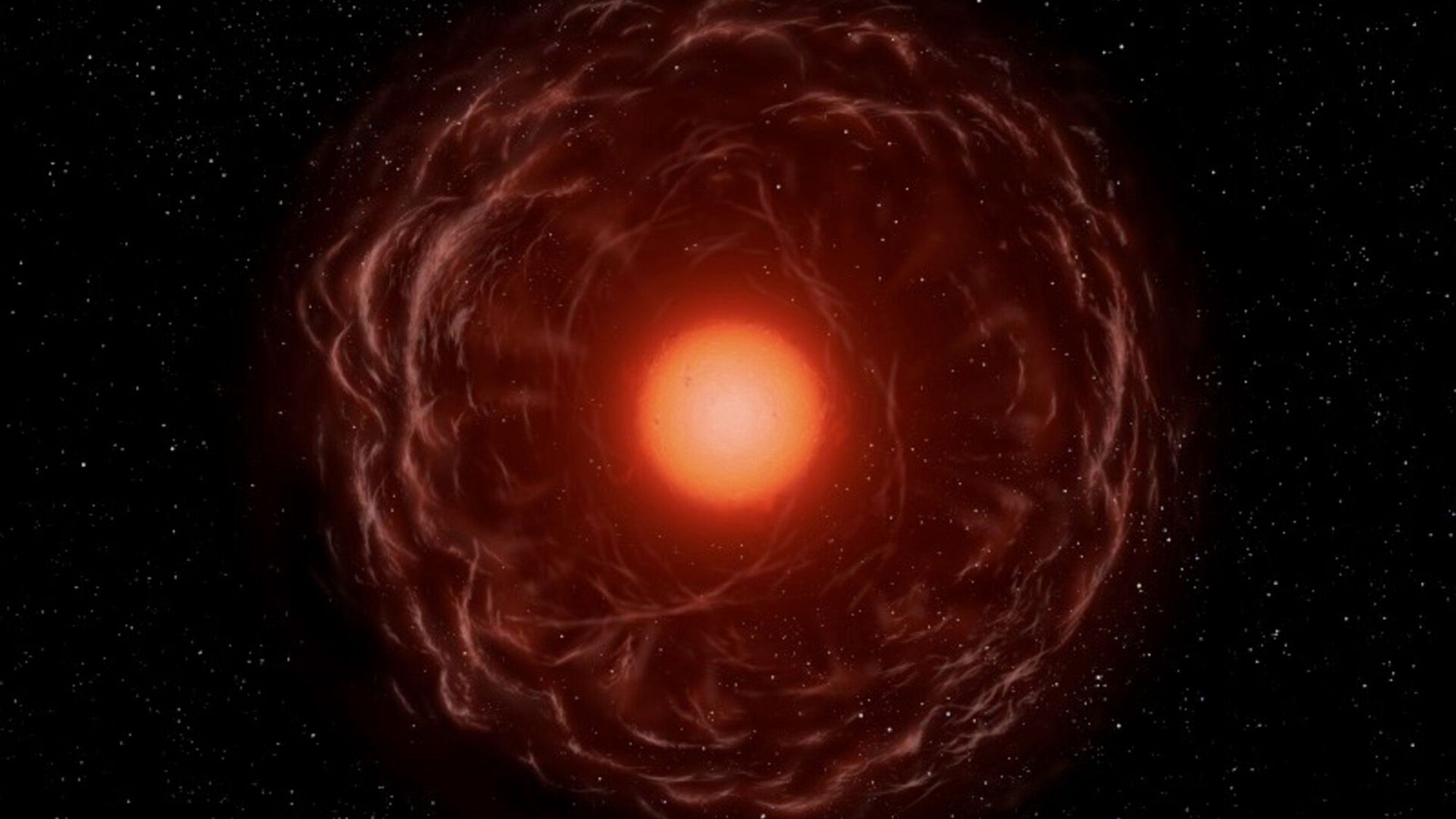
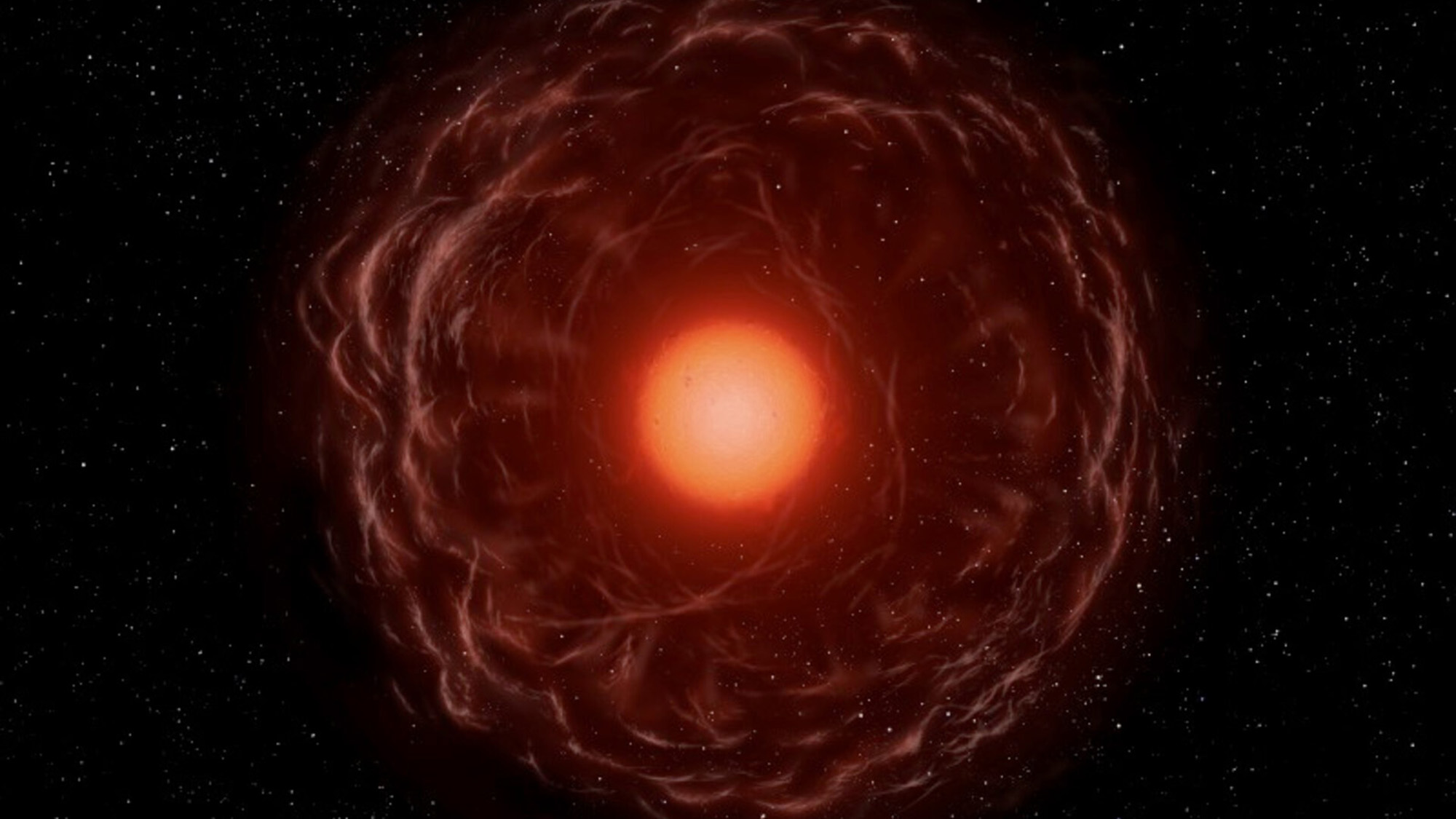
For decades, the standard picture of the solar system’s far future has been bleak for Earth. As the sun exhausts the hydrogen fuel in its core billions of years from now, it is expected to swell into a red giant and then grow even larger before ending its life as a white dwarf. In that scenario, the inner planets face extreme danger, and Earth has often been treated as effectively doomed.
A new study highlighted in a June 28 report from Live Science argues that the outcome may be more finely balanced than that simple picture suggests. Using updated stellar-evolution models and observations of a nearby dying star, researchers say Earth may not be fated to certain destruction. Instead, the planet’s ultimate survival could depend on a narrow competition between two opposing effects as the sun grows and sheds mass late in life.
A cosmic tug of war
The central idea is straightforward, even if the underlying physics is not. As the sun expands into its late-life giant phases, its outer layers will extend far beyond their present size. That expansion increases tidal forces, which can pull Earth inward toward the star. If that inward drag dominates, the planet could spiral closer and eventually be engulfed.
At the same time, the swollen sun is expected to lose a large amount of mass through stellar wind. As the star becomes lighter, its gravitational hold on the planets weakens. That process can push planetary orbits outward, allowing worlds such as Earth to drift farther away.
The new modeling work suggests that these two effects should be understood together rather than in isolation. In the researchers’ framing, Earth’s long-term future turns on whether inward tidal forcing or outward orbital migration wins. Live Science quoted first author Mats Esseldeurs of KU Leuven as saying that the planet’s fate depends on a delicate balance between those effects.

Why the study matters
The result does not mean Earth is safe. It means the old assumption of inevitable engulfment may be less settled than many readers have been led to believe. That distinction matters because the late evolution of sun-like stars is one of the key ingredients in understanding planetary survival across the galaxy.
If small changes in stellar mass loss, tidal interactions, or orbital response can alter the outcome for Earth, then similar uncertainty may apply to many exoplanet systems orbiting stars like the sun. The question is not only sentimental. It is also a test case for how astronomers model the end states of planetary systems.
The report says the team published its findings in a Letter to the Editor in Astronomy & Astrophysics on June 19. The researchers combined modern stellar-evolution calculations with observations of a nearby star in the process of dying. That empirical comparison appears to be one of the reasons the work drew attention: it is not only a theoretical exercise about the distant future, but an attempt to anchor the models against a real example.
The long timeline remains unchanged
Even if Earth ultimately avoids direct engulfment, the broader timeline for the sun remains the same. The star is currently a yellow dwarf expected to live for roughly 10 billion years in total. According to the report, in about 5 billion years it will run out of hydrogen in its core and begin a new phase of evolution in which hydrogen fusion continues in a surrounding shell. That transition causes the star to expand dramatically.
Later, the sun is expected to pass through an even larger asymptotic giant branch phase before casting off its outer layers and ending as a white dwarf. The scale of that expansion is enormous. Live Science describes the star as potentially growing to hundreds of times its current size. The inner solar system, at minimum, would be transformed beyond recognition.
So the new study should not be read as a hopeful reprieve for habitability. Long before the final red giant phases, Earth would face catastrophic heating and environmental collapse. The narrower question here is whether the physical planet itself survives as an object in orbit, not whether it remains livable. On that point, the new work adds uncertainty where earlier shorthand often implied certainty.

A reminder about scientific language
The report uses appropriately cautious wording, and that caution is important. The study “suggests” Earth may escape, and presents that possibility as an alternative outcome rather than a settled conclusion. That is consistent with the way scientists typically talk about long-range stellar modeling, where results depend on assumptions about mass loss, tidal strength, and late-stage dynamics that cannot be tested directly on the sun in real time.
Still, the study appears notable for shifting the public discussion. The familiar claim that the sun will inevitably swallow Earth has long served as a clean summary of solar evolution. Clean summaries are useful, but they can outlast the evidence behind them. The newer work points to a messier picture in which planetary survival is contingent, model-sensitive, and worth revisiting as observations and simulations improve.
What this changes, and what it does not
For science readers, the real significance is less about the emotional image of Earth escaping destruction and more about the mechanics of star-planet interaction. As astronomers refine models for how stars lose mass near the ends of their lives, those improvements can cascade into revised expectations for entire planetary systems. A star that becomes lighter more quickly may release some planets outward. Stronger tidal effects may do the opposite.
That has implications well beyond our own solar system. Many of the exoplanets now being studied orbit stars that will eventually undergo similar transitions. Understanding whether planets are destroyed, displaced, or left orbiting stellar remnants is part of understanding the full life cycle of planetary architecture.
For now, the takeaway is narrow but meaningful: Earth’s ultimate end may not be as predetermined as the popular version of the story suggests. According to the new models described by Live Science, the final outcome billions of years from now could hinge on a close contest between the sun’s swelling reach and its weakening gravitational grip.
This article is based on reporting by Live Science. Read the original article.

Originally published on livescience.com


