Nearly 180 years later, more names return to the record
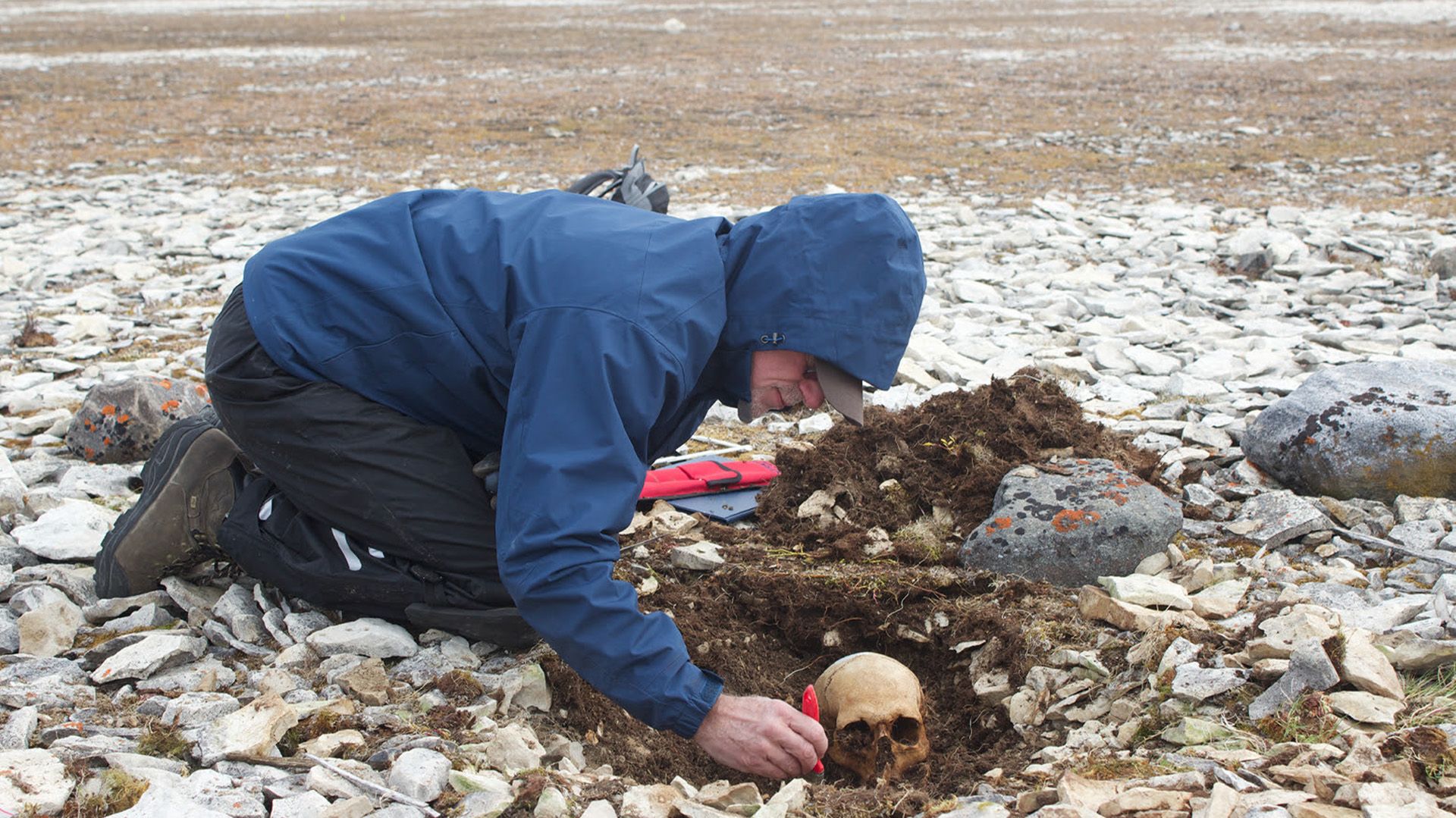
Researchers have identified four more sailors from the doomed Franklin expedition, using genetic analysis to match human remains with living descendants of relatives. The findings add new specificity to a catastrophe that has long occupied a central place in the history of Arctic exploration.
According to reporting by Live Science, three of the identified men were from HMS Erebus and died at Erebus Bay. The fourth was a captain on HMS Terror and is the first person from that ship to be identified through DNA analysis.
The work was described in two newly published studies, one in the
Journal of Archaeological Science: Reports and the other in
Polar Record, as cited in the report. Together, they show how modern genetic methods are changing what can be known about a 19th-century expedition once defined mainly by fragmentary written evidence, scattered remains, and a long history of speculation.
A disaster that still resonates
The Franklin expedition left England in May 1845 under the command of Sir John Franklin. Its goal was to find a Northwest Passage through the Arctic, linking the Atlantic and Pacific oceans. The two ships, HMS Erebus and HMS Terror, became trapped in ice off the Canadian archipelago in late 1846.
Franklin died on June 11, 1847. By April 22, 1848, the surviving 105 crew members abandoned the ships near King William Island and attempted to reach the Canadian mainland on foot while dragging boats on sleds. None survived.
That outline has been known for generations. What has been harder to reconstruct is how the final phase of the expedition unfolded for specific individuals. That is where the new identifications matter. They do not just provide names. They provide placement, association, and evidence about who may have remained together at the end.

What the new identifications reveal
One of the most striking conclusions reported from the Erebus-related study is that none of the identified men from HMS Erebus were alone when they died. Researchers inferred from the locations of the bodies that other survivors were still alive and nearby.
That conclusion adds a human dimension to an expedition often retold in abstract terms. Rather than isolated deaths spread randomly across a vast landscape, the evidence suggests groups of men continued moving or remaining together in their final days. Even small shifts like that matter in historical reconstruction because they clarify behavior under extreme conditions.
The identification of a captain from HMS Terror is also significant because it expands the DNA record beyond one vessel. Franklin scholarship has been transformed in recent decades by archaeology, forensic analysis, and the eventual discovery of the wrecks of both ships. But the new work suggests that personal identification of individual crew members can continue to advance as researchers locate descendants and improve genetic comparison methods.
Why DNA matters in historical archaeology
The use of DNA from living descendants gives this research particular weight. It shows that historical archaeology is no longer limited to material culture and broad demographic interpretation. In cases where remains are preserved and descendant links can be established, investigators can move from anonymous bones to named people.
That is not just a technical achievement. It changes the historical record by making it more precise and more accountable. Expeditions like Franklin’s have often been framed through commanders, ships, and imperial ambition. Genetic identification restores attention to the individuals who experienced the failure directly.
The researchers also expressed hope that more identifications can be made. If that happens, the picture of the expedition’s final movements could sharpen further. Clusters of remains, ship assignments, ranks, and geographic context may together show more clearly how the survivors attempted to reach safety after abandoning the icebound vessels.

An old mystery, still yielding new facts
The Franklin expedition has inspired generations of searches, books, and debate because it sits at the intersection of ambition, environmental extremity, and imperial-era exploration. The broad tragedy is settled: 129 men set out, and all were lost. But the details have remained incomplete, and that incompleteness is one reason the story has endured.
These new identifications do not solve every remaining question. They do not erase the harsh fundamentals of the disaster: cold, starvation, isolation, and a failed bid to escape the Arctic after the ships were trapped. But they do narrow the field of uncertainty.
Almost two centuries after the expedition left England, the story is still changing. Not because legend is growing, but because science is stripping away a little more anonymity. In that sense, the new work is both forensic and historical. It offers descendants more information, and it gives the public a clearer account of how some of the men met their end while trying to find safety in one of the most unforgiving environments on Earth.
This article is based on reporting by Live Science. Read the original article.
Originally published on livescience.com