Ancient Carbon on the Move
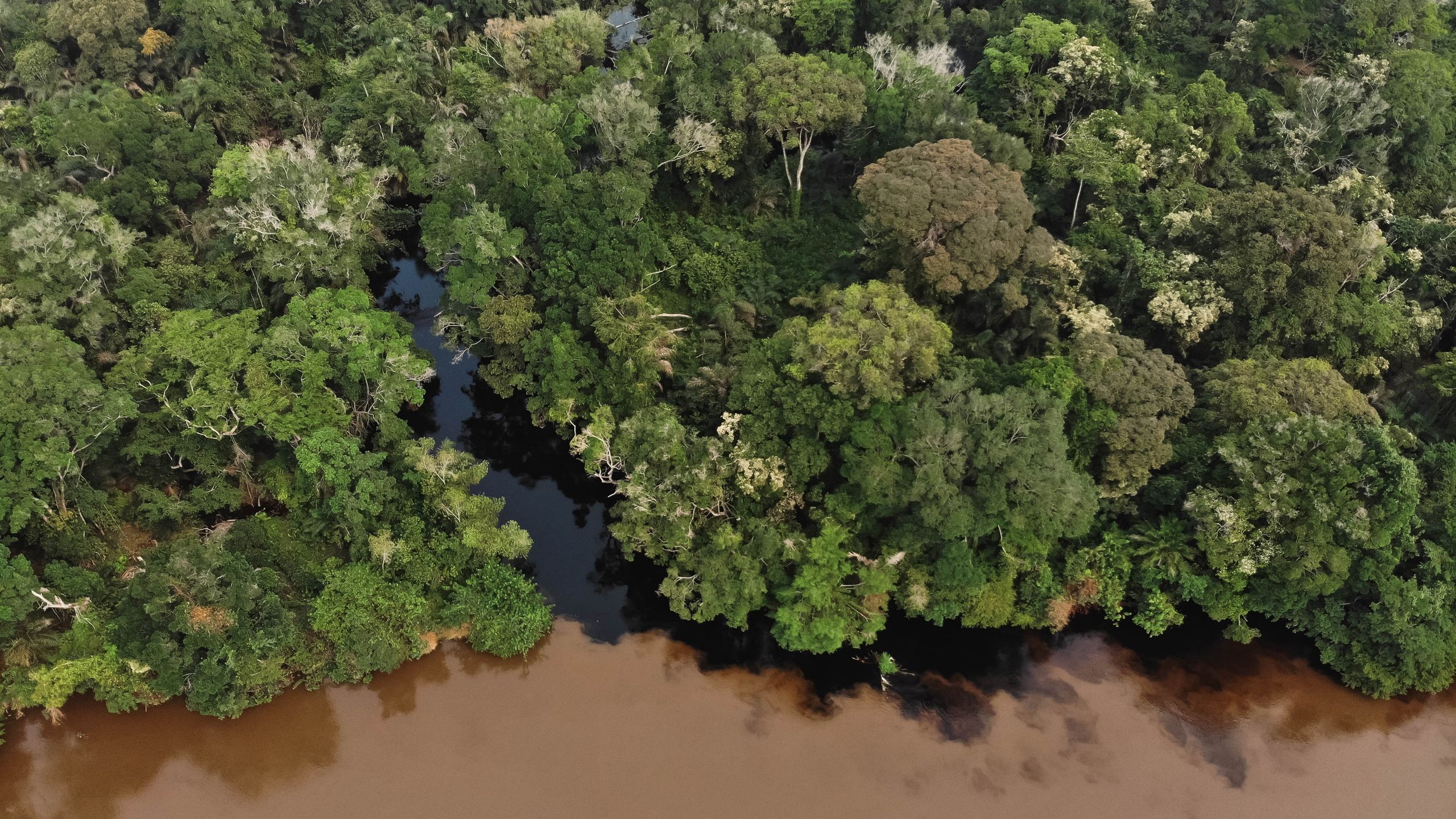
Deep beneath the Congo Basin's vast tropical forests lies one of the planet's most important carbon stores, peatlands that have been accumulating organic material for thousands of years. Now, researchers have discovered that this ancient carbon is escaping. The region's distinctive blackwater lakes and rivers, tinted dark by dissolved organic matter, are releasing carbon that has been locked away for millennia into the atmosphere.
The finding has alarmed climate scientists and suggests that the world's second-largest tropical peatland complex may be destabilizing in ways that were not anticipated by current climate models. If the trend accelerates, it could release enormous quantities of greenhouse gases that would further amplify global warming in a dangerous feedback loop.
The Congo Basin's Hidden Carbon Vault
The Congo Basin peatlands were only fully mapped in 2017, when researchers discovered that the region contained approximately 30 billion metric tons of carbon, equivalent to roughly 20 years of total United States fossil fuel emissions. This made the Congo Basin the single largest tropical peatland complex in the world, surpassing even the extensive peat deposits of Southeast Asia.
Peatlands form when waterlogged conditions prevent dead plant material from fully decomposing. Over centuries and millennia, layers of partially decayed organic matter accumulate, locking carbon out of the atmospheric cycle. These ecosystems function as massive natural carbon sinks, but their stability depends on remaining waterlogged. When peatlands dry out through drainage, drought, or shifting rainfall patterns, the stored carbon becomes accessible to microorganisms that convert it to carbon dioxide and methane.

Blackwater Rivers Tell the Story
The researchers focused on the basin's blackwater rivers and lakes, which get their dark coloring from high concentrations of dissolved organic carbon leached from surrounding soils and peatlands. By analyzing the radiocarbon age of the dissolved carbon in these waterways, the team made a startling discovery: much of the carbon was thousands of years old.
This means the carbon entering the water system is not coming from recently fallen leaves or surface vegetation. Instead, it is being mobilized from deep within the peat deposits, material that has been safely stored underground since long before the industrial revolution. The presence of this ancient carbon in surface waterways indicates that the peatlands' storage function is being compromised at depth, not just at the surface.
What Is Driving the Release?
The precise mechanisms behind the carbon mobilization remain unclear, and identifying them is now a research priority. Several factors could be contributing, either individually or in combination.
Climate change is altering rainfall patterns across central Africa, with some regions experiencing longer dry seasons that could lower water tables within the peatlands. Even temporary drawdowns can expose previously waterlogged peat to oxygen, triggering decomposition processes that continue even after water levels recover.
Rising temperatures also accelerate microbial activity in the peat, increasing decomposition rates even in waterlogged conditions. Research from boreal peatlands in Scandinavia and Canada has shown that warming of just one or two degrees Celsius can significantly increase carbon emissions from peat soils, and similar dynamics may be at play in the tropics.
Human activities, including logging, agriculture, and infrastructure development in the Congo Basin, could also be disrupting the hydrology of the peatland system. Roads and cleared areas can alter drainage patterns, channeling water away from peatlands and reducing the waterlogging that keeps carbon safely stored.

A Potential Climate Tipping Point
The implications extend far beyond the Congo Basin. Tropical peatlands worldwide store an estimated 100 billion metric tons of carbon. If these systems begin releasing their stored carbon at scale, the emissions could overwhelm efforts to reduce greenhouse gas output from fossil fuels and industrial sources.
Climate models have generally treated tropical peatlands as stable carbon stores, meaning their potential contribution to future warming is largely unaccounted for in projections used by policymakers. If the Congo Basin findings indicate a broader trend affecting tropical peatlands globally, climate projections may need significant revision.
The situation draws uncomfortable parallels with Arctic permafrost, another massive carbon store that is increasingly destabilizing as global temperatures rise. Like permafrost thaw, peatland carbon release could create a positive feedback loop in which warming releases carbon, which causes more warming, which releases more carbon, a cycle that would be essentially impossible to reverse once fully underway.
Conservation as Climate Strategy
The findings underscore the critical importance of protecting the Congo Basin's peatlands from further disturbance. Conservation efforts have historically focused on the basin's biodiversity and its role as a habitat for endangered species like forest elephants and bonobos. The carbon dimension adds urgent climate rationale to these efforts.
International initiatives to protect tropical forests have generally focused on preventing deforestation rather than preserving peatland hydrology. The new research suggests that protecting the water systems that keep peatlands saturated may be as important as preventing tree loss, and that conservation strategies need to account for both above-ground and below-ground carbon stores. Researchers are calling for expanded monitoring networks across the Congo Basin to track changes in peatland hydrology and carbon fluxes before they become irreversible.
This article is based on reporting by Live Science. Read the original article.

Originally published on livescience.com