A disaster years in the making
On April 26, 1986, operators at the Chernobyl nuclear power plant in what is now Ukraine were running a test on Reactor 4. The goal was narrow and technical: to understand what would happen to the reactor’s systems if outside power was lost. Instead, the exercise spiraled into a catastrophe that became one of the defining technological failures of the modern era.
The significance of Chernobyl lies not only in the explosion and partial meltdown itself, but in what it revealed. The event exposed how fragile high-risk systems can become when design weaknesses, procedural failures, and institutional secrecy stack on top of each other. The accident also demonstrated that nuclear disasters do not stop at national borders. Radioactive contamination spread well beyond the plant, while the full danger remained obscured from much of the world for days and weeks.
What happened that night
According to the source material, plant operators were carrying out a test related to how the reactor would behave during a loss of power. That kind of systems check might seem routine, but nuclear reactors operate under narrow tolerances. Small deviations in cooling, power levels, or control operations can rapidly escalate when the reactor design is unstable or operators are working under poor conditions.
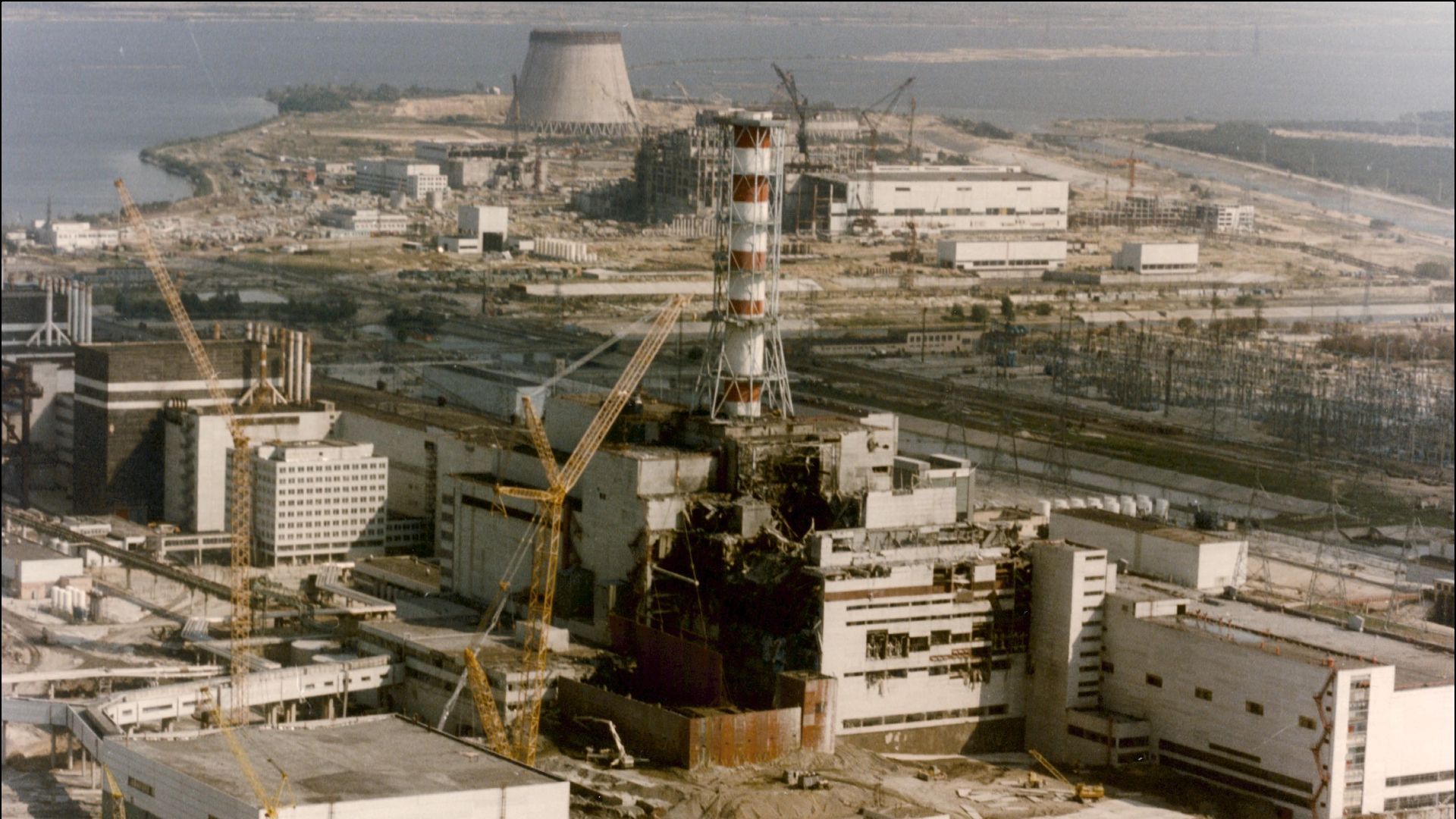
At Chernobyl, the test sequence ended in disaster. Reactor 4 suffered a partial meltdown, and the plant complex was badly damaged. The famous images of the site in the days that followed showed the scale of the destruction, but they did not immediately communicate how close the incident came to a much broader calamity. The Live Science account emphasizes that the outside world did not grasp for weeks just how near the accident came to what it describes as nuclear Armageddon.
That delayed recognition matters. It points to one of the central lessons of Chernobyl: the most dangerous phase of a technological disaster is often not only the event itself, but the gap between reality and public knowledge. In that window, authorities make decisions with incomplete information, residents may remain exposed, and neighboring countries are left to infer what is happening from indirect signals.

Why Chernobyl became a global turning point
Chernobyl was not simply an industrial accident. It became a political and scientific turning point because it forced a reckoning with the limits of state control over dangerous information. A reactor failure can begin inside one plant, but radioactive releases, health fears, economic damage, and diplomatic fallout expand outward quickly. Once contamination spreads, the crisis belongs to the region and, in practical terms, to the world.
The disaster also changed the way nuclear safety is discussed in public. Before Chernobyl, nuclear power was often framed in terms of engineering confidence and centralized control. After Chernobyl, discussions increasingly centered on worst-case planning, transparency, reactor design vulnerabilities, and the consequences of operator error under pressure. Even where national nuclear programs continued, the burden of proof changed. Safety assurances had to be backed by procedures, oversight, and the ability to communicate openly when something went wrong.
That shift still echoes today in energy debates. Nuclear power remains attractive to many governments because it can provide large amounts of low-carbon electricity. But anniversaries like Chernobyl’s are reminders that the case for nuclear energy is inseparable from the case for safety culture. A technically advanced system is not enough if institutions are brittle, if bad information flows upward, or if warning signs are minimized during a live event.
The enduring lessons
Four decades later, Chernobyl remains relevant because the underlying pattern is not unique to nuclear technology. Complex systems fail when organizations mistake procedure for resilience. They fail when leaders assume that rare events are too unlikely to plan for. They fail when transparency is treated as a liability instead of part of safety itself.
The core lesson is straightforward: high-consequence technologies require more than expertise. They require humility, redundant safeguards, and a willingness to surface uncomfortable truths early. Chernobyl showed what can happen when those disciplines break down at the same time.
The anniversary is therefore more than historical remembrance. It is a continuing warning for energy systems, industrial policy, and national emergency planning. The meltdown at Reactor 4 began as a local operational test. It ended as a global cautionary tale about how a single night of misjudgment can reshape public trust for generations.
Why the story still matters
- It illustrates how technical failures and governance failures can reinforce each other.
- It shows the risks created when the public learns about a disaster only after the danger has spread.
- It remains central to modern debates over energy security, reactor safety, and crisis transparency.
This article is based on reporting by Live Science. Read the original article.

Originally published on livescience.com