New Fossils Expand a Grim Picture of Early Human Behavior
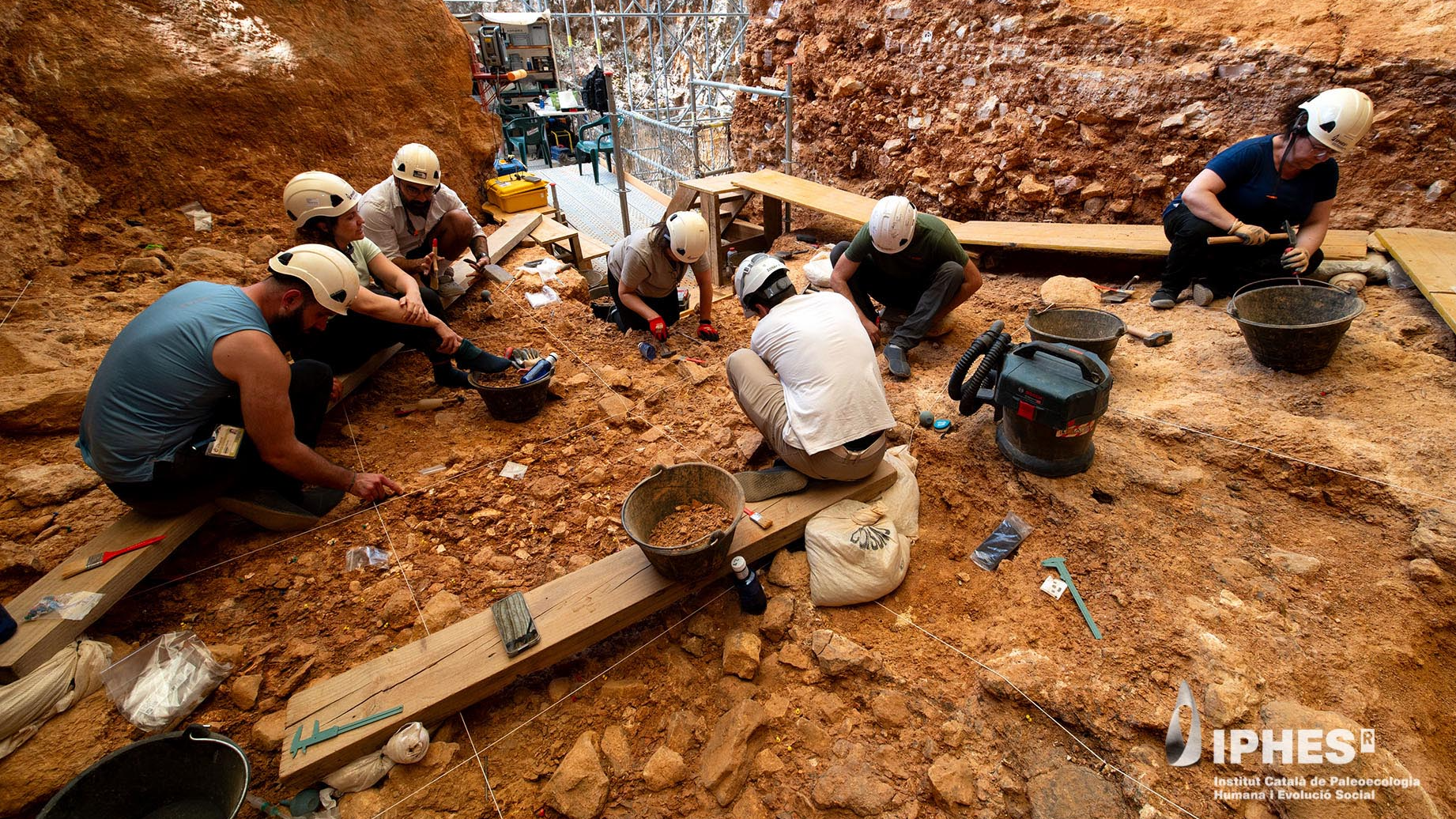
Freshly excavated fossils from northern Spain are sharpening one of the most unsettling chapters in human prehistory. Researchers working at Gran Dolina, part of the Sierra de Atapuerca archaeological complex, have identified cut marks on the bones of Homo antecessor, an extinct human relative that lived in Europe between roughly 1.2 million and 770,000 years ago. The new finds suggest that cannibalism at the site was not limited mainly to children, as earlier evidence had implied, but also involved adults.
The discovery matters because Gran Dolina already occupies a singular place in the study of early humans. Over decades, the cave has yielded some of the oldest known evidence that a human relative butchered and consumed members of its own species or closely related group for nutritional reasons. What changes with the newly described remains is the age profile of the victims. Instead of reinforcing the idea that the practice was largely directed at vulnerable juveniles, the latest material points to a broader pattern that included grown individuals as well.
What the Team Found
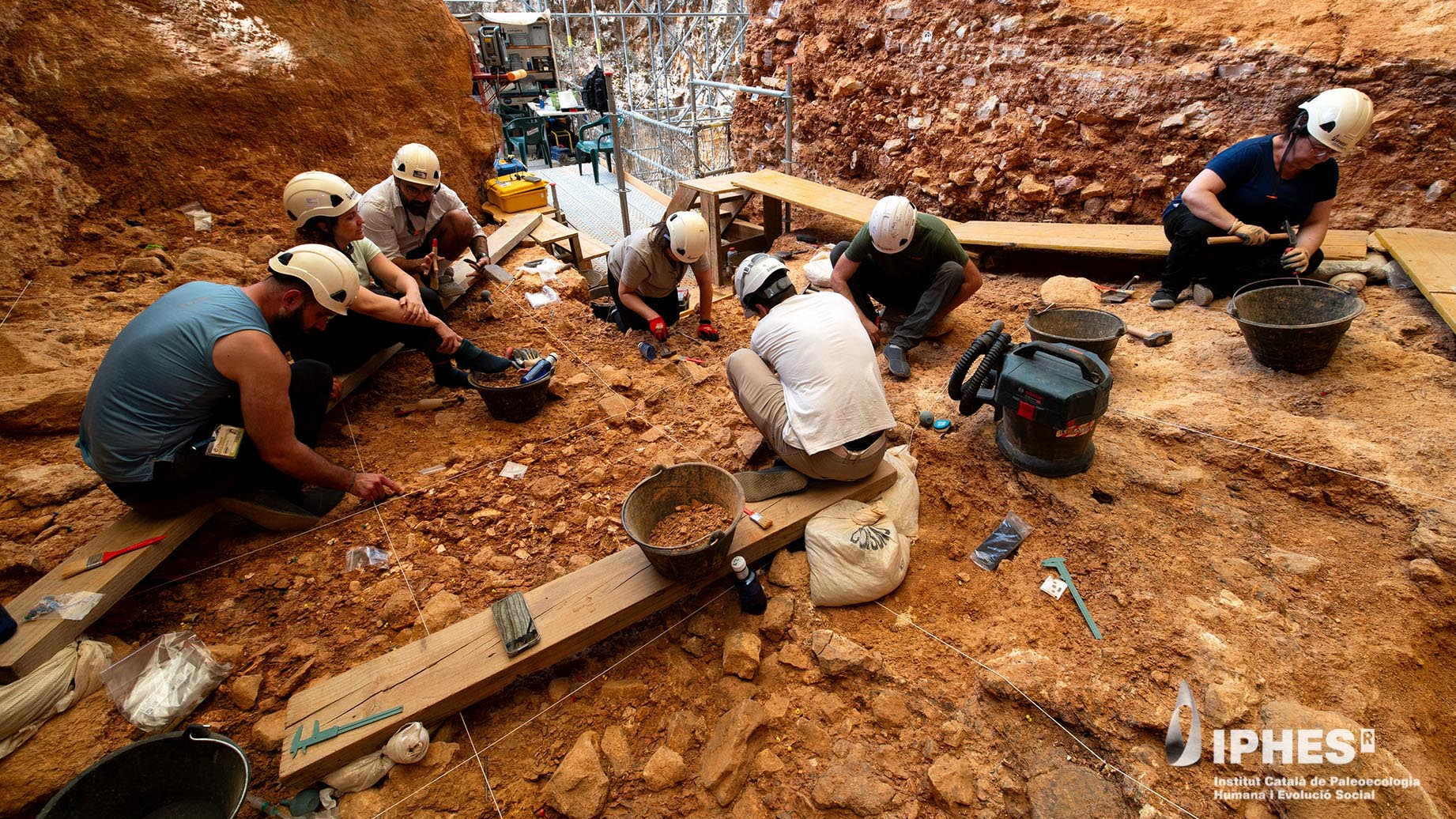
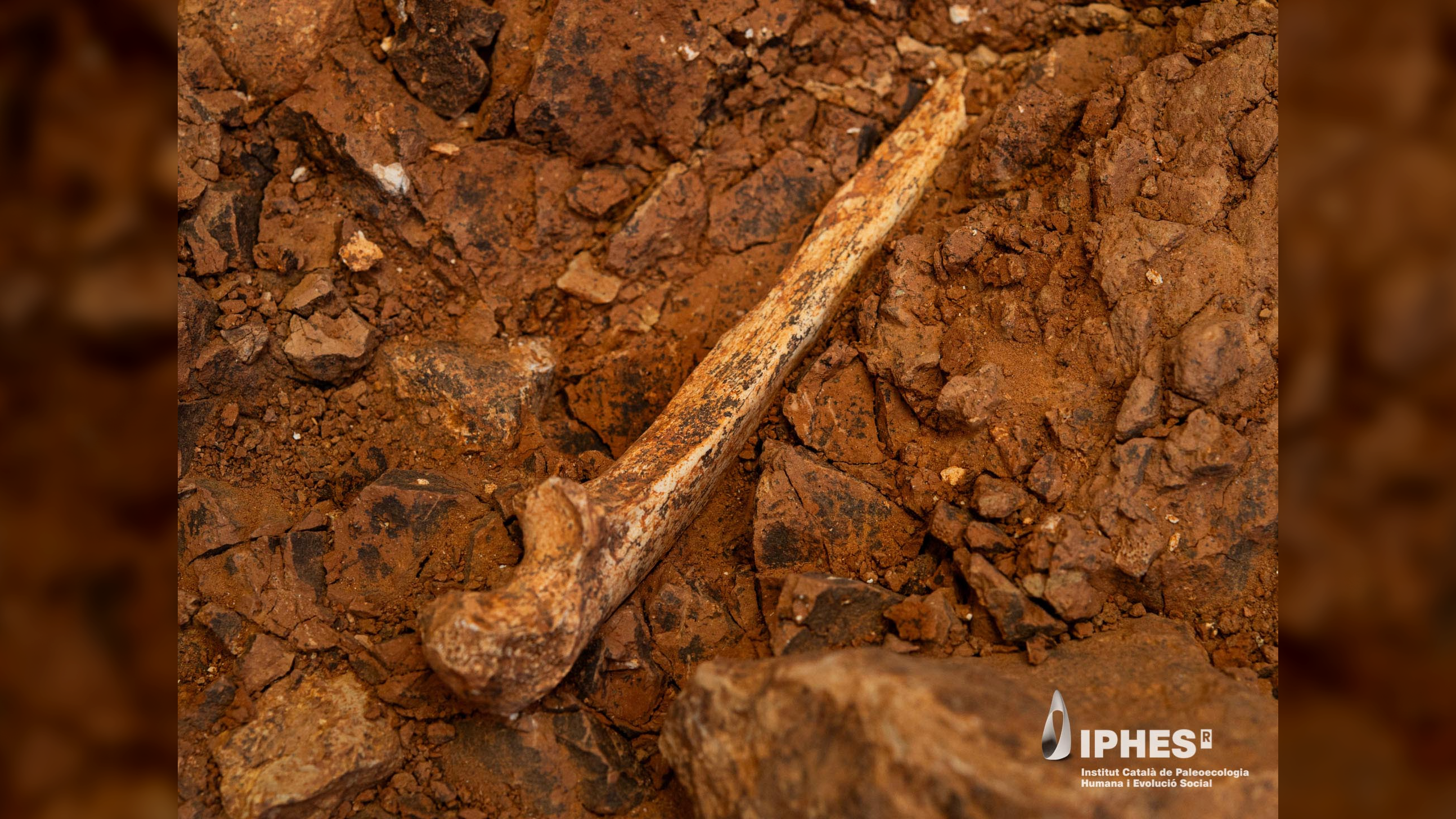
According to the source material, the latest excavation recovered roughly two dozen bones and teeth from several Homo antecessor individuals. The remains include fragments from the skull, spine, arm, leg, and three teeth. Several of those pieces bear cut marks made by stone tools, a detail that researchers interpret as evidence of butchery.
The site itself is not new to this kind of evidence. Gran Dolina has long been central to debates over whether very early humans practiced cannibalism, under what circumstances, and for what reasons. Previous work at the cave had already established the presence of cut-marked bones. A 2010 study, as cited in the source, noted that much of the evidence then known came from infants and juveniles. That had encouraged an interpretation that younger individuals may have been targeted because they were easier to capture and kill, perhaps during conflict between rival groups.
The new fossils complicate that picture. Palmira Saladié, a biological anthropologist at the Catalan Institute of Human Paleoecology and Social Evolution who coordinated the work, said the presence of additional adult remains with cut marks demonstrates that the cannibalism was not restricted to younger individuals. That does not by itself reveal motive, but it does widen the behavioral pattern under discussion.
Why Adults Change the Interpretation
Evidence involving adults matters because it weakens a narrower explanation based mainly on opportunistic predation on the easiest victims. If only children and adolescents were represented, one could more readily imagine highly selective violence against the least defended members of another group. Adult remains do not eliminate that possibility, but they suggest a broader social or subsistence behavior rather than a pattern limited to the vulnerable.
That distinction is important in paleoanthropology, where small sample sizes can strongly shape big interpretations. A few bones with tool marks do not deliver a full narrative of a prehistoric event. Researchers must infer behavior from fragmentary traces: where cuts appear, how bones were broken, which body parts are present, and whether the treatment resembles the processing of hunted animals found in the same layers. In that context, every additional individual can materially reshape the argument.
The Gran Dolina material has long been persuasive because the marks on the bones appear consistent with defleshing and disarticulation using stone tools. Those actions overlap with the treatment of butchered animal carcasses. The newly excavated adult material extends that pattern rather than creating it from scratch. The main development is therefore cumulative. It strengthens the case that Homo antecessor engaged in cannibalism in a more expansive way than once thought.
An Early Human Relative Under a Harsh Light
Homo antecessor remains a significant species in discussions of early European human evolution. It is now extinct, and its exact place in the human family tree has been debated, but it is generally understood as a close relative of later humans. Discoveries from Atapuerca have made it one of the best known early hominin populations in Europe.
That makes the cannibalism evidence especially resonant. These are not traces from a distant, ambiguous primate lineage with little connection to later humans. They come from a species studied precisely because it may illuminate how early members of the human family spread, adapted, and behaved in Europe. The findings therefore contribute not only to the history of violence or subsistence, but also to broader questions about what kinds of social and survival strategies existed deep in the human past.
Researchers still do not know exactly why cannibalism occurred at Gran Dolina. Nutritional need is one possibility, and the source notes that Homo antecessor is regarded as the oldest known human relative to consume its own kind for nutritional reasons. But nutritional behavior and social conflict are not mutually exclusive explanations. Competition between groups, territorial stress, opportunistic violence, and food processing could all overlap. The archaeological record can narrow those possibilities, but it rarely resolves them completely.
Why the Site Still Matters
Gran Dolina continues to be one of the most informative windows into early human life in Europe because it preserves not just isolated bones, but a recurring record of occupation, activity, and bodily treatment. Each excavation season adds pieces to a much larger mosaic. In this case, the new remains do not overturn the long-standing interpretation that cannibalism occurred. Instead, they sharpen it, showing that the practice extended across a wider range of individuals.
That kind of refinement is how paleoanthropology often advances. Major headlines tend to focus on singular revelations, but the field is equally driven by incremental additions that change the statistical and behavioral picture. Here, a few dozen bones and teeth are enough to alter an important assumption: the victims were not chiefly the young.
The result is a darker but clearer portrait of Homo antecessor at Gran Dolina. Around 850,000 years ago, early humans or close relatives at this cave were not merely processing children from rival groups, if that was ever the full story. Adults were also among the dead, and at least some of their bones carry the same evidence of tool-assisted butchery.
For researchers, that expands the scope of the question rather than closing it. Cannibalism at Gran Dolina now appears less like a narrowly targeted behavior and more like a recurring practice whose causes remain unresolved. Future excavations may reveal whether it was driven primarily by subsistence pressure, intergroup aggression, or some combination of both. For now, the new fossils make one point difficult to avoid: the social world of early humans in Europe could be violent, pragmatic, and far more complex than earlier samples suggested.
What the New Evidence Adds
- The new excavation recovered about two dozen bones and teeth from several Homo antecessor individuals.
- Some of the remains, including adult bones, show cut marks made by stone tools.
- Earlier evidence had emphasized infants and juveniles, but the new material broadens the victim profile.
- The findings strengthen the case that cannibalism at Gran Dolina was a recurring behavior whose motive is still uncertain.
This article is based on reporting by Live Science. Read the original article.
Originally published on livescience.com