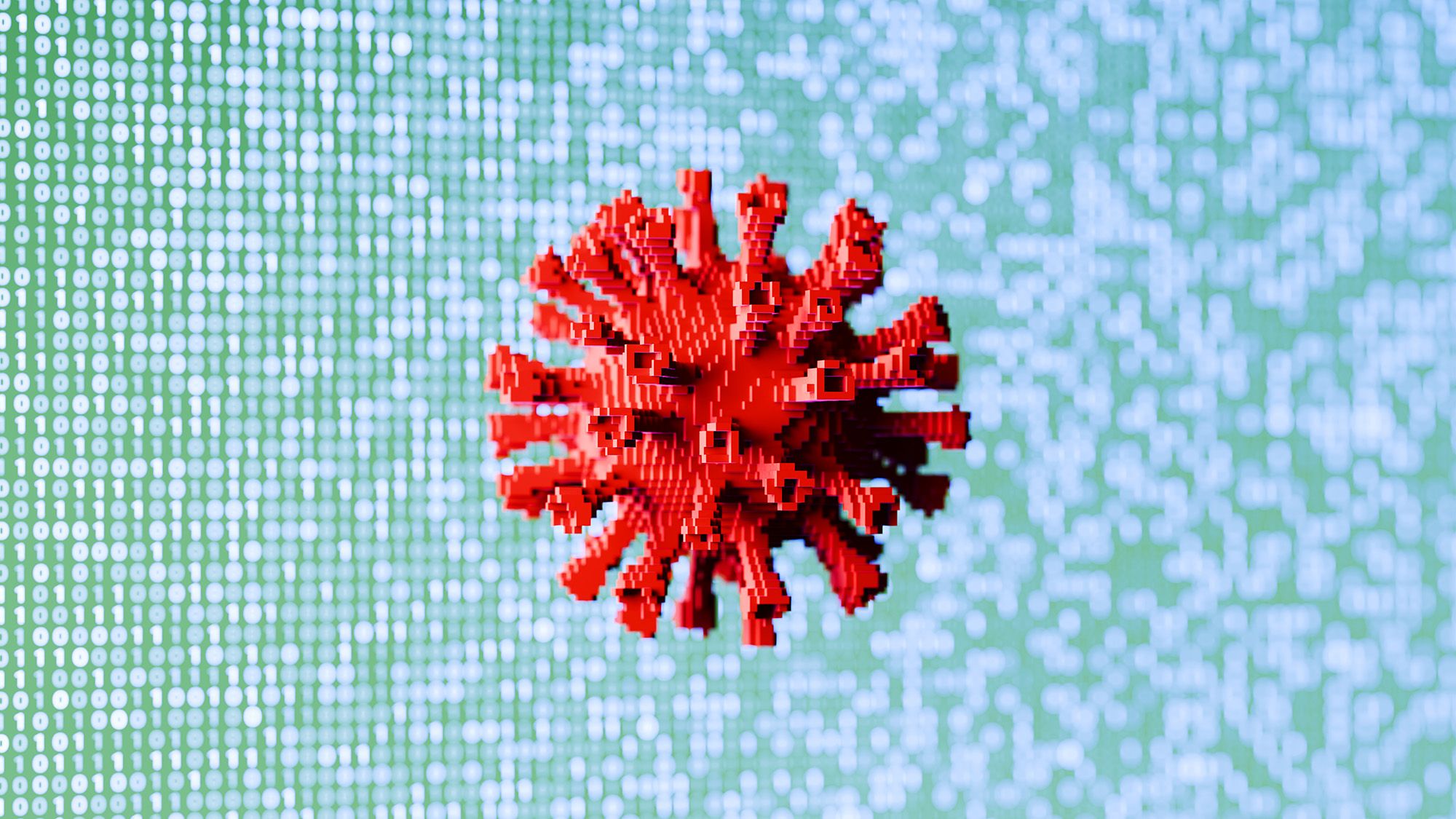
A traceable signal for AI-designed proteins
Artificial intelligence is becoming a powerful instrument for protein design: it can help researchers create proteins not previously found in nature, opening routes to new medicines and other useful biological tools. That same capability also raises a harder question for the field: how can a laboratory, database curator or safety reviewer tell where a designed protein came from and whether it deserves additional scrutiny?
Researchers at Google DeepMind have developed a technique intended to address part of that problem by placing a watermark in AI-generated proteins. The mark is designed to be invisible in the sense that it is encoded in the protein’s structure rather than presented as a conventional label. The goal is to make provenance more readily traceable while preserving the protein’s function.
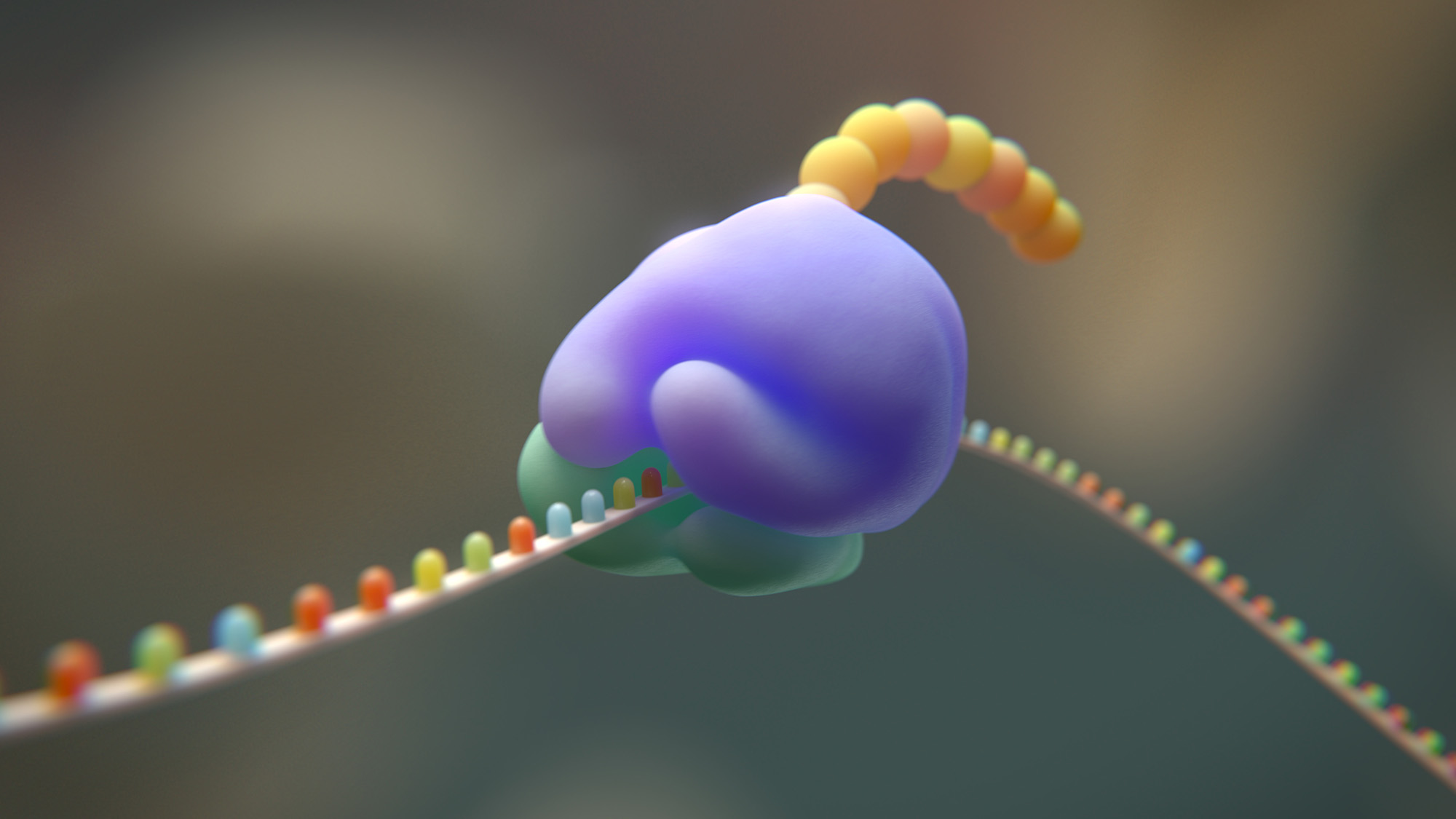
The proposal sits at the intersection of a fast-moving technical field and a persistent biosecurity concern. Proteins are built from amino acids, and the way a protein folds into a three-dimensional shape determines what it can do. AI systems can now assist with both understanding those structures and designing new sequences. That creates opportunities for beneficial research, but it also means systems capable of producing novel designs may be relevant to attempts to create harmful biological materials.
Why provenance matters
A watermark could give downstream users a practical signal that a protein was engineered with AI. Roy Sleator, a biology professor at Munster Technological University in Ireland who was not involved in the work, said such a system could help trace a design’s origin, flag engineered proteins for extra biosecurity checks and reduce misleading claims about how a protein was made.
That could be useful in several places. Database curators may want to distinguish artificial designs from naturally occurring sequences so that engineered material does not create confusion in standard reference collections. Organizations assessing a protein design may want a prompt for further review. And researchers working collaboratively could have a more durable way to indicate that a candidate originated from a particular design process.
The underlying idea is not to stop scientific work. Instead, it is to add a layer of accountability to a workflow that is increasingly able to generate new biological designs. A provenance signal could make it easier to ask the right questions before a design is shared, synthesized or incorporated into later research.

A technical advance with clear limits
The reported technique is not a complete safeguard. Experts cautioned that, in its current form, the same kinds of AI technologies used to add watermarks can also remove them. That limitation is central: a marking system is most valuable when the mark remains reliable even when someone has an incentive to evade it.
As a result, the work should be understood as a traceability tool rather than a guarantee that dangerous designs can be identified or blocked. A watermark may improve the handling of cooperative, routine or regulated research, while offering less protection where a user deliberately tries to alter or conceal a design. The distinction matters in biosecurity, where deterrence, detection and accountability do not necessarily solve the problem of determined misuse on their own.
It also means that the performance of the approach will depend on how it is used. A visible process for checking watermarks, clear rules for what follows when one is detected, and appropriate safeguards around high-risk work would determine whether the technical signal becomes operationally useful. Without those pieces, a watermark may be informative but have little effect on real-world decisions.
Protein AI has changed the context
The rapid development of protein AI explains why such proposals are attracting attention. AlphaFold, unveiled in 2020, showed how machine learning could predict a protein’s three-dimensional structure from its amino-acid sequence. Protein folding is often compared with origami because the final shape is so important to a protein’s function. The technology helped establish AI as a major tool for structural biology and protein engineering.
That advance has broadened the conversation from predicting existing proteins to creating new ones. The promise is substantial: designed proteins could support scientific and medical applications. But novel designs also complicate questions of attribution, database quality and safety review. A method that keeps a design identifiable after it is made could help institutions manage some of those complications.
Still, the technical challenge of making watermarks robust remains inseparable from the policy challenge of deciding what to do with the information they reveal. The new method offers a way to encode provenance without, according to the researchers’ aim, sacrificing function. Its real test will be whether the mark can remain meaningful in a world where design systems are widespread and users may attempt to bypass the guardrails.

What comes next
For now, AI protein watermarks appear best viewed as one component of a broader safety approach. They could aid curation and provide an early flag for review, while their known vulnerability to removal argues against treating them as a standalone defense. The work highlights a practical direction for responsible protein design: build traceability into the outputs, then pair it with processes capable of acting on that traceability.
As AI expands the range of proteins researchers can create, the ability to distinguish, track and appropriately assess those designs will become increasingly important. Watermarking does not eliminate the dual-use challenge. It does, however, offer a concrete attempt to make the origins of AI-designed proteins less opaque.
This article is based on reporting by Live Science. Read the original article.
Originally published on livescience.com