Fasting and the microbiome may strengthen intestinal recovery
A 24-hour fast may prime the intestine to recover from radiation damage, according to new preclinical research from the University of Texas MD Anderson Cancer Center. The work identifies a beneficial gut bacterium as an important part of the repair response and could inform future strategies to protect healthy tissue during cancer treatment.
Radiation therapy is widely used against cancers in the abdomen, including pancreatic, colorectal and gynecologic cancers. It can destroy cancer cells, but nearby healthy tissue is also exposed. The small intestine is particularly vulnerable because its lining is sensitive to radiation injury. Damage to that protective layer can contribute to nausea, diarrhea and infection; in severe cases, intestinal injury can lead to life-threatening complications.
The study, published in the Proceedings of the National Academy of Sciences, does not establish fasting as a treatment for patients. Its findings are preclinical. But it suggests that a short period without food can alter the intestinal environment in a way that supports repair after injury, and that the microbiome is a crucial participant in that effect.
A repair response after 24 hours
Researchers found that fasting for 24 hours increased a beneficial gut bacterium associated with intestinal regeneration after radiation damage. The work links fasting and microbes to the activation of the body’s natural tissue-repair mechanisms.
Helen Piwnica-Worms, a professor of Experimental Radiation Oncology and a co-leader of the study, described the effect as preparing intestinal cells to respond more quickly and effectively after injury. In that framing, fasting does not simply change metabolism for a day; it appears to create conditions that help coordinate a rapid recovery program when damage occurs.
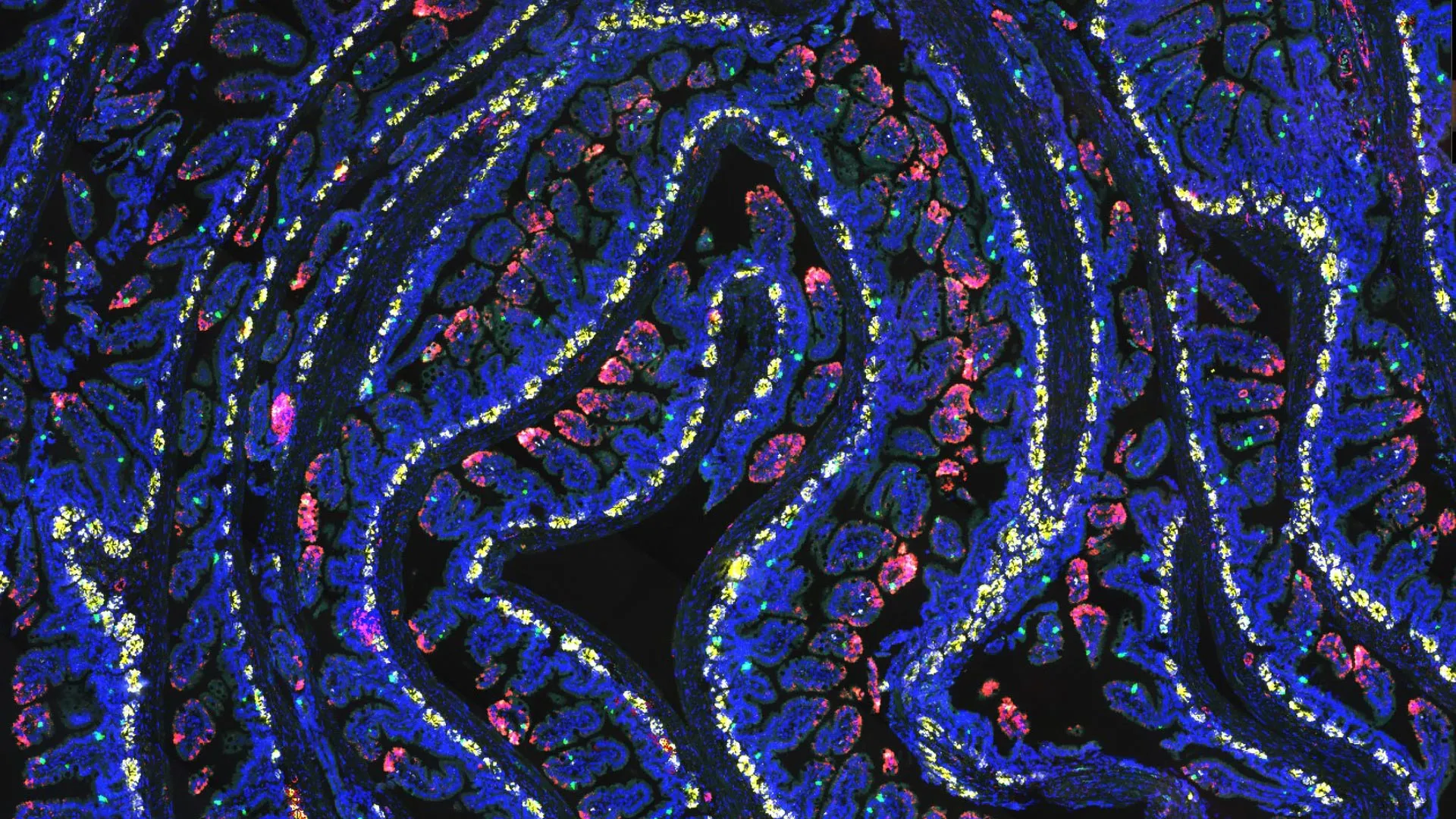
The study’s images examined markers associated with intestinal stem cells, revival stem cells and enteroendocrine cells in small-intestinal crypts. These structures contain the cells that replenish the intestinal lining. Maintaining or restoring that regenerative capacity matters because the gut’s surface is constantly renewed and must function as a barrier even while it is recovering from injury.
Why radiation injury limits treatment
The challenge addressed by the study is not merely comfort during therapy. Healthy-tissue toxicity can constrain the amount of radiation clinicians can safely give. When the intestine is at risk, balancing tumor control against collateral damage becomes more difficult.
An intervention that improves recovery of normal intestinal tissue could therefore have implications beyond reducing side effects. It might ultimately help make radiation therapy safer and more effective, though that possibility remains a research goal rather than a demonstrated clinical outcome.
The researchers emphasize that their findings could lead to ways of protecting healthy tissue without requiring patients to fast. That distinction is important. People undergoing cancer treatment can have complex nutritional needs, and a preclinical result should not be interpreted as advice to begin fasting during radiotherapy.
The microbiome is part of the mechanism
The report places a specific gut bacterium at the center of the observed response. This adds to evidence that microbes in the digestive tract can influence processes far beyond digestion, including how tissues respond to injury.
In this case, the key point is not that every dietary change will produce the same result. Rather, fasting altered the microbial environment in a way connected to regeneration following radiation damage. The bacterium appears to help coordinate the response that allows the intestine to repair itself.
That could open more practical routes for translation. If the protective biology can be understood in detail, researchers may be able to develop therapies that reproduce the useful part of the fasting response through microbial, dietary or drug-based approaches. The source material does not identify a ready-to-use intervention, but it makes clear that avoiding a fasting requirement is an explicit aim.

Early findings, meaningful clinical questions
Because the work is preclinical, its results need to be tested carefully in people. Researchers will need to determine whether the same microbial and regenerative changes occur in patients, whether they provide meaningful protection during real treatment courses and whether there are safety concerns for people with cancer.
They will also need to identify which aspects of the response are essential. Is the beneficial bacterium sufficient on its own? Does the timing of fasting relative to radiation determine the effect? Can a therapy activate the same repair pathway without dietary restriction? Those questions will shape whether the discovery becomes clinically useful.
For now, the research offers a more detailed picture of why the gut may respond differently to radiation under different metabolic conditions. It connects a brief fast, the microbiome and intestinal stem-cell-associated repair in one model of tissue protection.
That is a promising direction for supportive cancer care: not changing the tumor target, but improving the resilience of the healthy tissue around it. The next step is to turn that biological insight into interventions that are safe, practical and rigorously tested for patients.
This article is based on reporting by Science Daily. Read the original article.
Originally published on sciencedaily.com