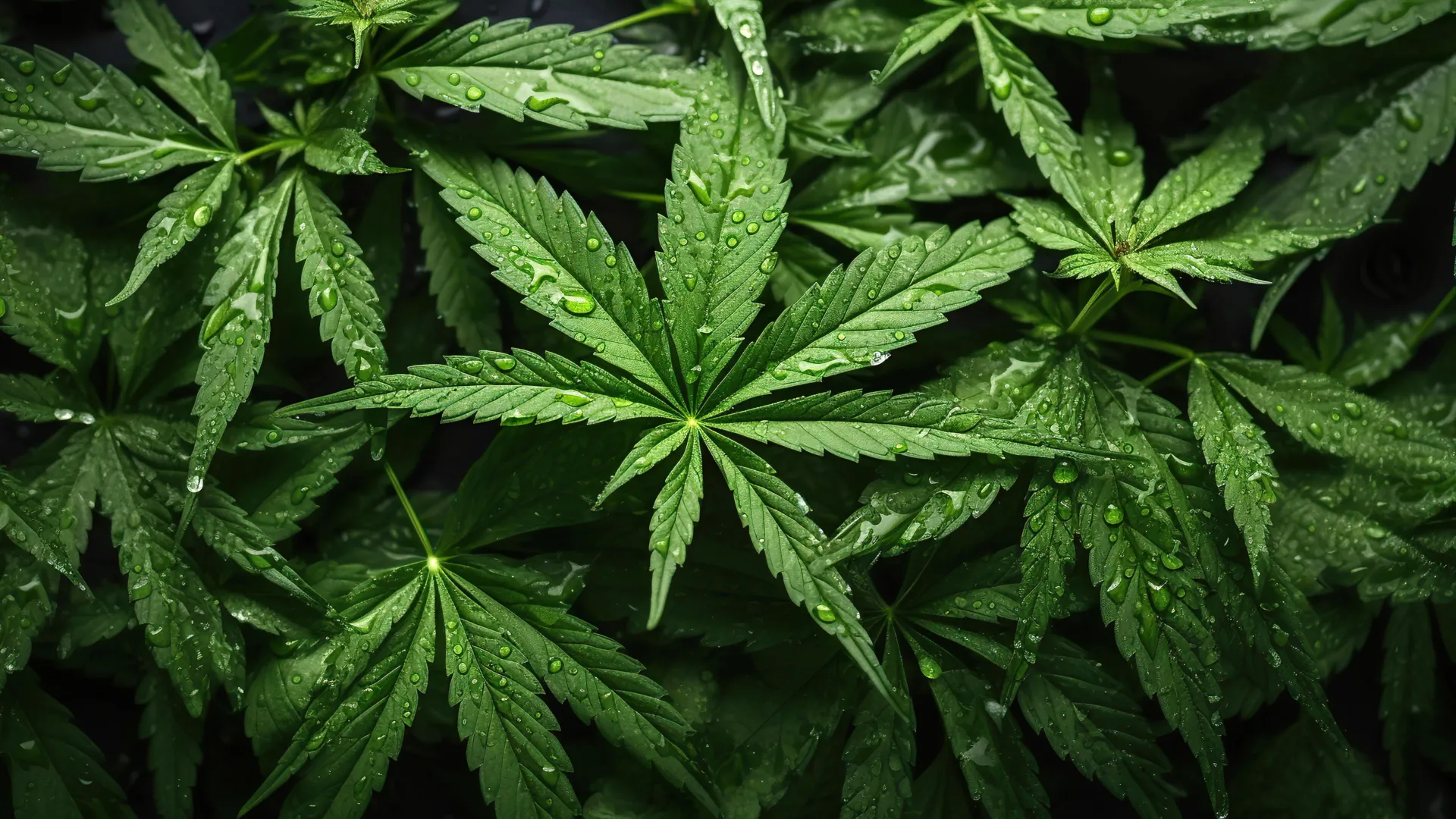
Archaeologists examining an elaborate tomb in southern Siberia have found what they describe as the oldest directly dated evidence of cannabis being used for its intoxicating effects. The evidence combines roughly 1,000 cannabis seeds recovered from the burial with chemical traces in preserved human hair, connecting the plant to people interred at the site nearly 2,800 years ago.
The research focuses on a Scythian burial in the Republic of Tyva, a region of southern Siberia. The Scythians were horseback-riding communities that lived across the Eurasian steppe. The tomb appears to have been used for prominent members of that culture and included evidence of complex burial practices and animal sacrifices.
Seeds place cannabis in the burial setting
Plant remains alone do not necessarily show why ancient people kept cannabis. Cannabis has long had practical uses, including fiber and oil production, while flowers, leaves and resins that could more directly indicate psychoactive use often decay. That makes it difficult for archaeologists to distinguish industrial, medicinal and intoxicating uses from the surviving record.
In this case, researchers recovered about 1,000 cannabis seeds from the tomb and radiocarbon dated six individual seeds. Together with other dating evidence from the site, those results place the deposition of the seeds in the early eighth century B.C.
That dating matters because it anchors the cannabis remains to the burial rather than relying on a broad historical association between the Scythians and the plant. Lead author Gino Caspari, affiliated with the University of Bern’s Institute of Archaeological Sciences and the Max Planck Institute of Geoanthropology, said the seeds indicate that cannabis played an important role in rituals surrounding the burial.
Hair analysis links the plant to consumption
The stronger evidence comes from the tomb’s central burial chamber, where human hair had been preserved. Researchers analyzed several samples and found chemical evidence consistent with cannabis consumption. This provides a direct connection between the plant material in the tomb and the people associated with it.
The result does not depend on assuming that seeds were consumed in the same way that cannabis is commonly used today. Instead, the interpretation rests on two separate lines of evidence: the securely dated seeds in a ritual setting and chemical traces in human remains. Together, they support the conclusion that cannabis was used for its psychoactive effects.
The finding is significant because ancient cannabis use can be especially hard to document. Organic evidence deteriorates, and a seed cache can be ambiguous without biological evidence of exposure. By pairing radiocarbon dating with hair chemistry, the study narrows that uncertainty.
A window into early Scythian ritual
The study adds detail to a burial context already marked by elaborate ritual activity. Rather than presenting cannabis as an isolated agricultural or household material, the evidence situates it among practices surrounding death, commemoration and sacrifice. It suggests the plant had a role in how members of this Scythian community conducted funerary rites.
Researchers cannot reconstruct every aspect of those rituals from the available evidence. The surviving material does not establish a complete ceremony, the amount consumed by each person, or the precise social meaning attached to intoxication. But the combination of seeds and hair samples provides unusually direct support for the conclusion that psychoactive cannabis use occurred in this setting.
The work also demonstrates the value of examining multiple kinds of evidence from a single archaeological site. Radiocarbon dating establishes when material entered the tomb. Archaeobotanical recovery identifies the plant remains. Chemical analysis can reveal exposure that leaves no visible artifact. Used together, those methods make it possible to address questions that any one line of evidence would leave unresolved.

Why the discovery matters
Cannabis is among the world’s most widely used psychoactive plants today, but its deep history is incomplete. Archaeologists often face a fragmented record in which durable seeds survive while the parts of the plant associated with intoxicating effects do not. That preservation bias has made it challenging to identify early use with confidence.
The Siberian tomb helps close part of that gap. Its dated seeds establish a clear time frame, while chemical traces in hair offer evidence of consumption. The researchers therefore characterize the discovery as the oldest directly dated archaeological evidence for cannabis being used to become intoxicated.
Beyond the history of one plant, the finding is a reminder that burial sites can preserve evidence of lived and ritual experience as well as social status. In this case, the remains point to a plant that was present in an important ceremonial environment and chemically detectable in people connected to it nearly three millennia later.
This article is based on reporting by Science Daily. Read the original article.
Originally published on sciencedaily.com