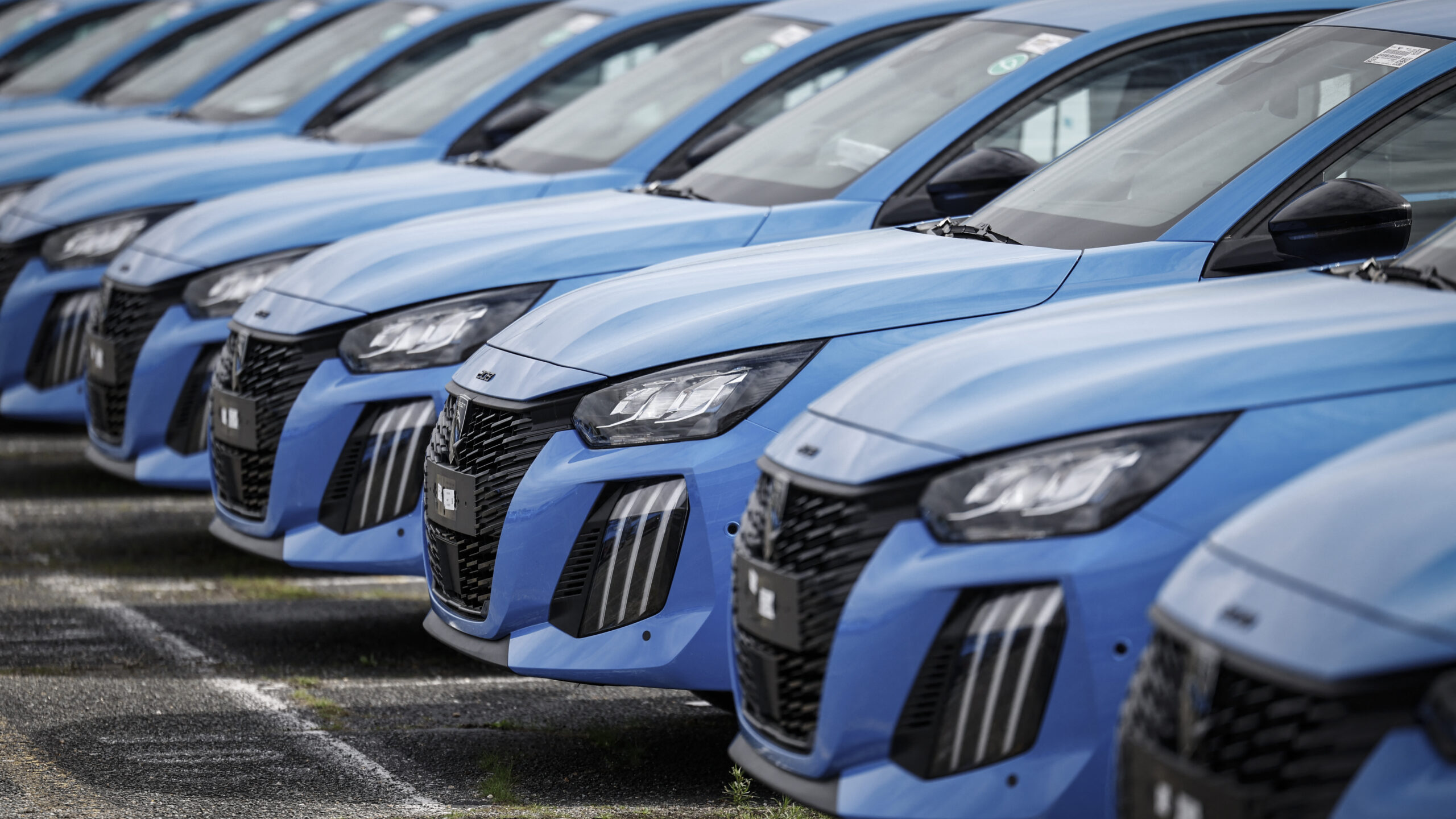
Uma grande montadora amplia sua aposta em IA
A Stellantis, o grupo automotivo global por trás de marcas como Chrysler, Dodge, Jeep, Ram, Alfa Romeo, Peugeot e Vauxhall, iniciou uma parceria de cinco anos com a Microsoft. O objetivo declarado é melhorar os serviços digitais da empresa, fortalecer a cibersegurança e aprimorar as capacidades de engenharia. Como descrito no texto de origem, a IA terá um papel central nesse esforço.
O anúncio é relevante porque mostra o quanto o software saiu da periferia da indústria automotiva e passou a ocupar seu centro. Os veículos já não são avaliados apenas pelo desempenho do conjunto motriz, pelo design e pela qualidade de fabricação. Cada vez mais, também são julgados pelos serviços conectados à nuvem, pelos sistemas operacionais, pelo comportamento dos assistentes de condução e pela utilidade ou frustração da camada digital que envolve a experiência de propriedade.
Por que esse acordo importa agora
As montadoras vêm tentando, há anos, se tornar empresas de software enquanto continuam operando como fabricantes. Essa transição tem sido desigual. Serviços conectados podem ser úteis, mas só quando são confiáveis e seguros. Sistemas de assistência ao motorista podem agregar valor, mas qualidade e segurança variam bastante. Interiores dominados por telas sensíveis ao toque se tornaram comuns, mesmo quando tornam interações simples mais difíceis. O resultado é uma indústria que adotou a complexidade digital mais rápido do que a dominou de forma consistente.
Esse contexto ajuda a explicar por que uma empresa como a Stellantis aprofundaria os laços com a Microsoft. Se o desafio já não é apenas adicionar recursos de software, mas operar uma pilha digital inteira em marcas, regiões e produtos, a experiência externa em plataformas se torna estrategicamente importante. A Microsoft traz escala em infraestrutura em nuvem, software corporativo e ferramentas de IA. A Stellantis traz os veículos, a base de clientes e a presença operacional.

A posição da empresa: IA em todo lugar
Segundo declarações citadas no material de origem do diretor de engenharia e tecnologia da Stellantis, Ned Curic, a empresa diz ter sido uma adotante precoce de IA em engenharia, fabricação, design e interação com clientes. Ela também afirma que a IA está sendo incorporada diretamente aos seus veículos, da cabine digital ao sistema operacional central do veículo.
Essa linguagem é ampla, mas indica a direção da indústria. A oportunidade de curto prazo não é apenas assistência no estilo chatbot para motoristas. Ela inclui fluxos de serviço mais inteligentes, diagnósticos melhores, software embarcado mais adaptável, fluxos de trabalho de engenharia mais rápidos e monitoramento de cibersegurança mais rigoroso. Em outras palavras, a IA é apresentada menos como um recurso isolado e mais como uma camada operacional que toca todo o ciclo de vida do veículo e do negócio ao redor dele.
Propriedade, não apenas direção
A parte mais interessante dessa parceria talvez seja o foco em ajudar os proprietários de carros, e não apenas em construir experiências futuristas no veículo. A jornada moderna de propriedade já inclui alertas de manutenção, controles via aplicativo, dados de carga ou combustível, serviços vinculados à navegação, atualizações de software, pontos de contato de financiamento e interações com concessionárias. Cada um desses momentos agora é tanto um problema de software quanto mecânico.
Se a Microsoft e a Stellantis executarem bem, os benefícios práticos podem ser comunicação mais clara, ferramentas digitais mais úteis e melhor suporte em torno do veículo. Se executarem mal, a parceria corre o risco de adicionar outra camada de complexidade a uma indústria automotiva que já exige que os motoristas tolerem aplicativos confusos demais, interfaces fracas e práticas de dados pouco claras.
O aspecto da cibersegurança não é opcional
Um dos elementos mais substantivos do anúncio é a ênfase na cibersegurança. À medida que mais veículos saem de fábrica com modems embutidos e conexões persistentes à nuvem, a superfície de ataque se amplia. Segurança já não é um tema de TI de bastidor para as montadoras. Ela está diretamente ligada à confiança do cliente, à resiliência da frota e ao risco de marca.
Isso faz com que esta parte da parceria com a Microsoft seja mais do que um ponto de fala padrão de comunicado à imprensa. Uma montadora moderna precisa proteger serviços conectados, sistemas internos de engenharia e, cada vez mais, os próprios veículos definidos por software. Trazer um grande parceiro de tecnologia para reforçar essa camada é reconhecer o quão altos ficaram os riscos.
Um teste de se a big tech pode ajudar as montadoras onde elas mais falham
O artigo de origem levanta uma tensão importante: montadoras muitas vezes tentaram construir produtos digitais fora de suas competências centrais, com resultados mistos. Uma parceria com a Microsoft é, em parte, uma admissão de que essas capacidades talvez sejam melhor construídas com expertise externa do que por esforços internos isolados.
Isso não garante sucesso. Grandes parcerias entre setores podem produzir apresentações sofisticadas sem corrigir a experiência do usuário subjacente. Motoristas não se importam se um serviço roda sobre um parceiro de nuvem prestigiado se a interface é desajeitada, o recurso fica preso a assinaturas ou o tratamento de dados parece invasivo. O padrão aqui não é ambição técnica. É saber se os produtos resultantes são realmente mais usáveis, seguros e confiáveis.
O sinal mais amplo para o setor
Esse acordo também aponta para uma mudança maior no transporte. O carro está se tornando uma plataforma de software gerida por meio de parcerias contínuas entre fabricantes industriais e empresas de tecnologia. Isso muda a dinâmica competitiva. A identidade da marca ainda importa, mas uma parcela maior da experiência de propriedade está sendo moldada por quem fornece serviços em nuvem, cibersegurança, ferramentas de IA e infraestrutura digital.
Para a Developments Today, a conclusão é clara: a Stellantis não está tratando a IA como um experimento periférico. Está colocando a IA dentro dos serviços ao cliente, dos fluxos de trabalho de engenharia e da própria pilha de software do veículo, com a Microsoft como parceira de longo prazo. A verdadeira medida de sucesso não será o anúncio, mas se os motoristas das marcas da Stellantis realmente acabarem com experiências digitais melhores, mais seguras e menos frustrantes.
Este artigo é baseado em uma reportagem da Ars Technica. Leia o artigo original.
Originally published on arstechnica.com