Baterias de EV ganham uma segunda vida na fábrica
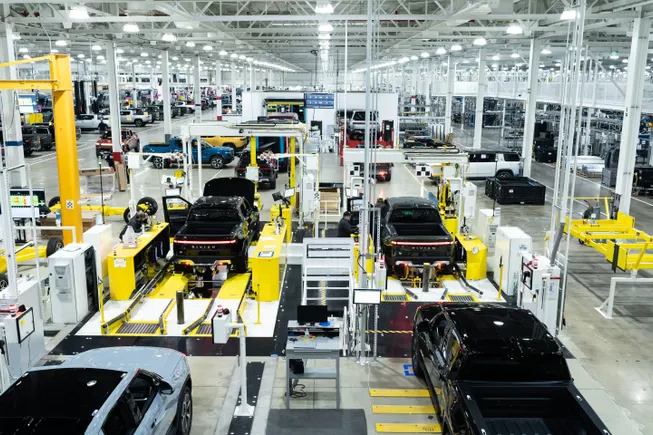
A Rivian e a Redwood Materials estão transformando baterias usadas de veículos elétricos em um sistema estacionário de armazenamento de energia para a fábrica de montagem da Rivian em Normal, Illinois, estendendo a vida útil de baterias que ainda mantêm valor após o uso no veículo.
Como parte da parceria, a Rivian fornecerá mais de 100 baterias de EV de segunda vida para a Redwood. O sistema fornecerá inicialmente 10 MWh de energia para a fábrica, com o objetivo de reduzir custos de energia e diminuir a demanda da rede nos períodos de pico. O anúncio coloca um caso de uso industrial prático por trás de um conceito que muitas vezes foi discutido como uma estratégia futura de circularidade de baterias.
O fundador e CEO da Redwood, JB Straubel, disse que a parceria mostra como baterias de EV podem se tornar recursos energéticos despacháveis, adicionando capacidade rapidamente, apoiando a fabricação e reduzindo a pressão sobre a rede sem esperar anos por nova infraestrutura.
Por que o armazenamento de segunda vida é atraente
As baterias de veículos elétricos podem chegar ao fim da vida automotiva ainda com saúde suficiente para usos estacionários menos exigentes. Um veículo exige alto desempenho, autonomia previsível e confiabilidade rigorosa sob vibração, clima e padrões rápidos de carga e descarga. Um sistema de armazenamento de fábrica pode usar as baterias de forma diferente, muitas vezes em condições mais controladas e com software operacional que gerencia carga e descarga.
Essa diferença cria uma oportunidade. Em vez de enviar as baterias diretamente para reciclagem, as empresas podem primeiro reaproveitá-las para armazenamento de energia, extrair mais valor econômico e depois reciclar os materiais no futuro. A Rivian disse que o uso de segunda vida pode estender a utilidade das baterias e ajudar a adiar grandes custos que, de outra forma, estariam ligados a nova infraestrutura de armazenamento ou de rede.
O projeto no Illinois também se relaciona a uma mudança maior nos negócios da Redwood. Em junho de 2025, a empresa anunciou a Redwood Energy, uma unidade focada em montar e implantar sistemas de armazenamento estacionário de baixo custo para data centers de IA e outras aplicações comerciais. A implantação na Rivian leva essa estratégia para um ambiente de manufatura em que os custos de energia de pico e as restrições da rede são preocupações operacionais diretas.

A demanda industrial por energia é a história maior
A parceria não trata apenas de reciclagem ou sustentabilidade. Trata também de demanda por eletricidade. Straubel disse que a demanda está crescendo mais rápido do que a rede consegue expandir, criando uma restrição ao crescimento industrial. Ao mesmo tempo, os Estados Unidos já têm uma base crescente de ativos domésticos de baterias no mercado. A tese da Redwood é que essas baterias representam um recurso energético, e não apenas matéria-prima futura para reciclagem.
Para a Rivian, o sistema oferece uma forma de usar energia armazenada em sua própria fábrica durante períodos caros ou de maior restrição. Isso pode reduzir a demanda de pico na rede e ajudar a empresa a evitar a compra de eletricidade mais cara quando a demanda está alta. Em um ambiente de manufatura, onde o consumo de energia é grande e os cronogramas importam, o armazenamento pode se tornar uma ferramenta operacional, e não apenas um projeto de demonstração.
O projeto também ilustra como as cadeias de suprimento de EVs e a infraestrutura da rede estão começando a se sobrepor. Montadoras, recicladores de baterias, desenvolvedores de armazenamento e grandes consumidores de eletricidade estão trabalhando cada vez mais em áreas que antes eram separadas. Um pacote de bateria pode fazer parte de um veículo, depois de um sistema de energia de fábrica e, por fim, tornar-se uma fonte de materiais recuperáveis.
Um modelo escalável, se a operação funcionar
A Rivian disse que o sistema de armazenamento da Redwood é escalável e oferece benefícios de custo ao usar baterias de EV já comprovadas. O teste mais importante será operacional: saber se baterias de segunda vida podem ser agregadas, monitoradas e despachadas de forma confiável o suficiente para atender às necessidades energéticas industriais.
Se esse modelo funcionar, poderá criar uma ponte entre a frota atual de baterias de EV e a demanda futura por armazenamento na rede. O mercado dos EUA vem acumulando mais baterias a cada ano com a expansão dos EVs. Nem todos esses pacotes serão adequados para reutilização, e cada projeto exigirá trabalho de segurança, diagnóstico e integração. Mas a base de oferta é real, assim como a demanda por armazenamento de implantação rápida.
O projeto Rivian-Redwood é modesto em termos de rede, com um sistema inicial de 10 MWh, mas é relevante porque conecta o uso circular de baterias a um local de manufatura em operação. Ele mostra como o armazenamento de energia pode ser construído a partir de ativos que já existem no ecossistema doméstico de EVs, potencialmente reduzindo a necessidade de esperar por nova infraestrutura de rede antes de adicionar capacidade flexível onde a demanda por energia está crescendo.
Este artigo é baseado na cobertura da Utility Dive. Leia o artigo original.
Originally published on utilitydive.com




