Uma química de bateria diferente ganha um apoio industrial maior
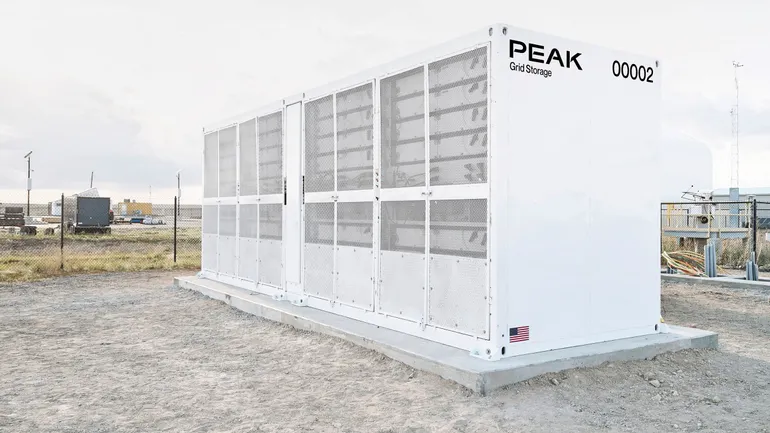
A Peak Energy e a General Motors estão em parceria para desenvolver e implantar sistemas de baterias de sódio-íon para armazenamento estacionário em escala de rede, um movimento que pode dar a uma das alternativas ao lítio mais observadas um caminho mais forte para o mercado de energia dos EUA. De acordo com o texto fornecido da Utility Dive, as empresas combinarão a tecnologia de armazenamento de energia com resfriamento passivo da Peak com as capacidades de fabricação de células da GM, com a GM desenvolvendo células de sódio-íon em Michigan e garantindo direitos exclusivos de fabricação.
A lógica comercial é direta. O armazenamento em rede nem sempre precisa das mesmas escolhas químicas que dominam os veículos elétricos. Para aplicações estacionárias, os operadores se preocupam intensamente com custo, confiabilidade, estabilidade da cadeia de suprimentos e duração. A Peak afirma que seus sistemas de sódio-íon podem reduzir os custos de armazenamento em 20% em relação aos sistemas convencionais e diminuir o desperdício de energia dos sistemas de baterias da rede nos EUA em até 2 terawatts-hora por ano se o fosfato de ferro-lítio for substituído em grande escala. Mesmo que esses números exijam validação prática ao longo do tempo, eles deixam claro a promessa: armazenamento mais barato com menos vulnerabilidades na cadeia de suprimentos.
O momento também ajuda a explicar a importância da parceria. A maioria dos sistemas estacionários de sódio-íon em operação, e grande parte da base de fabricação por trás deles, está na China. O texto-fonte observa que a Agência Internacional de Energia espera que a capacidade global aumente seis vezes até 2030. Em outras palavras, o sódio-íon já não é uma química especulativa de laboratório, mas ainda está cedo o bastante para que a geografia da fabricação esteja em disputa. A Peak e a GM apostam que os Estados Unidos ainda podem estabelecer uma presença doméstica antes que a estrutura do mercado se consolide.
Para a GM, o acordo amplia o significado de sua estratégia de baterias. A experiência de uma montadora em células está cada vez mais relevante fora do transporte, especialmente à medida que a demanda por energia sobe e data centers, usuários industriais e concessionárias buscam opções de armazenamento mais flexíveis. Landon Mossburg, cofundador e CEO da Peak, disse à Utility Dive que a tecnologia é “purpose-built” para data centers de IA e aplicações em escala de rede, e que os sistemas-alvo apoiarão durações de descarga de quatro a 12 horas. Isso aponta diretamente para um segmento do mercado em que o armazenamento de média ou longa duração se torna mais valioso, à medida que as concessionárias tentam firmar a geração variável e atender novas cargas.
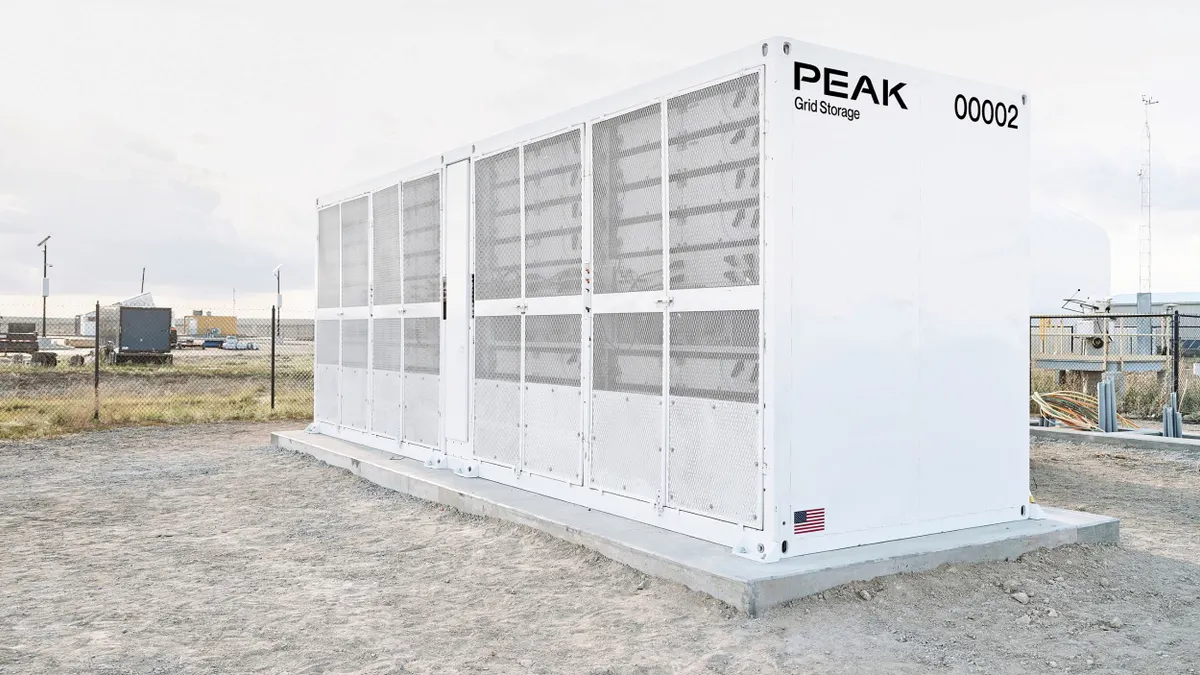
O recente impulso comercial da Peak dá mais peso ao anúncio. A empresa havia dito anteriormente que forneceria até 4,75 gigawatts-hora de sistemas de baterias de sódio-íon para a Jupiter Power até 2030 e agora afirma ter 6,5 gigawatts-hora em pedidos contratados. Ela também energizou no último outono o que descreveu como a primeira implantação de sódio-íon conectada à rede nos EUA, um sistema de 3,5 megawatts-hora perto de Denver. Ainda são números iniciais em comparação com o mercado mais amplo de lítio, mas indicam que clientes estão dispostos a se comprometer antes que a tecnologia alcance escala total no mercado principal.
A parceria também é uma história de política industrial, mesmo sem linguagem governamental direta. Mossburg disse que as duas empresas estão bem posicionadas para construir uma cadeia de suprimentos doméstica “da mina à rede”. No ambiente energético atual, essa expressão importa. Concessionárias e desenvolvedores estão cada vez mais preocupados em saber se o hardware crítico pode ser obtido de forma previsível, doméstica e em escala. A resiliência da cadeia de suprimentos deixou de ser uma preocupação secundária e passou a ser parte central da estratégia de compras.
Ainda existe risco de execução. Novas químicas precisam provar desempenho, durabilidade, fabricabilidade e bancabilidade. Direitos exclusivos e o desenvolvimento de células em Michigan não resolvem automaticamente esses problemas. Mas a parceria com a GM muda materialmente a credibilidade do esforço da Peak. Ela traz força de fabricação para uma categoria de tecnologia que há muito tempo é atraente na teoria, mas menos comprovada comercialmente nos Estados Unidos.
Se o sódio-íon vai se tornar mais do que uma opção de nicho para armazenamento na América do Norte, precisará exatamente desse tipo de parceria: uma empresa de tecnologia especializada com implantações iniciais e um peso-pesado industrial capaz de escalar a cadeia de suprimentos por trás dela.
Este artigo é baseado na cobertura da Utility Dive. Leia o artigo original.
Originally published on utilitydive.com