A Staggering Cost Shift
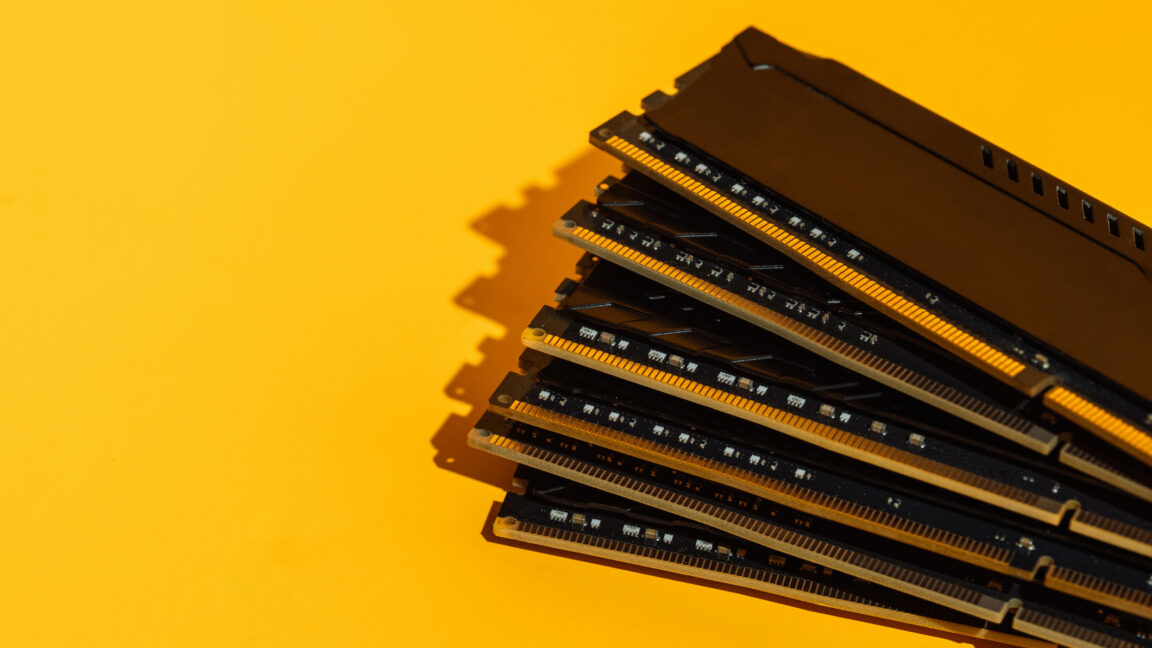
The global memory shortage has gone from industry headache to full-blown crisis. During HP Inc.'s first-quarter 2026 earnings call, CFO Karen Parkhill delivered a number that stunned analysts: RAM now represents roughly 35 percent of the bill of materials for HP's personal computers, up from approximately 15 to 18 percent just one quarter earlier.
That is not a typo. In the span of a single fiscal quarter, the cost of memory as a proportion of total PC manufacturing costs has nearly doubled. The shift reflects a roughly 100 percent sequential increase in memory procurement costs, with Parkhill warning that prices are expected to climb further as the year progresses.
The implications are sweeping. HP now expects the total addressable market for its Personal Systems business — which includes desktops, laptops, and workstations — to decline by double digits in calendar year 2026. Higher component costs translate directly to higher retail prices, and higher prices mean fewer units sold, particularly in consumer and education markets where price sensitivity is acute.
What Is Driving the Shortage
The memory shortage has been building for months, driven by a confluence of factors that have tightened supply while demand has surged. On the demand side, the explosion of artificial intelligence workloads has created unprecedented appetite for high-bandwidth memory (HBM) used in AI accelerators and data center GPUs. Major AI companies have been securing massive memory allocations, crowding out supply available for traditional PC applications.
On the supply side, the three major DRAM manufacturers — Samsung, SK Hynix, and Micron — have been prioritizing HBM production over conventional DDR5 memory. Converting fabrication capacity from standard memory to HBM chips is technically complex and capital-intensive, and the higher margins on AI-grade memory have made the business case for the shift irresistible for manufacturers.
The result is a squeeze on the conventional memory market that has sent prices spiraling. Contract prices for DDR5 modules have risen sharply across consecutive quarters, and spot market prices — which reflect real-time supply and demand — have been even more volatile.

The AI Memory Paradox
There is a certain irony in the situation. The AI boom that has driven stock prices higher across the technology sector is simultaneously undermining one of the industry's most fundamental product categories. PC makers like HP, Dell, and Lenovo are caught in a trap: they need to ship AI-capable PCs to stay competitive, but AI-capable PCs require more memory at higher prices, which depresses overall unit volumes.
The latest generation of AI PCs — machines with dedicated neural processing units and the ability to run large language models locally — typically require a minimum of 16 GB of RAM, with many configurations calling for 32 GB or more. This is a significant step up from the 8 GB that was standard in entry-level systems just two years ago, and it means that memory cost inflation hits AI PCs even harder than conventional systems.
For enterprise customers, the calculus is different. Businesses that are deploying AI-capable PCs see the higher memory costs as an investment in productivity. But for the consumer market, where average selling prices are more constrained, the math does not work as favorably. Analysts expect the consumer PC segment to bear the brunt of the market contraction.
Samsung and Memory Makers Reap the Rewards
While PC manufacturers are squeezed, the memory makers themselves are enjoying record profitability. Samsung Electronics, SK Hynix, and Micron have all reported strong earnings driven by elevated DRAM pricing. SK Hynix, in particular, has benefited enormously from its position as the leading supplier of HBM chips to Nvidia, whose AI GPUs dominate the data center market.
Samsung has been racing to close the gap in HBM production, investing heavily in advanced packaging technology and new fabrication lines. But the ramp-up takes time, and until additional capacity comes online, the supply-demand imbalance is unlikely to ease significantly.
Industry analysts project that the memory market will remain tight through at least the first half of 2026, with some forecasting that meaningful price relief may not arrive until late in the year or even early 2027. The pace of recovery will depend largely on how quickly manufacturers can expand total output while maintaining the mix shift toward HBM.

Ripple Effects Across the Supply Chain
The memory cost surge is not just a problem for HP. It ripples through the entire PC supply chain. Original design manufacturers (ODMs) in Taiwan and China, who assemble the majority of the world's laptops, are dealing with the same input cost pressures. Component distributors are seeing allocation constraints. And retailers are bracing for sticker shock as higher wholesale costs flow through to shelf prices.
Peripheral markets are also affected. Server makers are facing similar memory cost pressures, which compounds the already-high costs of building out AI infrastructure. The automotive industry, which has been steadily increasing its use of DRAM in advanced driver-assistance systems and infotainment platforms, is feeling the pinch as well.
For consumers, the practical impact is straightforward: the laptop or desktop you buy this year will likely cost more than a comparable system would have cost six months ago, and the primary reason is the cost of the RAM inside it. Whether the industry can navigate this shortage without triggering a broader downturn in PC spending remains the central question for the rest of 2026.
This article is based on reporting by Ars Technica. Read the original article.
Originally published on arstechnica.com


