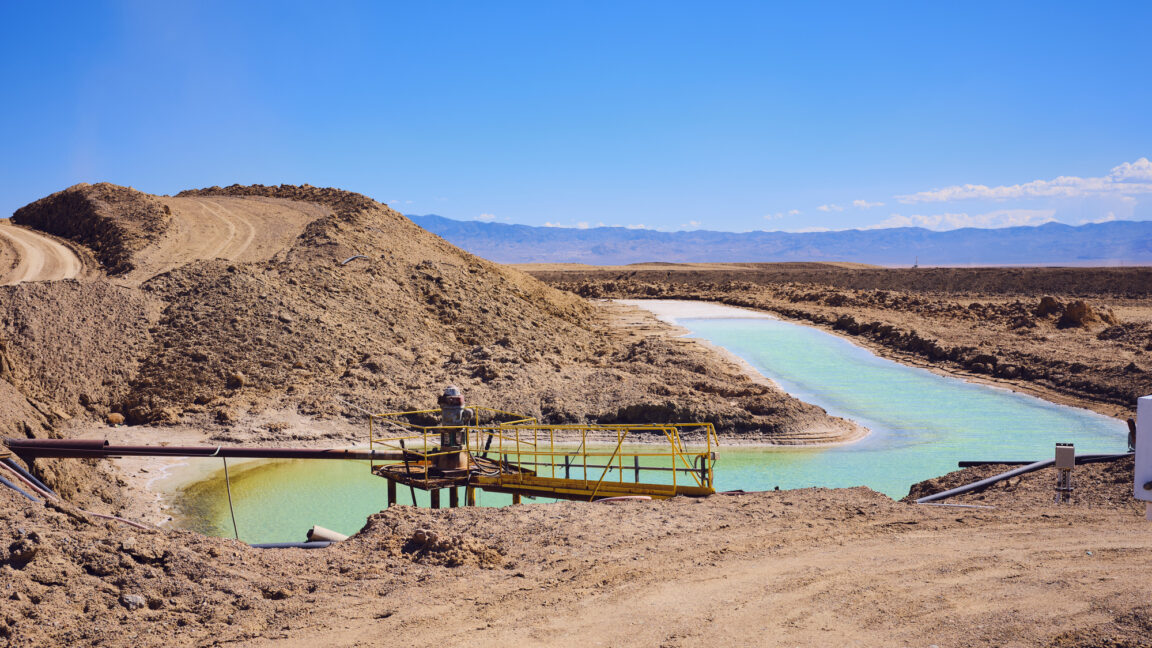
Lithium extraction may no longer have to lean so heavily on brines
Researchers have described a new process for extracting lithium from rock that could lower the energy cost of producing one of the battery industry’s most important raw materials. The work matters because lithium may be abundant in broad geological terms, but economically recoverable lithium is far more constrained. Today, the cheapest supply usually comes from brines, especially in South America, while hard-rock sources remain significantly more expensive to process.
That imbalance has shaped the economics of the entire lithium-ion battery ecosystem. Even if alternative battery chemistries improve, lithium’s manufacturing scale and supply chain maturity are hard to match. The biggest threat to that dominance is not necessarily a better chemistry, but a supply crunch. A process that makes more rock-based deposits viable would not solve every constraint, but it could make the supply base less geographically concentrated.
Why hard-rock lithium has been difficult
The paper highlighted by Ars Technica focuses on spodumene, a lithium-aluminum silicate that the source text describes as the world’s most abundant lithium ore. Spodumene is already processed commercially, but the established route is punishing. It starts by heating the ore to roughly 1,000 degrees Celsius to disrupt its compact structure. Sulfuric acid then leaches out the lithium, producing lithium sulfate that is later converted into a form useful for battery manufacturing, often lithium carbonate. The process is energy-intensive and leaves sulfur-containing waste behind.
That combination of high heat, strong chemicals, and difficult waste handling is exactly why brines have been so attractive when available. Hard-rock deposits can be extensive, but extracting lithium from them economically is another matter.

What the new process changes
The newly reported method, developed by MIT researchers working with two Boston-area companies, aims to tackle both energy use and waste generation. According to the source text, the system is built around a key chemical that is used early in the process and regenerated later, rather than consumed and discarded. The aluminum and silicon left behind from the ore are also transformed into products that already have commercial uses.
That is an important distinction. Many extraction breakthroughs sound promising at the lab stage but fail when the byproducts are hard to manage, the reagent bill is too high, or the energy demand simply shifts from one stage to another. Here, the researchers are making a broader claim: lower energy input, regenerated starting chemicals, and byproducts that may have value rather than disposal costs.
Why the battery sector is paying attention
Lithium sits at the center of a scale advantage that is difficult for rivals to break. The vast manufacturing footprint of lithium-ion batteries pushes down cost through repetition, infrastructure, and supplier density. That means even technically superior alternatives face a steep commercialization wall. More diversified lithium supply would reinforce that system, while also reducing some of the concentration risk tied to specific extraction geographies.
The source text points to the U.S. Geological Survey’s recent accounting of extensive lithium oxide deposits in northeastern pegmatite rock as a reminder that resources can exist without being readily bankable. If a new extraction method lowers the barrier for hard-rock production, deposits that were previously marginal could become more attractive.

The remaining question is scale
That said, the decisive test is not whether the chemistry works in a paper. It is whether the process can scale into industrial flowsheets with competitive costs, reliable throughput, and acceptable equipment demands. The report is careful about that point. The advance is framed as a potentially helpful diversification of supply, not as an instant replacement for existing methods.
Still, in a battery market increasingly shaped by supply security, processing technology can matter as much as geology. A deposit is only strategic if the industry has a practical way to turn it into battery-grade material at a cost the market can bear.
Why this development matters
- It targets spodumene, the most abundant lithium ore described in the source text.
- The method is designed to use less energy than current hard-rock extraction routes.
- Its starting chemicals are regenerated, and its byproducts may have commercial value.
If the process holds up outside the lab, it could do more than improve a single step in lithium refining. It could widen the map of where battery-grade lithium can be produced economically, which would make the broader battery supply chain more resilient.
This article is based on reporting by Ars Technica. Read the original article.
Originally published on arstechnica.com


