Meta's Latest AI Playground
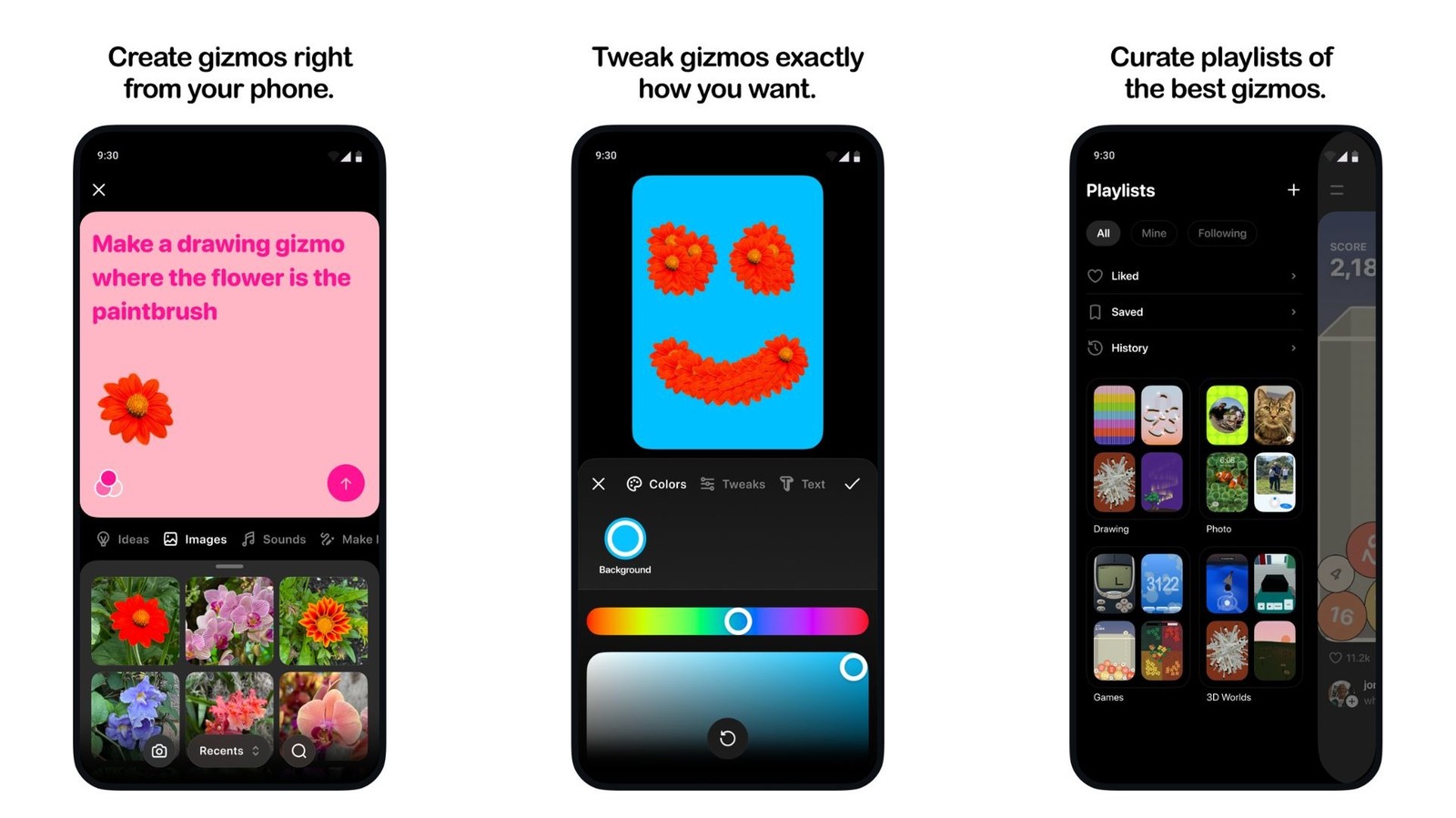
Meta has quietly entered the generative AI gaming space with the soft launch of a new mobile app called Pocket. Designed to let users "vibe-code" their own minigames, Pocket is described in its app store listing as "a creative platform for making and sharing gizmos." The app appeared on both iOS and Android on June 29, 2026, according to reporting platform AppFigures, and was first spotted by mobile developer and reverse engineer Alessandro Paluzzi, who shared details on X.
While the app is listed publicly, it is not yet available in the United States. Tests on multiple phone models associated with US-based Google accounts showed the app as unavailable. A help page on Meta's site states that "the Pocket app is not yet available everywhere," suggesting a phased rollout. Meta has not made any official announcement about the launch or the specific regions where the app is being trialed. Engadget has reached out to Meta for comment.
From Gizmo Acquisition to Pocket
The app's terminology and technical details strongly hint that Pocket is the result of Meta's acquisition of Gizmo, an app that used AI to create interactive experiences based on user prompts. TechCrunch reported that Meta hired the entire Gizmo team earlier in 2026. Pocket uses the same nomenclature, calling its creations "gizmos," and the Android Play Store package name is "com.facebook.gizmo," further linking the two projects.
This move aligns with Meta's broader push to integrate generative AI across its services. Over the past year, the company has introduced AI features ranging from cosmetic tweaks to standalone apps, aiming to capitalize on the growing trend of user-generated AI content. Pocket represents a significant step into the realm of AI-powered game creation, lowering the barrier for users to build and share interactive experiences without coding expertise.

How Pocket Works
Based on the app listing and early reports, Pocket allows users to create minigames using natural language prompts or simple inputs, which the AI then interprets to generate playable experiences. The app likely leverages Meta's large language models and other AI tools to handle game logic, graphics, and interactivity. Users can then share their creations within the Pocket community or potentially across Meta's other platforms.
The concept of "vibe-coding" suggests a focus on casual, intuitive creation rather than traditional programming. This approach could appeal to a broad audience, including those with no prior game development experience. By making game creation accessible, Meta may be aiming to build a new ecosystem of user-generated content, similar to platforms like Roblox but powered by generative AI.
Availability and Future Plans
As of now, Pocket is available in select regions outside the US, though Meta has not disclosed which countries are included in the initial rollout. The app's help page indicates that availability will expand over time. Given Meta's history of testing features in smaller markets before global launches, Pocket may see a wider release in the coming months.
The lack of an official announcement suggests Meta is still evaluating the app's performance and user feedback. The company may also be fine-tuning the AI models and user experience before a broader launch. For now, users outside the US can download Pocket from the iOS App Store or Google Play Store, while US users will have to wait.
Implications for Generative AI and Gaming
Pocket enters a growing market of AI-powered creation tools. Competitors include platforms like OpenAI's ChatGPT with custom GPTs, and other AI game generators. However, Pocket's focus on mobile-first, casual game creation could differentiate it. By integrating with Meta's social ecosystem, the app could also benefit from viral sharing and community features.
The app's success will depend on the quality of the AI-generated games and the ease of use. If Pocket can deliver engaging, playable experiences with minimal input, it could attract a large user base. Conversely, if the AI produces low-quality or repetitive content, it may struggle to retain users. Meta's track record with AI features suggests a commitment to iterative improvement, so early versions may evolve rapidly.
Conclusion
Meta's soft launch of Pocket marks another step in the company's AI strategy, bringing generative game creation to mobile devices. While currently unavailable in the US, the app's connection to the Gizmo acquisition and its focus on "vibe-coding" indicate a serious investment in user-generated AI content. As Meta continues to expand its AI offerings, Pocket could become a key platform for casual creators and gamers alike.
This article is based on reporting by Engadget. Read the original article.
Originally published on engadget.com