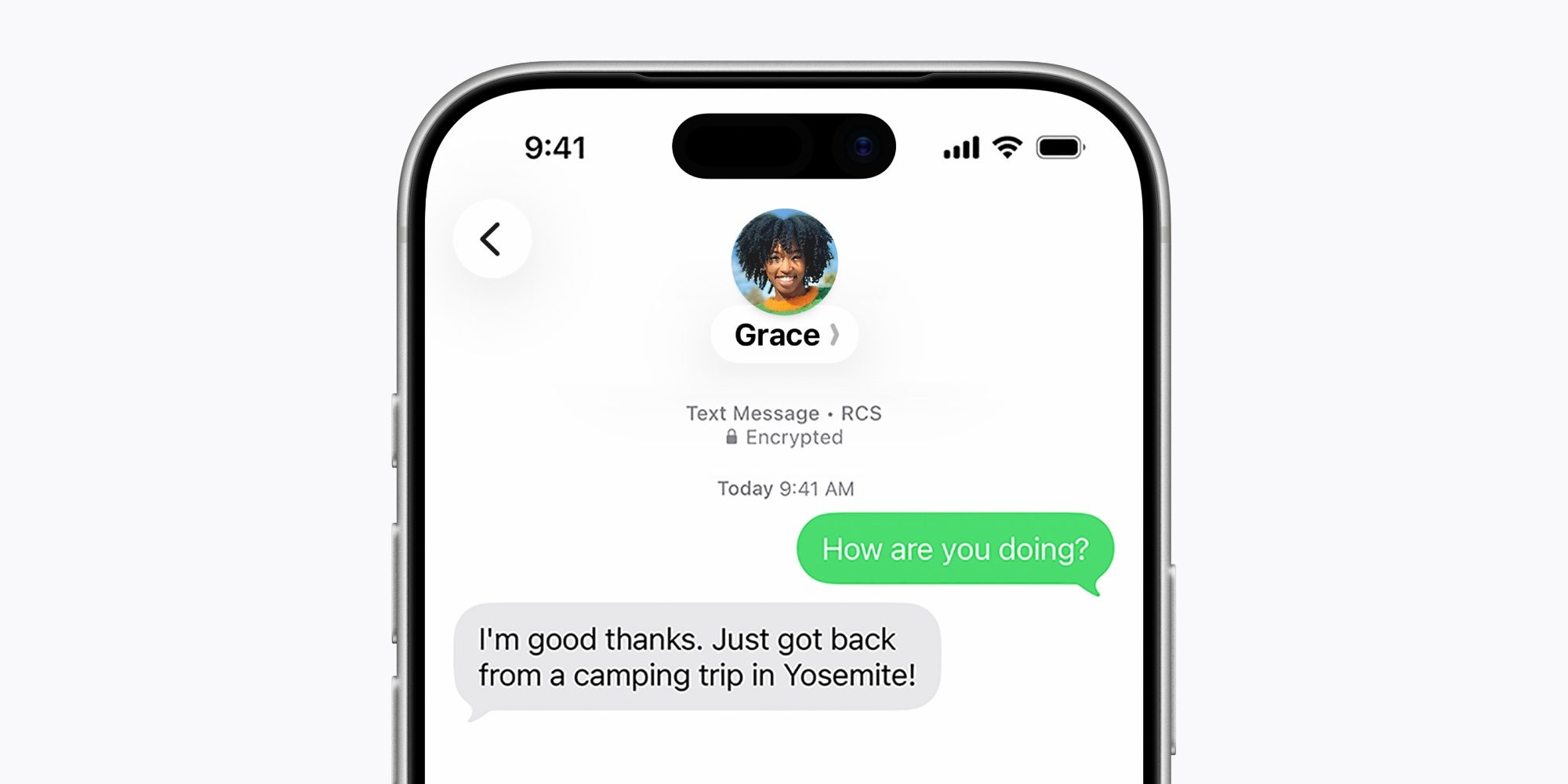
Apple's Messages app is heading for another round of changes, and this time the emphasis is on RCS. A report from 9to5Mac dated October 5, 2026 states that iOS 27 includes several welcome additions to the Messages app, with two key upgrades specifically targeted at RCS conversations leading the list. The report does not spell out every detail in its summary, but the headline signal is clear: Apple is continuing to invest in the cross-platform messaging standard rather than treating it as a one-time compliance exercise.
Why a Messages Update Is Never Just a Messages Update
For most iPhone owners, the Messages app is not an app at all. It is the default surface for the majority of their digital communication — family logistics, work threads, group chats that have quietly accumulated a decade of shared history. That makes any change to how Messages behaves disproportionately consequential. Small shifts in how a conversation renders, how a group thread organizes itself, or how a message is delivered are felt by hundreds of millions of people at once.
That is why the split between the two halves of Messages has always been awkward. Conversations between Apple devices run on iMessage, a closed, end-to-end encrypted service that Apple controls end to end. Conversations with Android phones have historically fallen back to SMS and MMS, the decades-old carrier protocols that lack modern features and, critically, lack encryption. The visual shorthand for this divide — blue bubbles versus green bubbles — became one of the most recognizable and most criticized design choices in consumer technology.
RCS, or Rich Communication Services, is the attempt to close that gap. It is the carrier-backed successor to SMS that supports read receipts, typing indicators, higher-resolution media, group messaging that behaves like actual group messaging, and, with the right encryption layer, protection in transit. When Apple added RCS support to the iPhone, it did not eliminate the blue-green distinction or merge the two systems, but it did meaningfully upgrade what a green-bubble conversation could do.
The Two RCS Upgrades and What They Signal
According to the report, iOS 27's Messages changes include two upgrades that specifically benefit RCS threads, alongside several other welcome additions across the app. Even without a full feature breakdown, the pattern is worth reading carefully. A single RCS release could be written off as Apple checking a regulatory box. A second, focused round of RCS improvements in a subsequent major iOS version tells a different story: that the standard is now part of the app's ongoing roadmap rather than a feature that shipped once and was left to sit.
That distinction matters for how quickly the gap between iMessage and RCS narrows. Every improvement Apple makes on the RCS side reduces the number of interactions that feel noticeably worse than their iMessage equivalents. Conversely, every improvement also raises expectations, because users who notice a better experience in one corner of the app tend to ask why the rest of the conversation does not match.
It is also a reminder that the two-track structure of Messages is not going away. Apple has consistently kept iMessage as a distinct, Apple-only service with capabilities it does not extend to RCS. RCS upgrades therefore expand the floor for cross-platform conversations without raising the ceiling to iMessage levels. Both things can be true at once, and the report's framing — two key RCS upgrades, plus other additions — fits that model precisely.
What It Means for the Broader Messaging Fight
The RCS question has never been purely technical. Regulators in Europe and elsewhere have spent years scrutinizing how large platforms handle interoperability, and messaging apps have been a recurring target. Apple's gradual embrace of RCS has unfolded against that backdrop, with each step drawing both praise for progress and complaints that it does not go far enough.
There is a competitive dimension as well. RCS is championed most visibly by Google, which has built its messaging strategy around the standard and has long argued that Apple's resistance was the main obstacle to a better cross-platform experience. Every RCS improvement Apple ships strengthens Google's underlying argument about the standard's value while simultaneously demonstrating that Apple intends to control the pace and scope of adoption on its own terms.
For users caught in the middle, the practical effect is cumulative rather than dramatic. Photos that arrive at a usable resolution instead of a thumbnail. Group threads that do not fragment. Indicators that tell you whether a message landed. None of these are headline features individually. Together, they determine whether texting someone on a different platform feels like a normal interaction or a degraded one.

What to Watch Next
- Whether the two RCS upgrades are visible to users immediately or require carrier-side support to activate.
- How Apple frames the changes publicly — as a feature, as a standards commitment, or as an infrastructure improvement buried in release notes.
- Whether encryption coverage for RCS threads expands alongside the new capabilities, since encryption remains the sharpest remaining divide between the two systems.
- Whether the non-RCS additions to Messages signal a broader redesign of the app's interface and conversation management tools.
The answers will shape how quickly the gap between iMessage and RCS stops being something ordinary users notice in daily use. That is a slower, less visible process than a single dramatic announcement, but it is the one that actually changes behavior.
Also in the Apple News Cycle
The same reporting window surfaced separate Apple hardware chatter: a report that a redesigned MacBook Pro with an OLED display will feature a significantly lighter design. The two stories sit at opposite ends of Apple's product stack, but they reflect the same dynamic — coverage of Apple's future roadmap tends to arrive in clusters, mixing incremental software improvements with larger hardware ambitions. For readers tracking iOS 27 specifically, the software details remain the more immediate concern, since Messages changes reach users far faster than a laptop redesign reaches shelves.

The Bottom Line
iOS 27 will not settle the debate over how messaging should work across platforms, and it was never going to. What the reported Messages update does show is that RCS has moved from a grudging concession into a maintained part of Apple's product planning. Two dedicated RCS upgrades, arriving alongside other improvements to the app, indicate that the standard will keep improving incrementally on iPhone — quietly, steadily, and on Apple's schedule rather than anyone else's.
This article is based on reporting by 9to5Mac. Read the original article.
Originally published on 9to5mac.com