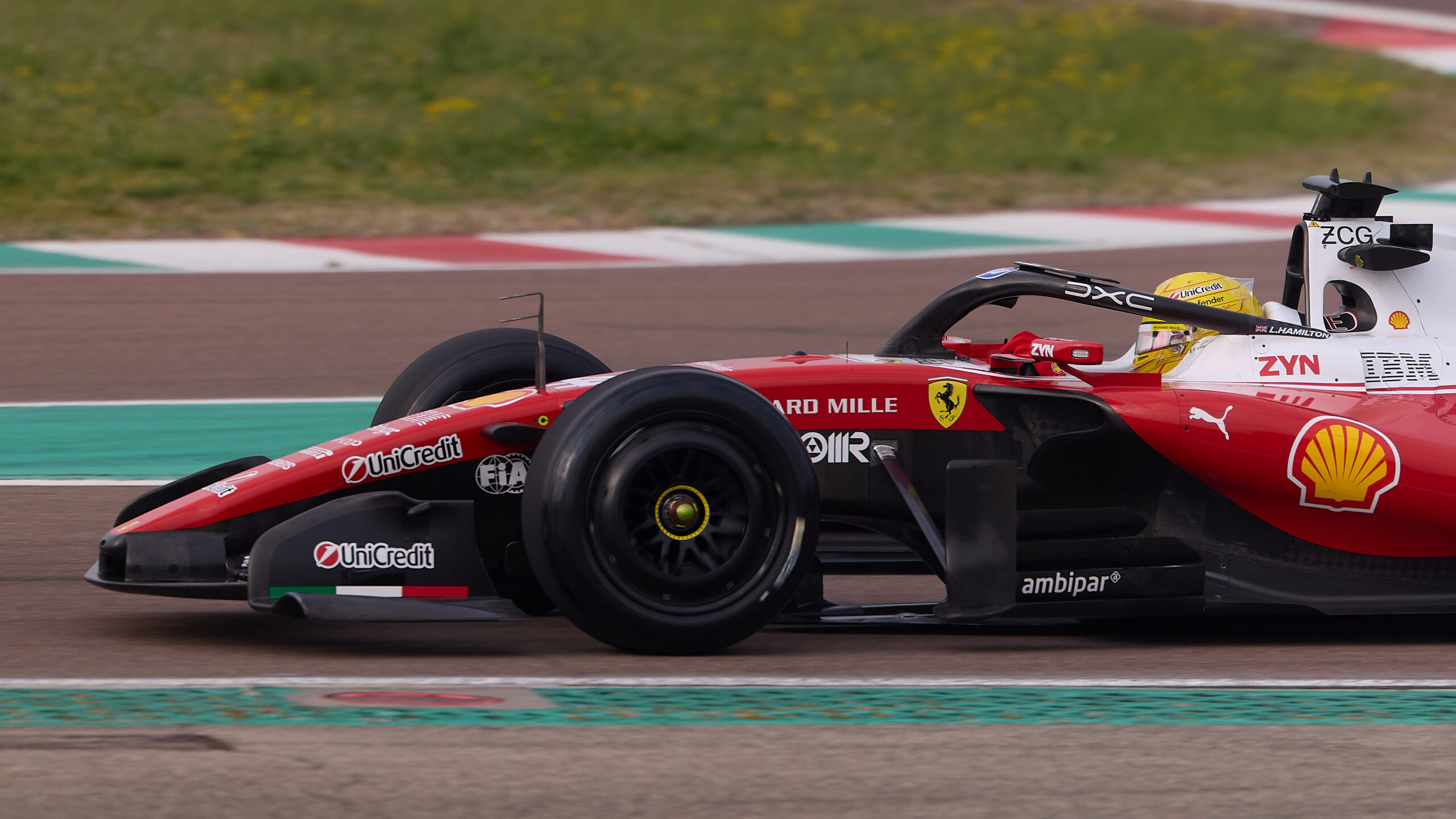
F1 moves quickly to fix a problem it created
Formula 1 is revising its hybrid energy rules only weeks into the new powertrain era, after teams and organizers concluded that the current setup was damaging both competition and safety. The changes will take effect at the Miami Grand Prix on May 1 through May 3 and are aimed at reducing the extreme speed differentials created when cars are forced to recharge their batteries mid-lap.
The issue stems from the sport’s latest power units, which rely on much more powerful electric motors than before but pair them with batteries that can deliver full output for only a limited period each lap. Once that stored energy is exhausted, available power drops sharply until more charge is recovered. In qualifying, that has undermined the traditional idea of a flat-out lap. In races, it has produced large speed gaps between cars that still have charge and those that do not.
The core problem: harvesting versus racing
Under the original setup for the first races of the season, drivers were allowed to recharge and use up to 8 megajoules per lap to power the electric motor. The battery itself stores 4 megajoules, so cars must constantly recover energy through braking and what the sport calls super clipping, where the engine powers the electric motor as a generator.
That engineering solution came with an ugly side effect. Every kilowatt diverted into charging is a kilowatt that is not driving the rear wheels. According to the report, that created speed differentials of up to 70 kilometers per hour, or about 43 miles per hour. In a series defined by precise margins, that is not a subtle effect. It changes overtaking patterns, distorts lap construction, and raises obvious safety concerns when two cars on the same straight are effectively in different operating modes.

What changes in Miami
Beginning in Miami, the maximum energy allowance in qualifying will be reduced from 8 megajoules per lap to 7. The goal is straightforward: if teams need less total energy across the lap, they also need less harvesting, allowing drivers to spend more of the lap attacking rather than managing. Officials believe the change should make qualifying laps flatter out and more comprehensible to both teams and spectators.
At the same time, F1 is increasing the amount of energy cars can recover while super clipping. The cap rises from 250 kilowatts to the full 350 kilowatts. According to the FIA, that should limit super clipping to roughly two to four seconds per lap. The larger harvesting allowance will also apply in races, alongside revised rules on how electric power can be deployed.
Taken together, the changes are an attempt to preserve the concept behind the new hybrid package while removing the most disruptive side effects. The sport is not retreating from electrification. It is acknowledging that the original balance between harvesting and drivability was off.
Why this matters beyond F1
Formula 1 has long served as a laboratory for high-performance power management, and the current controversy shows how difficult that balancing act becomes when regulations push systems toward new extremes. More electrical power sounds attractive in principle. But if the supporting energy architecture does not match the demand profile of competitive racing, the spectacle suffers.
That is exactly what happened here. Instead of showcasing seamless hybrid performance, the rules incentivized tactical recharging behaviors that made the fastest lap less intuitive and racing more erratic. The resulting criticism forced stakeholders to respond faster than motorsport regulators usually do.
The episode also highlights a broader truth about technically ambitious rule changes: simulation and design intent can only predict so much. Real-world racing exposes edge cases immediately, especially when the gap between ideal deployment and practical usage is measured in fractions of a lap.

Saving the show, and the safety margin
The source report is blunt that the aim is to “save the show,” but the changes are not merely cosmetic. When a series produces speed differentials on the order described here, the problem moves beyond aesthetics. Drivers need predictable closing speeds, especially in braking zones and during battles where each car’s energy state may vary.
By reducing the total qualifying energy target and allowing faster recovery, F1 hopes to make the cars more consistently raceable and less strategically awkward. Whether that fully solves the problem remains to be seen, but it should narrow the gap between what fans expect a grand prix car to do and what the regulations currently force it to do.
For a sport that prides itself on turning engineering complexity into compelling competition, that distinction matters. Miami will now serve as the first real test of whether F1 has found a workable correction or merely a temporary patch for a deeper hybrid design challenge.
This article is based on reporting by Ars Technica. Read the original article.
Originally published on arstechnica.com


