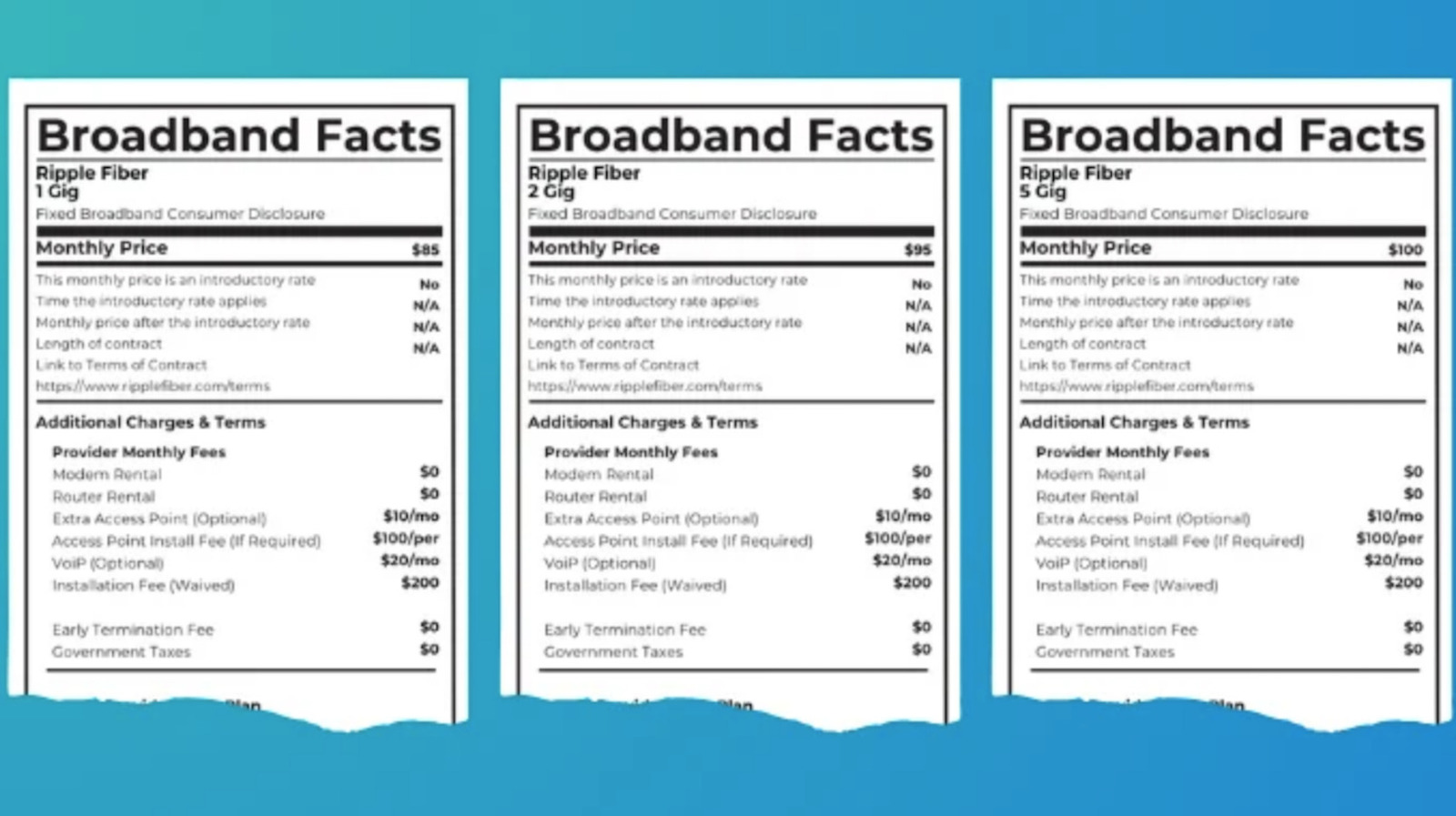
FCC Proposal Targets Transparency Rules
The Republican-led Federal Communications Commission (FCC) is advancing a proposal that would significantly weaken the broadband nutrition labels introduced during the Biden administration. According to a report by Ars Technica, the agency aims to eliminate requirements for internet service providers (ISPs) to itemize so-called "passthrough fees" — extra charges from government agencies and third-party infrastructure suppliers. Instead, ISPs would be allowed to display these fees as a single aggregate amount, either as a maximum or an "up to" figure based on location data.
Industry Lobbying and Consumer Impact
The telecom industry spent over $114 million on lobbying in 2025, the third-highest amount on record, and this proposal aligns closely with industry interests. The FCC argues that itemized fee disclosures have "become overly complex" and "frustrate or confuse consumers." However, critics contend that aggregating fees obscures the true cost of service and makes it harder for consumers to compare plans. The draft order states: "Rather than continuing to require providers to itemize 'passthrough fees' that can vary by location, we allow providers to display such fees in the aggregate."
Additional Changes to Label Requirements
The proposal includes several other modifications that further reduce transparency:
- Phone sales representatives will be allowed to "present label information conversationally" instead of providing a verbatim recitation of fees.
- ISPs will no longer be required to display labels on order pages, as long as a hyperlink is provided somewhere on the site.
- Broadband providers will no longer need to maintain machine-readable spreadsheets of price label data, making it more difficult for third parties to collect and analyze pricing information.
- The requirement for ISPs to archive all price label versions will be eliminated.

Consumer Advocacy Concerns
Consumer advocacy groups have expressed alarm over the proposed changes. They argue that the FCC's rationale — that too much detail creates "cognitive burdens" — is a pretext for allowing ISPs to hide fees. By aggregating passthrough fees, consumers may not realize how much they are paying for specific government or infrastructure costs. Moreover, allowing sales representatives to paraphrase label information could lead to omissions or misleading statements. The removal of machine-readable data requirements will hinder independent researchers and comparison shopping tools from providing accurate cost breakdowns.
Comparison to Earlier Transparency Efforts
The broadband nutrition labels were designed to mimic food nutrition labels, providing clear, standardized information about prices, fees, and performance. The Biden administration championed them as a tool to empower consumers and promote competition. The current FCC's proposal represents a significant rollback of those transparency measures. While the FCC claims the changes will simplify information for consumers, critics note that simplifying by hiding details is counterproductive.
What This Means for Consumers
If the proposal passes, consumers may see less detailed billing information and find it harder to understand the true cost of their internet service. The aggregate fee display could mask variations in fees across different locations, leading to unexpected charges. Additionally, the relaxation of label placement rules means consumers might have to actively search for pricing information rather than seeing it prominently on order pages. The elimination of archival requirements could also make it difficult to track price changes over time.
The FCC is expected to vote on the proposal in the coming months. Given the Republican majority and the industry's lobbying influence, the changes are likely to be adopted. Consumers and advocacy groups are urged to submit comments during the public comment period to voice their concerns.
This article is based on reporting by Engadget. Read the original article.
Originally published on engadget.com