A $6.2 Billion Deal and a Broken Ceiling
The Federal Communications Commission voted this week to approve Nexstar Media Group's $6.2 billion purchase of Tegna and simultaneously granted a waiver allowing the combined entity to operate well beyond the national television station ownership limit. Nexstar closed the acquisition immediately after receiving FCC approval.
The FCC's National Television Ownership Rule caps the percentage of US households that a single entity's stations can reach at 39 percent. The Nexstar-Tegna combination will reach 80 percent of US TV households, or 54.5 percent when applying the UHF discount that assigns lower weight to UHF-band stations.
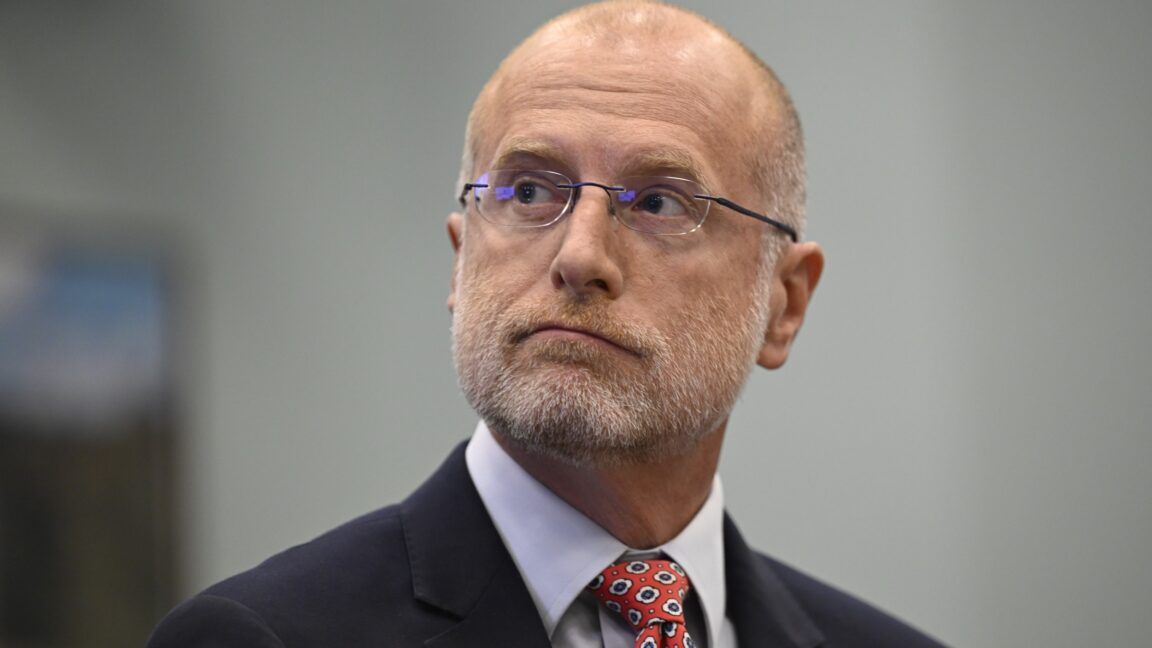
FCC Chairman Brendan Carr argued the merger would benefit local broadcasting and that the waiver was within the commission's regulatory discretion. Critics, including a coalition of state attorneys general who are challenging the deal in federal court, argue that Congress set the 39 percent limit and only Congress can change it — that the FCC's waiver authority does not extend to effectively nullifying a statutory cap.
Who Is Nexstar, and Why Does This Matter?
Nexstar is already the largest broadcast station owner in the United States, operating more than 200 television outlets in over 100 markets. Adding Tegna's 64 stations in 51 markets makes the combined company's reach unprecedented in American broadcast history. Its stations include NBC, ABC, CBS, Fox, and CW affiliates in major markets, giving it control over free over-the-air television for tens of millions of households.
For communities served by these stations, the primary concern is local news. Broadcast television remains the dominant news source for many Americans, particularly those who lack broadband access. Consolidated ownership under a single parent company creates pressure to centralize news production, cut local staff, and substitute nationally produced content for genuine community journalism.

The Political Dimension
The merger approval fits a broader pattern of FCC decision-making under the current administration. Chairman Carr has consistently favored broadcast ownership deregulation, arguing that internet competition makes traditional limits unnecessary. Critics counter that free over-the-air television and community broadcast licenses are fundamentally different from internet media and should be treated as public interest assets — not ordinary market participants for the FCC to deregulate by waiver.
The state attorneys general lawsuit will test whether the FCC has authority to grant such waivers or must seek Congressional action. Depending on the outcome, it could establish the commission's authority permanently or force divestiture of a newly integrated company — a messy outcome that opponents argue justifies stopping the acquisition before integration rather than unwinding it afterward.
This article is based on reporting by Ars Technica. Read the original article.
Originally published on arstechnica.com


