नफा सुधारला, आणि टेस्लाची परिचित कथा पुन्हा परत आली
टेस्लाने पहिल्या तिमाहीत $477 दशलक्ष नफा नोंदवला, जो एक वर्षापूर्वीच्या तुलनेत 17% अधिक आहे, तर महसूल $22.39 अब्जांवर पोहोचला, ज्यामागे ऑटोमोटिव्ह महसुलात 16% वाढ होती. Jalopnik च्या 23 एप्रिलच्या ऑटोमोटिव्ह हेडलाइन संकलनात उद्धृत केलेले हे आकडे दर्शवतात की कंपनी कठीण काळातून पुन्हा काहीशी सावरली असून आर्थिक कामगिरीबरोबरच उत्पादन-नाट्य पुन्हा जोडू शकते.
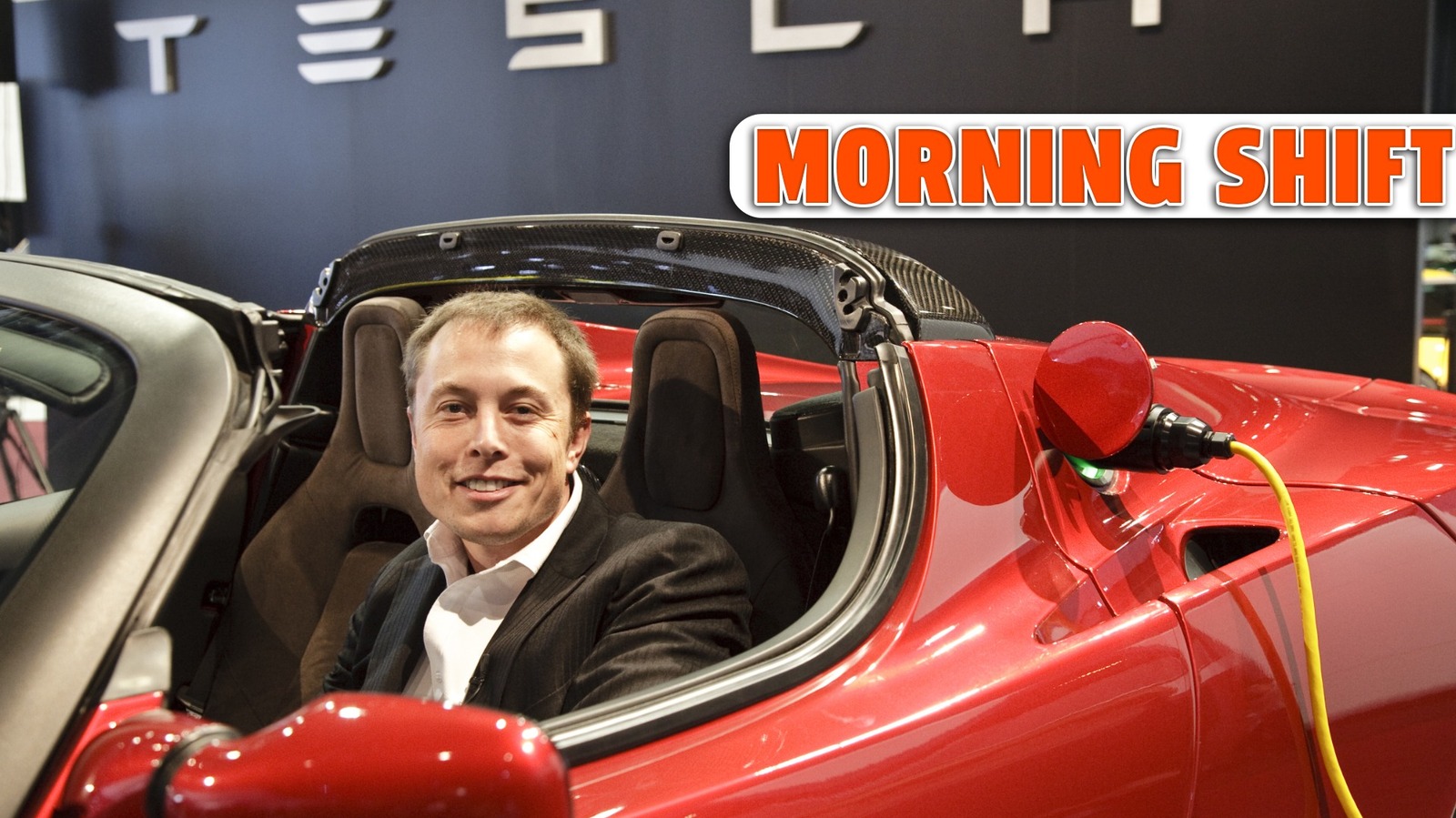
इथे उल्लेखलेले उत्पादन-नाट्य ओळखीचे आहे. टेस्लाने सुधारलेले निकाल जाहीर करताच, सीईओ एलन मस्क यांनी पुन्हा पुढच्या पिढीच्या रोडस्टरबद्दल छेड काढली, आणि कंपनी तो "एक महिन्यात किंवा त्याच्या आसपास" उघड करू शकते असे सांगितले. कोणत्याही डेमोपूर्वी गाडीला मोठ्या प्रमाणावर चाचण्या आणि प्रमाणीकरणाची गरज असेल, असेही त्यांनी म्हटले, ज्यामुळे आधीच अनेकदा बदललेल्या वेळापत्रकाला आणखी उशीर झाला.
अपेक्षेपेक्षा चांगले व्यवसायिक निकाल आणि आणखी एक रोडस्टर टीझर यांची ही जोडच खरी गोष्ट आहे. टेस्लाने फक्त सुधारणा जाहीर केली नाही. त्या सुधारण्यालाच महत्त्वाकांक्षा, देखावा आणि भविष्यातील उत्पादनांच्या कथनात लगेचच गुंफले. दीर्घकाळ टेस्लाकडे पाहणाऱ्यांसाठी यात काहीच अनपेक्षित नाही. रोडस्टर वर्षानुवर्षे वाहन आणि प्रतीक अशा दोन्ही रूपांत वावरत आला आहे: लॉन्च कॅलेंडरवरील विश्वासार्ह घटकापेक्षा, कंपनी अजूनही काय दर्शवू इच्छिते याचे वारंवार दिले जाणारे आश्वासन म्हणून.
आकडे सुधारणा दाखवतात, पण शिखरावर पूर्ण परतावा नाही
ही तिमाही महत्त्वाची आहे, कारण 2025 मधील तीव्र मंदीनंतर टेस्लाने काही गती परत मिळवली आहे याचे पुरावे ती देते. नफ्यात वर्षभराच्या तुलनेत 17% वाढ आणि ऑटोमोटिव्ह महसुलात 16% वाढ, ही आता मागे जात नसलेल्या व्यवसायाची चिन्हे आहेत. तरीही, त्याच स्रोत मजकुरात म्हटले आहे की नफा आणि महसूल अजूनही शिखर पातळीपेक्षा बरेच खाली आहेत, तर पारंपरिक वाहननिर्माते आणि चिनी कंपन्या बाजारहिस्सा मिळवतच आहेत.
रोडस्टर पुन्हा का पुढे आला आहे हे समजण्यासाठी हे मिश्रण महत्त्वाचे आहे. एखादी कंपनी सावरत असली, पण पूर्णपणे पूर्ववत न झालेली असेल, तर आकांक्षापूर्ण उत्पादने फक्त चाहत्यांचे मनोरंजन करत नाहीत. स्पर्धात्मक दबाव वाढत असतानाही आणि मुख्य व्यवसाय अधिकच स्पर्धेत सापडत असतानाही, ब्रँड अजूनही बाजारात खास स्थान राखतो आहे ही धारणा ती बळकट करू शकतात.
म्हणून टेस्लाला एकाच वेळी दोन संदेश द्यावे लागतात. एक कार्यात्मक: विक्री आणि महसूल इतके सुधारले आहेत की तिमाही कामगिरी उंचावली जाऊ शकते. दुसरा भावनिक: उद्योगातील सर्वात रोमांचक भविष्यातील यंत्रांचा निर्माता म्हणून कंपनीला अजूनही पाहिले जावे, अशी तिची इच्छा आहे.
रोडस्टर अजूनही व्यावसायिक आधारस्तंभापेक्षा कथानकात्मक संपत्ती आहे
दुसऱ्या संदेशासाठी रोडस्टर खास उपयुक्त आहे, कारण स्रोत मजकुरात उद्धृत केल्याप्रमाणे, मस्क स्वतः त्याला मोठा महसूल चालक म्हणून मांडत नाहीत. त्यांनी कंपनीच्या महसुलावर याचा मोठा परिणाम होईल अशी अपेक्षा नसल्याचे म्हटले, पण त्याच वेळी तो अतिशय छान आहे असेही सांगितले. हे बरेच काही स्पष्ट करते. टेस्लाला रोडस्टरची आर्थिक इंजिन म्हणून गरज नाही. टेस्लाला रोडस्टरची गरज एका विशिष्ट प्रतिमेसाठी आहे: तांत्रिक कौशल्य आणि उत्पादन-आकांक्षा यांनी परिभाषित कंपनी म्हणून टेस्ला टिकवण्यासाठी.
मुख्य ईव्ही बाजारांमध्ये प्रतिस्पर्धी जवळ येत असताना ही प्रतिमा अधिक मोलाची ठरते. टेस्ला पूर्वीसारखी अनन्यता जपून ठेवू शकत नसेल, तर मथळे खेचणारी वाहने आणि नाट्यमय उघडकीच्या वचनांद्वारे लक्ष वेधण्याचा प्रयत्न करू शकते. रोडस्टर त्या भूमिकेसाठी अगदी योग्य आहे, कारण ते कंपनीच्या व्यवसायाचा मोठा भाग ठरवणाऱ्या मास-मार्केट व्यवहारिकतेच्या बाहेर उभे राहते.
पण कथानकात्मक संपत्ती म्हणून उपयुक्त बनवणारे तेच गुण त्याला विश्वासार्हतेच्या चाचणीतही बदलतात. वारंवार टीझ केलेले आणि वारंवार उशीर झालेले उत्पादन साध्या भविष्यातील वचनासारखे काम करणे थांबवते. शेड्यूल घसरत गेले की, गुंतवणूकदार आणि ग्राहक व्यवस्थापनाला किती सवलत द्यायला तयार आहेत याचे ते मोजमाप बनते.
वेळापत्रकाची समस्या आता उत्पादनाचाच भाग आहे
स्रोत मजकुरानुसार, मस्क यांनी ऑक्टोबरमध्ये सांगितले होते की कार त्या वर्षाच्या अखेरीस उघड केली जाऊ शकते, नंतर 1 एप्रिल 2026 साठी डेमो डेचा इशारा दिला, आणि मार्चच्या मध्यात एप्रिलअखेर अधिक शक्य असल्याचे सांगितले. नव्या वेळापत्रकामुळे अपेक्षा पुन्हा एकदा रीसेट झाल्या आहेत. हे महत्त्वाचे आहे, कारण प्रत्येक नवा अंदाज केवळ उघडकीला विलंब लावत नाही. तो सार्वजनिक नोंदीत बदलत्या वचनांचा आणखी एक थर जोडतो.
कोणत्याही वाहननिर्मात्यासाठी विलंब होतात. टेस्लासाठी विलंब वेगळ्या प्रकारे समजले जातात, कारण कंपनीने आपली सार्वजनिक ओळख अतिशय असामान्य दावे आणि महत्त्वाकांक्षी वेळापत्रकांवर उभी केली आहे. रोडस्टरचे दीर्घकाळ वचन दिलेले उत्पादन म्हणून असणे म्हणजे, प्रत्येक नवीन उल्लेख केवळ उत्साहाने नव्हे तर जमा झालेल्या संशयासहही पाहिला जातो.
तरीही, मस्कना वाटते की अखेरीस होणारे उघड, ते कधीही आले तरी, लोकांची कल्पना पुन्हा पकडेल. त्यांनी त्याला कदाचित आतापर्यंतच्या सर्वात रोमांचक उत्पादन उघडकींपैकी एक असे म्हटले असल्याचे नोंदवले गेले आहे. हे मांडणी टेस्लाच्या संवादशैलीशी जुळते. कंपनी आपली प्रमुख उत्पादने कधीच केवळ टप्प्याटप्प्याने सुधारणारी म्हणून सादर करत नाही. ती त्यांना घटनांसारखे सादर करते.
पुनरुज्जीवन आणि टीझ एकत्र का आले
आर्थिक पुनरुज्जीवन आणि रोडस्टर टीझर एकाच संभाषणात येण्यामागे एक व्यावहारिक कारण आहे. चांगले तिमाही आकडे टेस्लाला बाजाराचे लक्ष बचावात्मक स्पष्टीकरणांऐवजी भविष्यातील शक्यतांकडे वळवण्यासाठी जागा देतात. अपेक्षा चुकवणारी कंपनी दूरच्या उत्पादनांवर अवलंबून राहिली तर ती प्रतिक्रियात्मक दिसते. नुकतेच सुधारलेले निकाल जाहीर केलेली कंपनी तोच डाव अधिक मजबूत स्थितीतून खेळू शकते.
यामुळे स्रोत मजकुरात वर्णन केलेली स्पर्धात्मक वास्तविकता नाहीशी होत नाही. पारंपरिक वाहननिर्माते आणि चिनी उत्पादक अजूनही हिस्सा मिळवत आहेत. टेस्लाचा नफा आणि महसूल आधीच्या उच्चांकांपेक्षा खालीच आहेत. आणि रोडस्टर स्वतः अजूनही विक्रीसाठी तयार उत्पादन नाही. पण आता कमकुवत तिमाही वाचवण्यासाठी कंपनीला या कारची गरज नाही. ती त्याचा वापर पुनरुज्जीवनाच्या कथेला बळ देण्यासाठी करू शकते.
ही एक चांगली धोरणात्मक भूमिका आहे. म्हणजेच, टेस्ला सध्याच्या परिस्थितीला स्थिर ठेवत भविष्यासाठी विक्रीही करू शकते. बाजार हे सूत्र किती काळ स्वीकारतो, हे अंमलबजावणी आणि संयमावर अवलंबून असेल.
ही घटना टेस्लाबद्दल आत्ता काय सांगते
एप्रिलची तिमाही आणि रोडस्टरवरील टिप्पण्या मिळून टेस्लाची सध्याची अवस्था अधोरेखित करतात. ती अजूनही इतकी सक्षम आहे की पुनरुज्जीवन घडवू शकेल आणि मथळे मिळवू शकेल. ती अजूनही इतकी प्रभावी आहे की अस्पष्ट उत्पादन वेळापत्रकही लक्ष वळवू शकते. आणि ती अजूनही त्या ताणात अडकलेली आहे, जो अनेक वर्षांपासून कंपनीबरोबर आहे: ब्रँड परिभाषित करण्यासाठी जितके अधिक दूरदर्शी वचनांवर अवलंबून राहिले जाईल, तितके वेळापत्रक घसरल्यावर ती वचनेच दायित्व बनतात.
सध्या, किमान उद्धृत आकड्यांमध्ये तरी, पुनरुज्जीवन खरे आहे. रोडस्टरचा विलंब चक्रही तितकाच खरा आहे. दोन्ही गोष्टी एकाच वेळी सत्य असू शकतात. टेस्लाने आपली तिमाही सुधारली आहे. पण आपण अजूनही खास आहोत हे बाजाराला आठवण्यासाठी जुन्या भविष्यात हात घालण्याची सवय तिने अद्याप सोडलेली नाही.
पुढे काय पाहायचे
- रोडस्टरच्या नवीनतम उघडकीच्या खिडकीवर टेस्ला खरोखरच उतरते का.
- 2026 च्या उर्वरित काळात पहिल्या तिमाहीतील कमाईतील पुनरुज्जीवन किती टिकाऊ ठरते.
- गुंतवणूकदार सध्याच्या कार्यप्रदर्शनासोबत भविष्यातील उत्पादन-नैराश्यांच्या कथनांनाही बक्षीस देत राहतात का.
- वाढती स्पर्धा टेस्लाची प्रदर्शनातून टिकाऊ फायदा निर्माण करण्याची क्षमता कशी बदलते.
हा लेख Jalopnik च्या वृत्तांकनावर आधारित आहे. मूळ लेख वाचा.
Originally published on jalopnik.com