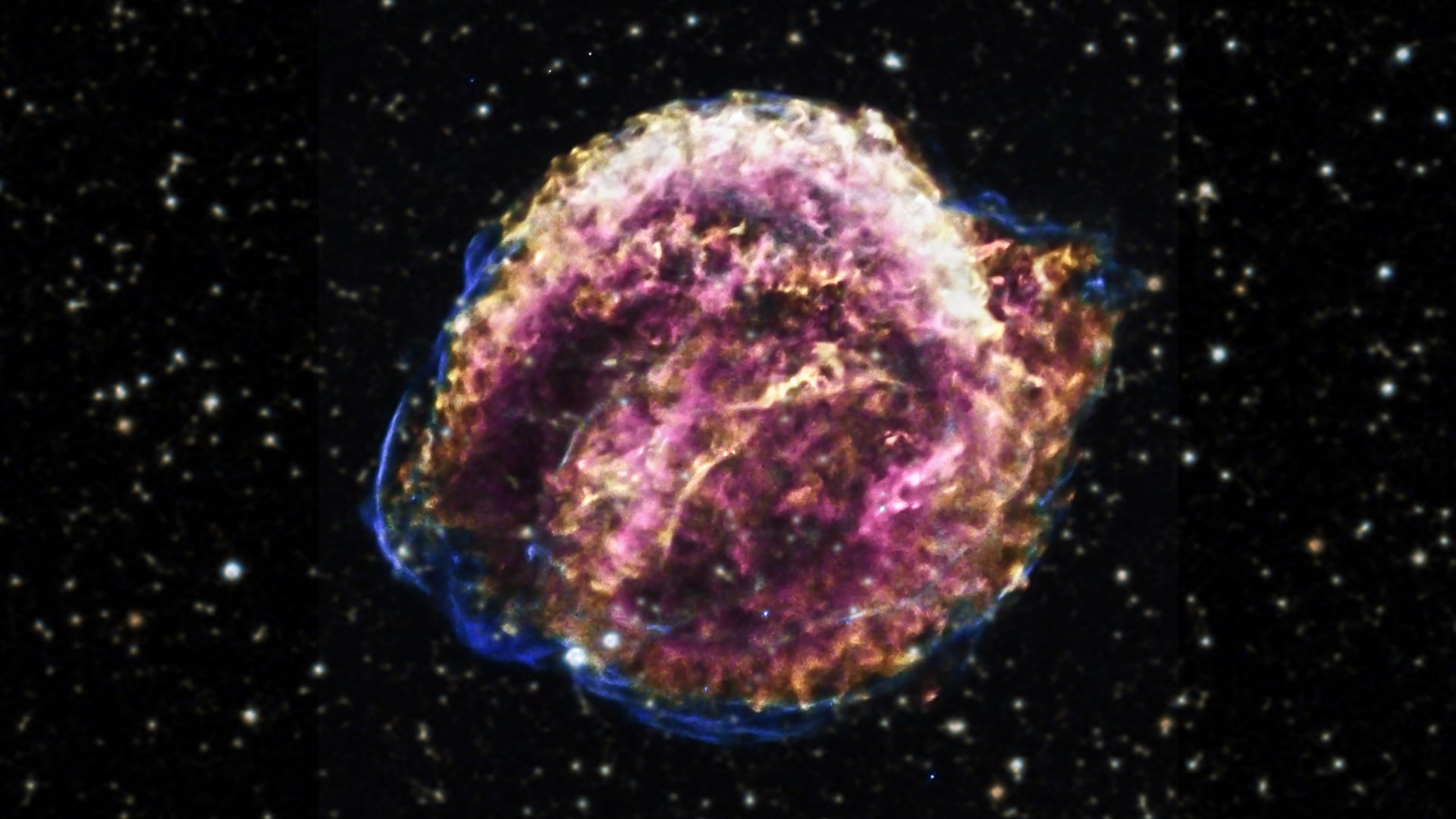
चंद्राच्या ढवळलेल्या पृष्ठभागावर अजूनही प्राचीन तारकीय स्फोटांची वाचता येण्यासारखी नोंद असू शकते
दीर्घकालीन ब्रह्मांडीय घटनांसाठी चंद्र हा पृथ्वीपेक्षा अधिक स्वच्छ अभिलेख म्हणून अनेकदा वर्णन केला जातो. पण त्या अभिलेखासोबत एक मोठी गुंतागुंत आहे: तो लाखो वर्षांपासून सतत ढवळून निघाला आहे. Universe Today ने अधोरेखित केलेला एक नवा अभ्यास असा युक्तिवाद करतो की ही मिश्रणाची समस्या केवळ हाताळण्याजोगीच नाही, तर तिचे मॉडेलही तयार करता येते. त्यामुळे भविष्यातील चंद्र मोहिमांना चंद्र रेजोलिथमधून खूप पूर्वीच्या सुपरनोव्हा स्फोटांचे अधिक स्पष्ट पुरावे मिळवण्याचा मार्ग खुला होतो.
हवाई विद्यापीठाच्या इन्स्टिट्यूट ऑफ जिओफिजिक्स अँड प्लॅनेटॉलॉजी येथील शास्त्रज्ञांच्या नेतृत्वाखाली केलेले हे काम impact gardening म्हणून ओळखल्या जाणाऱ्या प्रक्रियेवर केंद्रित आहे. सूक्ष्म धूळकणांपासून मोठ्या लघुग्रहांपर्यंतच्या धडकेमुळे चंद्र पृष्ठभागावरील पदार्थाचे सातत्याने उलथापालथ होणे, फिरणे आणि पुनर्वितरण होणे, यालाच हा शब्द सूचित करतो. प्रत्येक आघात रेजोलिथ ढवळतो आणि खालील थरांची मूळ रचना हळूहळू विस्कळीत करतो.
ही सततची पुनर्मांडणी चंद्र कोरना स्वच्छ ऐतिहासिक नोंद म्हणून वापरू पाहणाऱ्यांसाठी समस्या ठरते. चंद्रावरील प्रत्येक ठिकाण वेगवेगळ्या प्रकारे मिसळले गेले असेल, तर एकच कोर नमुना ब्रह्मांडीय घटनांच्या सरळ कालरेषेपेक्षा अतिशय स्थानिक बॉम्बार्डमेंट इतिहास दर्शवू शकतो. संशोधकांचा प्रतिसाद म्हणजे एक स्टोकॅस्टिक मॉडेल, जे त्या स्थानिक व्यत्ययांना व्यापक आंतरतारकीय संकेतांपासून वेगळे करण्यासाठी तयार केले आहे.
ब्रह्मांडीय इतिहासासाठी चंद्र माती का महत्त्वाची आहे
मोठे तारे सुपरनोव्हा म्हणून मृत्युमुखी पडल्यावर, ते आपल्या आयुष्यात तसेच स्फोटात तयार झालेले पदार्थ बाहेर फेकतात. स्रोत मजकुरानुसार, त्या अवशेषांमध्ये iron, nickel, zinc, uranium, plutonium, iodine, hafnium, आणि curium यांसारख्या घटकांशी संबंधित किरणोत्सर्गी आयसोटोप्स समाविष्ट असतात. त्या पदार्थापैकी काही भाग अखेरीस सौरमालेत पोहोचला आणि पृथ्वीच्या समुद्रतळासह चंद्राच्या पृष्ठभागावर आणि इतर ग्रहांवर साचला.
पृथ्वीवर, भूगर्भीय आणि पर्यावरणीय प्रक्रिया त्यांना झटपट झाकून टाकतात किंवा पुन्हा प्रक्रिया करतात, त्यामुळे अशा निक्षेपांना स्थिर आणि सहज उपलब्ध स्वरूपात जपणे कठीण असते. चंद्र वेगळे वातावरण देतो. हवामान, महासागर, आणि सक्रिय प्लेट टेक्टॉनिक्स नसल्यामुळे, त्याचा पृष्ठभाग खूपच दीर्घ आणि अधिक सलग नोंद राखू शकतो. स्रोत मजकुरात म्हटले आहे की चंद्र रेजोलिथ सुमारे 80 ते 100 दशलक्ष वर्षे किंवा त्याहून अधिक काळाचा इतिहास जतन करू शकतो.
यामुळे चंद्र केवळ अन्वेषण उपकरणे किंवा मानवी परतावा मोहिमांसाठीचे ठिकाण राहत नाही. तो सौरमाला आकाशगंगेतून कशी गेली याचा आणि अवकाशाला किरणोत्सर्गी अवशेषांनी समृद्ध करणाऱ्या जवळच्या स्फोटक घटनांचा वैज्ञानिक अभिलेखही बनतो. प्रश्न नोंद अस्तित्वात आहे का हा नाही, तर वारंवार विस्कळीत झालेल्या त्या नोंदीचे शास्त्रज्ञ वाचन करू शकतील का, हा आहे.
उत्तम नमुना स्थळे निवडण्यासाठी एक मॉडेल
या नव्या कामाचे महत्त्व म्हणजे ही विस्कळीतता केवळ काळजीचा विषय न ठेवता, संशोधकांना गृहित धरता येईल अशा गोष्टीत रूपांतरित करणे. भविष्यातील चंद्र अन्वेषकांना कोर नमुन्यासाठी चांगली ठिकाणे ओळखण्यास आणि त्यांनी काय शोधले याचे अधिक सांख्यिकीय खात्रीने विश्लेषण करण्यास मदत करण्यासाठी या संघाचे मॉडेल तयार केले आहे.
हे महत्त्वाचे आहे, कारण प्राचीन आयसोटोप सिग्नेचर्ससाठी चंद्रावर ड्रिल करणाऱ्या कोणत्याही भविष्यातील मोहिमेला एक व्यावहारिक मर्यादा असेल: ती केवळ मर्यादित संख्येनेच कोर गोळा करू शकेल. कुठे नमुना घ्यायचा हे नंतर होणाऱ्या प्रयोगशाळा विश्लेषणाइतकेच महत्त्वाचे ठरते. विशेषतः गुंतागुंतीचा आघात-इतिहास असलेले ठिकाण शास्त्रज्ञ मोजू पाहत असलेल्या संकेताचा वेळ आणि तीव्रता धूसर करू शकते.
रेजोलिथ मिश्रणाला संभाव्यतावादी पद्धतीने मॉडेल करता येणारी प्रक्रिया मानून, हा अभ्यास पदार्थ किती खोलवर ढवळला गेला आहे आणि स्थानिक परिस्थिती संरक्षित नोंदीत किती बदल घडवू शकतात याचा अंदाज घेण्याचा मार्ग देतो. प्रत्यक्षात, यामुळे मोहिमेचे नियोजक आशादायक अभिलेख आणि दिशाभूल करणारा अभिलेख यांच्यात फरक करू शकतील.
स्रोत मजकूर हे भविष्यातील अधिक खोल कोर घेऊन परतणाऱ्या अंतराळवीरांसाठीचे साधन म्हणून मांडतो. त्यामुळे या कामाला स्पष्ट अन्वेषण संदर्भ मिळतो. आर्टेमिस युगातील चंद्र मोहिमा अनेकदा पायाभूत सुविधा, हालचाल, आणि मानवी कामकाजाच्या दृष्टीने चर्चिल्या जातात. हे संशोधन मूल्याचा आणखी एक स्तर दाखवते: सौरमालेच्या भूतकाळातील घटना पुन्हा उभारण्यासाठी चंद्राला काळजीपूर्वक लक्ष्य केलेले वैज्ञानिक ड्रिलिंग स्थळ म्हणून पाहणे.
भविष्यातील मोहिमा काय मिळवू शकतात
जर हा दृष्टिकोन यशस्वी ठरला, तर तो चंद्राच्या सर्वात रंजक वैज्ञानिक भूमिकांपैकी एक अधिक स्पष्ट करू शकतो. केवळ स्वतःमध्ये अभ्यासायच्या जवळच्या ग्रह-देहाप्रमाणे न राहता, तो अन्यथा पुनर्निर्माण करणे कठीण अशा खगोलीय घटनांचा बाह्य नोंदवहीकार म्हणूनही काम करू शकतो. चंद्र धुळीत जतन झालेले सुपरनोव्हा अवशेष शास्त्रज्ञांना सौरमालेच्या शेजारात अशा घटनांची वेळ, वितरण आणि संभाव्य वारंवारता अधिक चांगल्या प्रकारे समजून घेण्यास मदत करू शकतात.
याचा फायदा व्यापक असू शकतो. किरणोत्सर्गी आयसोटोप थरांचे अधिक चांगले वाचन तारकीय स्फोट आंतरतारकीय अवकाशात पदार्थ कसा पसरवतात यावरील मॉडेल्स सुधारू शकते. तसेच सौरमाला कधी अवशेषसमृद्ध आकाशगंगीय प्रदेशांतून गेली, याचे पुनर्निर्माणही ते सुधारू शकतात. हे प्रश्न चंद्र विज्ञान, खगोलभौतिकी, आणि ग्रहांच्या इतिहासाला जोडतात.
तितकेच महत्त्वाचे म्हणजे, भविष्यातील चंद्र नमुना संकलन हे रॉकेट्स आणि ड्रिल्सइतकेच अर्थ लावण्याच्या चौकटींवर अवलंबून असेल, हे या अभ्यासातून अधोरेखित होते. कोर नमुना जितका उपयुक्त, तितकाच तो समजून घेण्यासाठी वापरलेला मॉडेल महत्त्वाचा, जो त्याचे थर काळानुसार कसे तयार झाले आणि कसे बिघडले हे सांगतो.
दूरून पाहता चंद्राचा पृष्ठभाग स्थिर वाटू शकतो, पण येथे वर्णन केलेले संशोधन त्याला धडकांमुळे वारंवार संपादित होणारी गतिमान नोंद मानते. शास्त्रज्ञांनी ते संपादन यशस्वीरित्या लक्षात घेतले, तर प्राचीन ब्रह्मांडीय हिंसाचाराचा माग काढण्यासाठी उपलब्ध असलेल्या सर्वात मौल्यवान दीर्घकालीन अभिलेखांपैकी चंद्र धूळ एक बनू शकते.
- हा अभ्यास impact gardening या प्रक्रियेवर लक्ष केंद्रित करतो, जी कालांतराने चंद्र रेजोलिथमध्ये मिसळ घडवते.
- स्थानिक आघात-इतिहास आणि व्यापक आंतरतारकीय संकेत यांना वेगळे करण्यासाठी संशोधकांनी एक स्टोकॅस्टिक मॉडेल विकसित केले.
- चंद्र रेजोलिथ सुपरनोव्हा-जन्य किरणोत्सर्गी आयसोटोप्सचे पुरावे लाखो वर्षे जपू शकतो.
- हे काम भविष्यातील अन्वेषकांना चंद्रावर खोल कोर नमुना घेण्यासाठी चांगली स्थळे निवडण्यास मदत करू शकते.
हा लेख Universe Today च्या वृत्तांकनावर आधारित आहे. मूळ लेख वाचा.
Originally published on universetoday.com