Introduction
When Hurricane Dorian slammed into the Bahamas on Sept. 1, 2019, its Category 5 winds devastated two islands over three days, destroyed infrastructure, left thousands missing or homeless, and caused more than 70 recorded deaths. For the journalists on the ground, covering the storm was a transformative experience that reshaped their professional roles and personal understanding of disaster reporting. A new study from the University of Miami explores how these journalists navigated trauma, danger, and human suffering, ultimately changing the way they approach their work.
The Study's Background
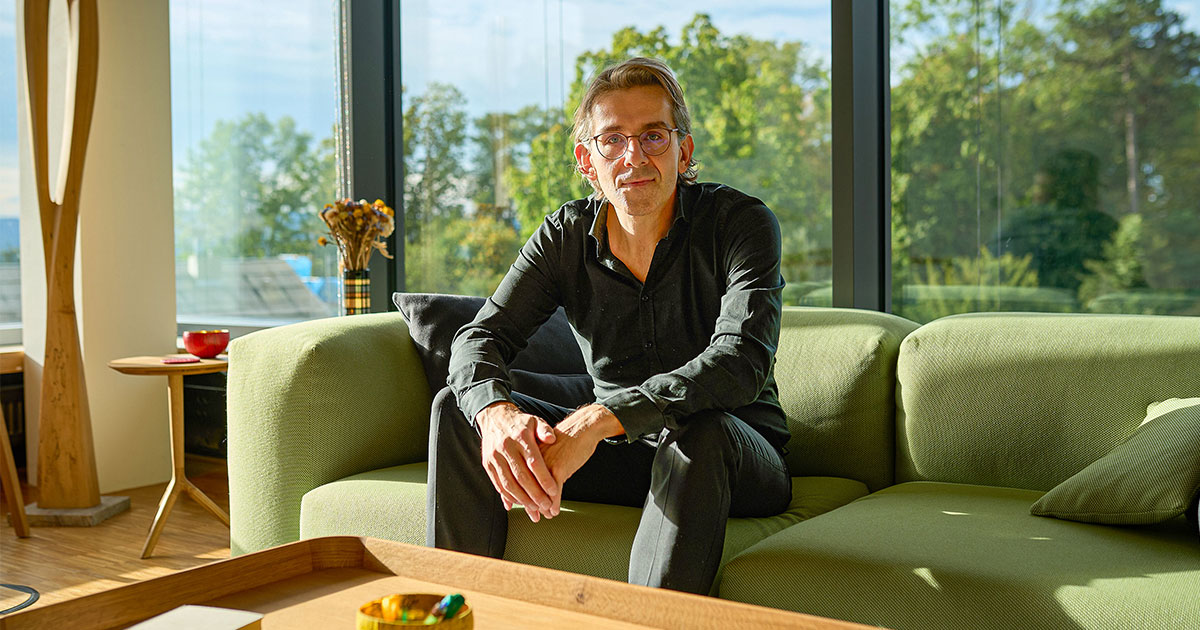
Bahamian-born Kyle Walkine, an instructor at the University of Miami School of Communication and a 2026 Ph.D. graduate, partnered with Sallie Hughes, professor and chair of the Department of Journalism and Media Management, to study how covering Hurricane Dorian influenced journalists' understanding and performance of their professional roles. Their study, titled "Professional role negotiation after traumatic events: Bahamian journalists' constructions of duties to others and themselves after Hurricane Dorian," was published in the peer-reviewed academic journal Journalism.
The article examines how 11 Bahamian journalists in the hardest-hit areas balanced their responsibility to report the news with the realities of trauma, danger, and human suffering. It finds that many adapted their practices in the moment—sometimes prioritizing saving lives—and became more reflective about how to report on people experiencing trauma.

Key Findings
A major finding is that journalism during disasters extends beyond traditional reporting. Witnessing widespread devastation prompted several participants to reconsider their professional duties. Many journalists described feeling unprepared for the emotional and physical challenges they faced. Walkine, who covered Dorian for The Nassau Guardian/Our News, noted, "The way this storm moved and intensified so quickly, it turned into something that we never expected."
The study highlights that journalists often acted as first responders, providing aid and assisting with evacuations before filing their reports. This role negotiation—shifting from objective observer to active participant—was a common theme. Hughes emphasized, "Studies like this help identify how journalists are adapting to protect themselves and use trauma-sensitive reporting practices as they fulfill a public service mission during potential disasters such as powerful hurricanes. They also show that journalists—like other responders—need preparation but often do not receive it."
Implications for Disaster Reporting
The findings have significant implications for journalism training and mental health support. As climate change increases the frequency and intensity of natural disasters, journalists will continue to face traumatic situations. The study calls for better preparation, including trauma-informed reporting techniques and psychological support for journalists in the field.
Walkine and Hughes argue that news organizations should invest in pre-deployment training that covers emotional resilience, ethical decision-making under pressure, and practical safety measures. They also recommend that journalists be given access to mental health resources after covering disasters.

Conclusion
Hurricane Dorian was a watershed moment for disaster journalism. The study from the University of Miami provides valuable insights into how journalists adapt their professional roles in extreme circumstances. By prioritizing human life and adopting trauma-sensitive approaches, these journalists are redefining what it means to report the news in an era of escalating climate threats. Their experiences offer a blueprint for how the media can better serve communities during crises while protecting the well-being of those who bring us the stories.
This article is based on reporting by Phys.org. Read the original article.
Originally published on phys.org