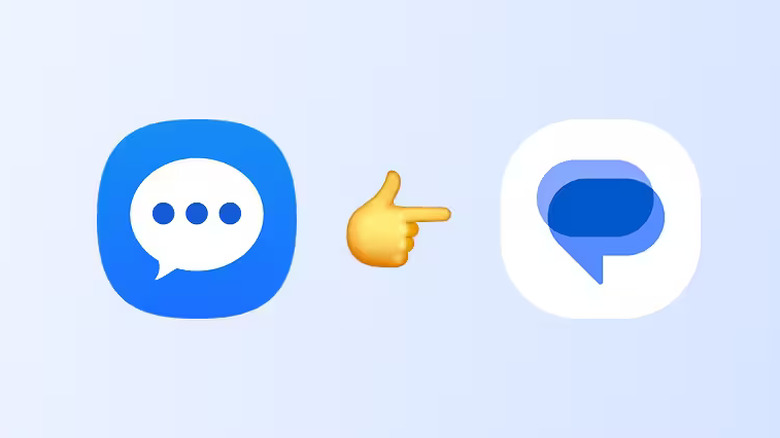
Samsung is finishing a transition that has been underway for years
Samsung has put a timeline on a shift that was already visible across its recent phones: the company’s own Messages app is headed for shutdown, with end of service scheduled for July. Users are being directed toward Google Messages instead, closing the loop on a migration Samsung has been making gradually through device defaults and preinstalled software choices.
The move is notable less because it is surprising than because it is now explicit. Samsung had already stopped preloading its own messaging app on newer flagship devices and installed Google Messages by default on models including recent Galaxy foldables and the Galaxy S25 series. What changes now is that the fallback option is disappearing. For users still on Samsung Messages, the question is no longer whether the company prefers Google’s platform. It is when they finish the switch.
That matters because messaging is one of the stickiest services on any smartphone. Even small platform changes affect daily behavior, cross-device continuity, and user expectations about features. By setting an end-of-service path, Samsung is signaling that its long coexistence strategy is over.
Why Samsung is consolidating around Google
The practical case for the move is straightforward. Google Messages gives Samsung users access to RCS-based features that have become central to the modern Android messaging experience, including higher-quality media sharing, group chats, and real-time typing indicators across platforms. It also helps align Samsung’s phones more tightly with the broader Android ecosystem rather than maintaining a parallel app with overlapping functions.
There is an ecosystem logic here as well. A unified default messaging experience makes it easier for users to move conversations across phones, tablets, and watches. That interoperability is increasingly valuable as device makers try to strengthen multi-device engagement without forcing customers to learn separate workflows for each screen.
Samsung Messages did offer its own customization options, which some users may miss. But Samsung appears to have concluded that the benefits of standardization outweigh the value of maintaining an in-house alternative. That is consistent with a wider industry pattern in which hardware makers selectively reduce duplication when a platform-level service becomes good enough, widely adopted enough, or strategically useful enough to take precedence.
What this says about Android messaging
The retirement of Samsung Messages is also another marker in the long consolidation of Android messaging around Google’s preferred stack. For years, Android’s messaging experience was fragmented across manufacturers, apps, and inconsistent standards. The industry’s push toward RCS, along with Google’s own persistence, has gradually narrowed that field.
Samsung’s decision therefore has significance beyond one app. It strengthens the idea that major Android manufacturers are increasingly willing to accept shared core services where differentiation offers limited return. Hardware, camera systems, industrial design, and AI features may remain areas of direct competition. Basic messaging is moving in the opposite direction, toward convergence.
For users, the main effect will be practical. Those who have stayed with Samsung Messages will need to transition, and some interface habits will change. But the shift is unlikely to feel abrupt to many Galaxy owners because the default software path has already been moving this way for several product generations.
July now stands as the formal end point for that transition. Samsung is not just recommending Google Messages anymore; it is structurally clearing the field for it. That closes a chapter in Samsung’s software strategy and reinforces a broader reality in the Android market: when core communication services standardize, even the largest manufacturers may decide it is better to align than to keep competing app by app.
- Samsung says its Messages app will no longer be available by July.
- The company is steering users to Google Messages, which it has already been preloading on newer devices.
- The move reflects broader consolidation around shared Android messaging standards and services.
This article is based on reporting by Engadget. Read the original article.
Originally published on engadget.com
