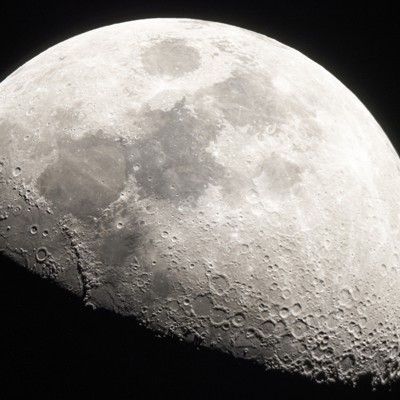
असामान्यपणे कमी मुदती असलेले धोरण-स्मरणपत्र
व्हाइट हाऊसने पेंटागन आणि NASA ला अंतराळातील अणुभट्ट्यांच्या योजनांना गती देण्यास सांगितले आहे, त्यामुळे ही तंत्रज्ञान दूरगामी आकांक्षेतून जवळच्या काळातील कार्यक्रम नियोजनात आले आहे. Defense One नुसार, नव्या सहा पानांच्या धोरण-स्मरणपत्रात दुहेरी डिझाइन स्पर्धेचे आवाहन आहे, ज्यातून कक्षेत आणि चंद्राच्या पृष्ठभागावर कमी ते मध्यम क्षमतेच्या अवकाश अणुभट्ट्यांचे जवळच्या काळातील प्रदर्शन आणि वापर साध्य होईल.
वेळापत्रक आक्रमक आहे. धोरणात म्हटले आहे की एजन्सींनी 2028 पर्यंत कक्षेत आणि 2030 पर्यंत चंद्रावर अणुभट्ट्या तैनात करण्याचे लक्ष्य ठेवावे. हे केवळ रस व्यक्त करणे नाही. हा मुदत-आधारित आदेश आहे, जो संकुचित कालावधीत ठोस उपयोग-केस विकास, एजन्सी समन्वय, आणि खासगी क्षेत्राशी संलग्नता घडवून आणण्यासाठी आहे.
स्मरणपत्र हा प्रयत्न व्यापक शब्दांत मांडते, की अमेरिका अन्वेषण, वाणिज्य, आणि संरक्षणासाठी अवकाश अणुऊर्जेच्या विकास आणि तैनातीमध्ये आघाडी घेईल. व्हाइट हाऊस ऑफिस ऑफ सायन्स अँड टेक्नॉलॉजी पॉलिसीचे संचालक Michael Kratsios यांनी या हालचालीला प्रशासनाच्या व्यापक U.S. space superiority सुनिश्चित करण्याच्या प्रयत्नाशी जोडले.
अवकाश नियोजनाच्या केंद्रात अणुऊर्जा पुन्हा का
अवकाश मोहिमांना नेहमीच ऊर्जेच्या समस्येला सामोरे जावे लागले आहे. सौरऊर्जा अनेक ठिकाणी चांगली काम करते, पण प्रत्येक mission profile ला panels, batteries, आणि सूर्यप्रकाशाचा ठराविक संपर्क याने उत्तर मिळत नाही. दीर्घकालीन कार्ये, ऊर्जा-खाऊ payloads, आणि चंद्राच्या पृष्ठभागावरील कामकाज यांमुळे दाव वाढतो. नवीन धोरण असे मानते की भविष्यातील नागरी आणि लष्करी महत्त्वाकांक्षांसाठी अधिक टिकाऊ, अधिक output असलेले ऊर्जा स्रोत आवश्यक असतील.
अवकाशातील अणुऊर्जा चंद्र, Mars, आणि त्यापुढे स्थिर robotic आणि नंतर मानवी उपस्थितीसाठी आवश्यक सातत्यपूर्ण वीज, उष्णता, आणि propulsion देऊ शकते, असे Kratsios म्हणाले. ही मांडणी महत्त्वाची आहे कारण ती power generation ला सहाय्यक तंत्रज्ञान म्हणून न मांडता धोरणाच्या केंद्रात ठेवते. प्रशासन मुळात सांगत आहे की अवकाशात टिकून राहण्यासाठी आधी ऊर्जा पुरवठ्याचा प्रश्न सोडवावा लागेल.
NASA साठी ही भूमिका दीर्घकालीन exploration architecture शी जोडलेली आहे. पेंटागनसाठी ती resilience, persistence, आणि ऊर्जा-भुकेल्या mission systems शी जोडलेली आहे. एकच reactor class विविध mission setना आधार देऊ शकते; पण धोरण सूचित करते की सरकार आता दोन्ही एजन्सींनी समांतरपणे पुढे जावे, वेगवेगळ्या वेळापत्रकांवर नव्हे.
तत्परता संरक्षण क्षेत्रामुळे वाढत आहे
Defense One च्या अहवालातून स्पष्ट होते की लष्करी उपयोग-केस हा या पुढाकाराचा मोठा भाग आहे. American Enterprise Institute चे Todd Harrison म्हणाले की विश्वासार्ह अवकाश-आधारित शक्ती भविष्यातील लष्करी कार्यांना आधार देऊ शकते, ज्यात data centers, mission-critical systems, missile warning, strategic communications, directed energy, आणि jamming यांचा समावेश आहे. ही काठावरील अनुप्रयोग नाहीत. कक्षेत भविष्यातील स्पर्धा कशी असेल याच्या केंद्राशी ही संकल्पना जुळते.
हे महत्त्वाचे आहे, कारण अवकाश धोरण आता प्रतीकात्मक नेतृत्वातून कार्यात्मक फायद्याकडे सरकत आहे. कक्षेत एक reactor केवळ दूरच्या अन्वेषणाला सक्षम करण्याबद्दल नाही. तो अशा प्रणालींना ऊर्जा देण्याबद्दलही आहे ज्यांना व्यत्यय आणणे कठीण आणि वादग्रस्त वातावरणात महत्त्वाचे ठरू शकते. अमेरिकी लष्कर भविष्यातील अवकाश पायाभूत सुविधांकडून computing, sensing, communications, आणि defense कामे हाताळण्याची अपेक्षा जितकी वाढवते, तितका ऊर्जेचा पुरवठा strategic bottleneck बनतो.
व्हाइट हाऊस या bottleneck ला कार्यक्रम-व्याख्या जलद करून उत्तर देत आहे, असे दिसते. 90 दिवसांच्या आत, पेंटागनला Office of Science and Technology Policy, Office of Management and Budget, आणि National Security Council ला संबंधित उपयोग-केस, payloads, आणि 2031 mission चा सर्वोत्तम वापर यावर brief करावे लागेल. हा आदेश दाखवतो की प्रशासन mission requirements इतक्या लवकर निश्चित करू इच्छित आहे की ते procurement आणि demonstration plans ना आकार देतील, त्यांच्या मागे चालणार नाहीत.
तांत्रिक आणि राजकीय जोखमींसह एक सार्वजनिक-खासगी स्पर्धा
स्मरणपत्र खासगी क्षेत्रातील नवप्रवर्तकांसोबत खर्च-कार्यक्षम भागीदारींवरही भर देते. हे अमेरिकी अवकाश क्षेत्र ज्या पद्धतीने चालते त्यास सुसंगत आहे: सरकार उद्दिष्टे आणि प्रारंभिक मागणी ठरवते, तर commercial firms घटक, launch services, spacecraft, किंवा integrated systems पुरवण्यासाठी स्पर्धा करतात. एक design competition reactor संकल्पनांना प्रयोगशाळेतून प्रत्यक्ष कार्यरत वातावरणात आणू शकते.
पण धोरणाची गती खरी आव्हाने निर्माण करते. अवकाश अणु प्रणालींना तांत्रिक, नियामक, आणि राजकीय अडथळे पार करावे लागतील, जे अनेक इतर अवकाश तंत्रज्ञानांपेक्षा खूप उच्च आहेत. सुरक्षा, launch risk, reactor shielding, thermal management, आणि mission assurance हे सर्व अणु प्रणालींचा संबंध आला की संवेदनशील मुद्दे बनतात. लक्ष्य कमी- ते मध्यम-शक्तीचा reactor असला तरी, तयार असल्याचे सिद्ध करण्याचे ओझे मोठे असेल.
संस्थात्मक समन्वयाचाही प्रश्न आहे. NASA आणि पेंटागन नेहमी एकाच mission logic, budget structure, किंवा risk tolerance सह काम करत नाहीत. एक dual design competition लक्ष केंद्रित करून प्रगती गतीमान करू शकते, पण त्यासाठी technical standards, launch assumptions, आणि operational objectives मध्ये सुसंगती आवश्यक आहे. वेळापत्रक जितके कठोर असेल, अस्पष्ट requirements किंवा interagency drift साठी तितकीच कमी जागा राहील.
आता काय बदलते
या स्मरणपत्राचा सर्वात तात्काळ परिणाम म्हणजे रिएक्टर्स अचानक कक्षेत दिसणार आहेत असे नाही. उलट, अणुऊर्जेला अवकाशातील निकट-कालीन राष्ट्रीय प्राधान्याचा दर्जा मिळाला आहे. वेळापत्रक bureaucracy ला आकार देतात. एकदा 2028, 2030, 2031 यांसारख्या तारखा व्हाइट हाऊस निर्देशात आल्या की, एजन्सींना अमूर्त रसाला roadmap, payload decisions, आणि budget arguments मध्ये रूपांतरित करावे लागते.
धोरण स्पर्धात्मक क्षेत्रही बदलते. लहान reactors, space power systems, आणि संबंधित पायाभूत सुविधांवर काम करणाऱ्या कंपन्यांना आता Washington near-term demonstrations बद्दल गंभीर आहे, असा अधिक स्पष्ट संकेत मिळतो. यामुळे contract किंवा यशस्वी hardware ची हमी मिळत नाही, पण कोणत्या तंत्रज्ञानांना strategic महत्त्व येऊ शकते याबद्दल बाजाराची जाणीव स्पष्ट होते.
मित्रदेशे आणि प्रतिस्पर्ध्यांसाठीही संदेश अधिक व्यापक आहे. अमेरिकी सरकार अवकाशातील high-output power ला भविष्यातील उपस्थिती आणि प्रभावाचा पाया मानत आहे. पहिले प्रदर्शन वेळेत आली किंवा मागे पडली, तरी हे धोरण अवकाश अणुऊर्जेला दूरवरच्या सक्षमकर्त्या म्हणून न पाहता, तातडीच्या क्षमतात्मक आव्हान म्हणून पाहण्याकडे बदल दाखवते.
तो बदल टिकून राहिला, तर खरा मुद्दा केवळ अणुभट्ट्यांबद्दल नसेल. तो अवकाश पायाभूत सुविधांकडून काय अपेक्षित आहे, आणि Washington ती किती लवकर उभारू इच्छिते, याच्या पुनर्परिभाषेबद्दल असेल.
हा लेख Defense One च्या वृत्तांकनावर आधारित आहे. मूळ लेख वाचा.
Originally published on defenseone.com