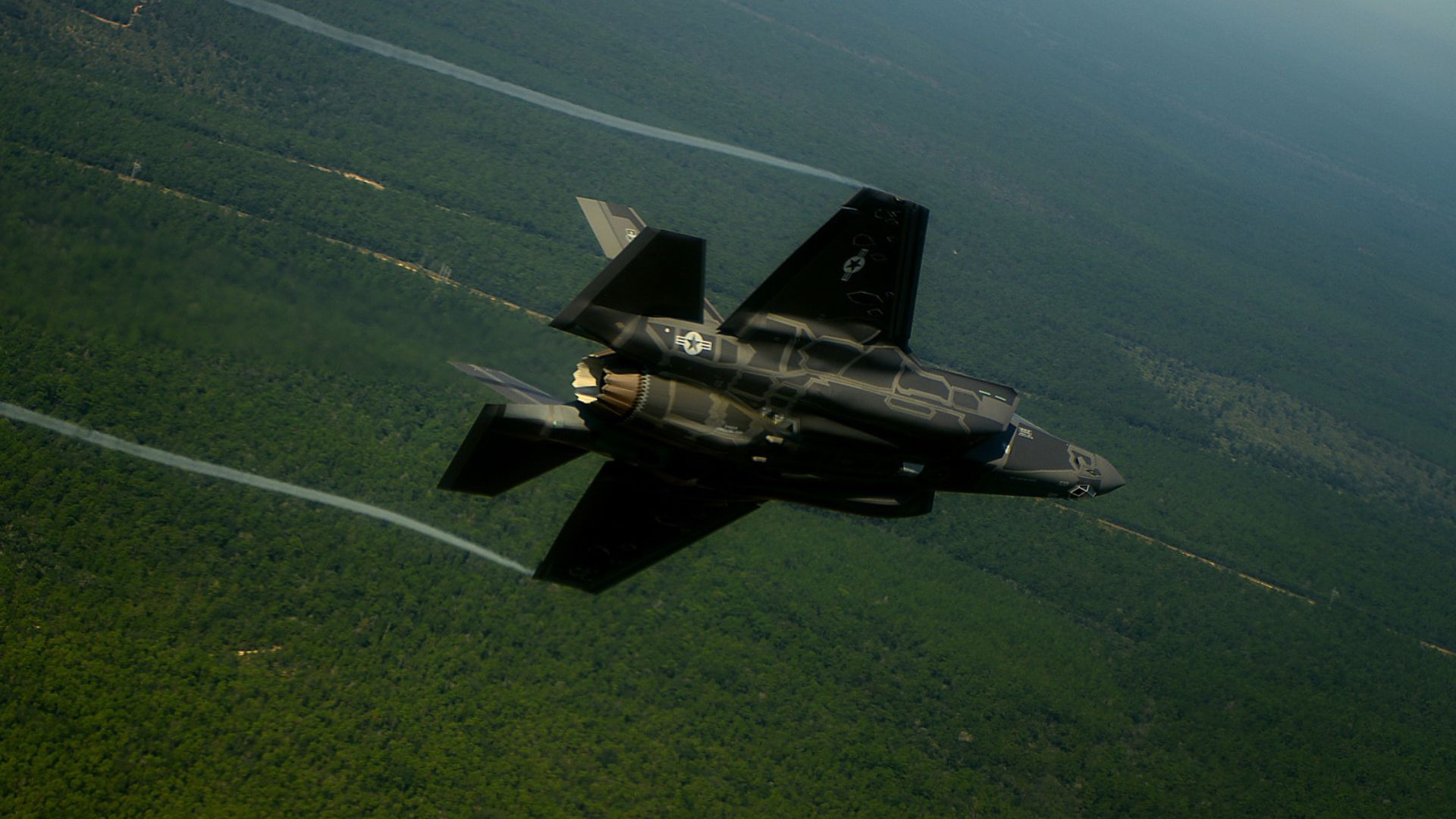
हवाई संग्रामात ऐतिहासिक घटना
U.S. F-35 Lightning II ईरान वर कॉम्बट मिशनमधून नुकसान झेल्यानंतर एक प्रादेशिक U.S. एयरबेस वर आपातकालीन लँडिंग केली, U.S. Central Command विवरणानुसार. हीच पुष्टी असाधारण आहे: F-35 अमेरिकाचे सर्वाधिक प्रगत ऑपरेशनल स्टेल्थ विमान आहे, आणि जर ईरान च्या एयर डिफेंससमधून नुकसान झाले, तर हे विमानाच्या इतिहासातील प्रथम पुष्ट केलेली हिट दर्शवते.
Navy Captain Tim Hawkins, CENTCOM प्रवक्ते, घटनेची पुष्टी केली: "आम्हाला कळले आहे की एक U.S. F-35 विमान ईरान वर कॉम्बट मिशनमध्ये उड्डाण केल्यानंतर एक प्रादेशिक U.S. एयरबेस वर आपातकालीन लँडिंग केली. विमान सुरक्षितपणे उतरले, आणि पायलट स्थिर स्थितीत आहेत. ही घटना तपासाधीन आहे."
ईरानचे दावे आणि पुरावे
ईरान च्या Islamic Revolutionary Guard Corps ने सांगितले की विमान सुमारे 2:50 a.m. स्थानिक वेळी एयर डिफेंस सिस्टमशी कार्यरत होते, "एक U.S. F-35 लढाऊ विमान गंभीरपणे नुकसानग्रस्त झाले" असे सांगितले. ईरान च्या राज्य माध्यमांनी हल्ल्याचे व्हिडिओ फुटेज जारी केले, परंतु व्हिडिओच्या सत्यतेची स्वतंत्रपणे पुष्टी केली गेली नाही.
IRGC विवरणात त्या एनगेजमेंट कालावधीत "125 पेक्षा जास्त US-Israeli ड्रोनच्या यशस्वी अवरोधन" ऑपरेशनशी कार्यरत होते असे सांगितले. U.S. आणि ईरान च्या खात्यांमध्ये महत्त्वपूर्ण फरक आहे — CENTCOM ने आपातकालीन लँडिंगची पुष्टी केली परंतु विमान ईरान च्या आगीमधून नुकसानग्रस्त झाले असे सांगण्याची पुष्टी केली नाही, नुकसान इतर कारणांमधून आले याची शक्यता सोडून दिली.
F-35: काय धोक्यात आहे
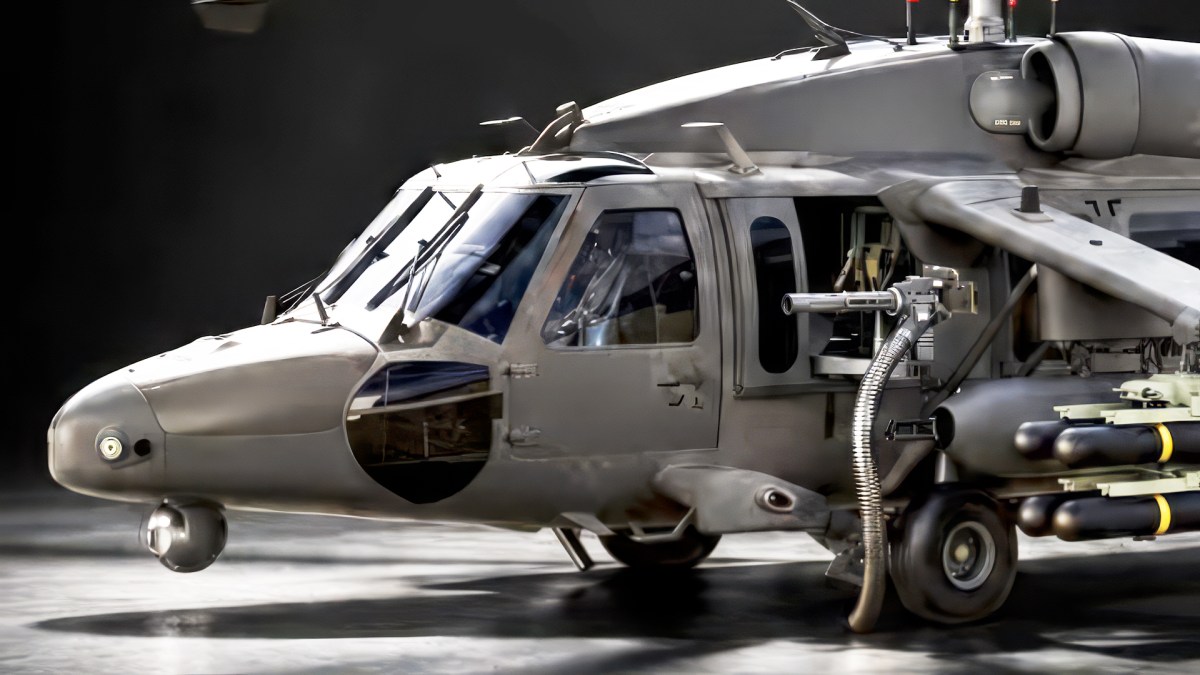
F-35 Lightning II इतिहासातील सर्वाधिक महाग शस्त्र कार्यक्रम, प्रत्येक विमानाची किंमत $100 दशलक्ष पेक्षा जास्त. जेटची परिभाषित क्षमता त्याची कमी-दृश्यमान डिজाइन — आकार, साहित्य आणि पृष्ठभाग कोटिंग च्या संयोजनाने पारंपरिक विमानांच्या तुलनेत त्याच्या रडार क्रॉस-सेक्शन नाटकीयरीत्या कमी करते, यामुळे भारी संरक्षित हवाई क्षेत्रात प्रवेश करणे शक्य होते.
ईरानने रशियन-डिझाइन केलेल्या S-300 एयर डिफेंस सिस्टमात महत्त्वपूर्ण गुंतवणूक केली आहे आणि प्रतिबंध-काल दशकांच्या आत्मनिर्भरतेच्या मार्गाने देशी प्रणाली देखील विकसित केल्या आहेत. F-35 ला लक्ष्य केले असे ईरानचे दावे — जर पुष्ट केले गेले तर — त्यांची एयर डिफेंस क्षमता पाश्चात्य सार्वजनिक विश्लेषणापेक्षा लक्षणीयरीत्या अधिक उन्नत आहेत असे सूचित करतात, भविष्यातील स्टेल्थ विमान कार्यांवर गहरा परिणाम होणारा.
विस्तृत संग्राम संदर्भ
घटना येते जेव्हा U.S.-इजराईल लष्करी मोहिम ईरान अधिक दृढ प्रतिरोधाचा सामना करत आहे असे काही प्रारंभिक मूल्यांकन सूचित करतात. तीन F-15 जेट मोहिमाच्या सुरुवातीस कुवैत च्या संरक्षणामधून मैत्रीपूर्ण आगीमधून हरले. एक KC-135 टँकर पश्चिमी इराकमध्ये क्रॅश, सहा चालक दल सदस्य मारले गेले. F-35 घटना मोहिमाच्या साथ उच्च परिचालन खर्च असलेले एक चित्र जोडते.
व्यापक रणनीतिक गणनेसाठी, ईरान F-35 ला विश्वसनीयरीत्या धमकावू शकते का हा प्रश्न अत्यंत महत्त्वपूर्ण आहे. जर विमान ईरान च्या एयर डिफेंससमधून शोधले आणि एनगेज केले जाऊ शकते, केवळ या मोहिमा नव्हे तर दशकांच्या U.S. एयर पावर सिद्धांताच्या आधारावर परिचालन गृहीतके प्रश्नार्थ आहेत. तपास निर्णय जवाबदारीसाठी निकट पहावा जात नाही तर जागतिक विवादास्पद हवाई क्षेत्रातील स्टेल्थ विमानांच्या भविष्यावर गहरा परिणाम होणारा.
हा लेख रोचक इंजिनियरिंग रिपोर्टिंगवर आधारित आहे. मूल लेख वाचा.
Originally published on interestingengineering.com