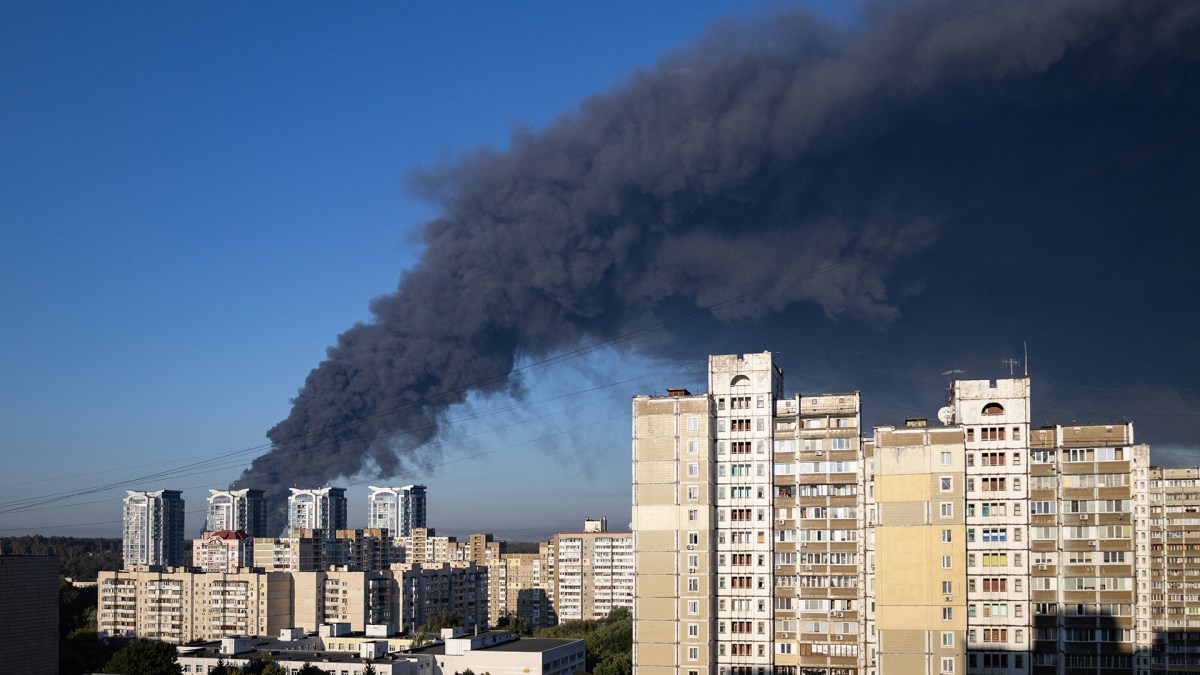
वारंवार येणाऱ्या ड्रोन लाटा कीववर वेगळ्याच प्रकारच्या दबावाचा संकेत देतात
कीववरील रशियन हल्ल्यांचे स्वरूप बदलत असल्याचे दिसते. संरक्षणव्यवस्थेला एका झटक्यात overwhelm करण्यासाठी असलेल्या अल्प, एकवटलेल्या माऱ्यावर मुख्यतः अवलंबून राहण्याऐवजी, युक्रेनियन अधिकाऱ्यांच्या मते मॉस्को अलीकडे दीर्घ काळात लहान-लहान ड्रोन गट पाठवत आहे. विनाशाची साधने परिचित असली तरी प्रत्यक्ष परिणाम वेगळा आहे: अधिक अलर्ट, अधिक व्यत्यय, बचावकर्त्यांवर अधिक ताण, आणि पुढची चेतावणी संपेपर्यंत नागरिकांना वाट पाहण्यात घालवावा लागणारा अधिक वेळ.
The War Zone ने 29 ऑगस्ट, 2026 रोजी दिलेल्या वृत्तानुसार, हा बदल झिजवणाऱ्या तर्काकडे निर्देश करतो. एकाच हल्ल्याच्या कालावधीत केवळ जास्तीत जास्त तीव्रतेला प्राधान्य देण्याऐवजी, नवा नमुना वारंवारता आणि कालावधी यांवर भर देतो. हे मूल्यांकन खरे ठरले, तर उद्दिष्ट केवळ विशिष्ट लक्ष्यांवर मारा करणे एवढेच नसेल. जनतेचा टिकाव मोडणे, व्यापार आणि सेवा विस्कळीत करणे, आणि युक्रेनच्या हवाई संरक्षण जाळ्याला जवळपास सतत कार्यरत ठेवणे हेही उद्दिष्ट असू शकते.
हा फरक महत्त्वाचा आहे, कारण तो शहरावर पडणारा ताण बदलतो. एक मोठा एकदाच होणारा मारा तीव्र आणि धोकादायक असतो, पण तो वेळेच्या दृष्टीने केंद्रित असतो. वारंवार अलर्टमध्ये तुटलेला दिवस वेगळ्या प्रकारचा खर्च लादू शकतो, जो केवळ अडवलेले ड्रोन किंवा नुकसानग्रस्त पायाभूत सुविधा यांवर नव्हे, तर गमावलेले कामाचे तास, थांबलेली वाहतूक, उशिराने मिळणाऱ्या सार्वजनिक सेवा, आणि एकत्रित मानसिक दडपण यांवरही मोजला जातो.
युक्रेनियन अधिकाऱ्यांनी काय सांगितले
दिलेल्या स्रोत मजकुरानुसार, युक्रेनियन अधिकाऱ्यांनी सांगितले की गुरुवार, 27 ऑगस्ट, 2026 रोजी कीवमध्ये एकदिशात्मक आक्रमण ड्रोनच्या लाटांचा विक्रम झाला. युक्रेनच्या परराष्ट्र व्यवहार मंत्रालयाने सांगितले की ड्रोन लहान गटांमध्ये येत असल्यामुळे दिवसभर सायरन वारंवार वाजत होते. त्या दिवशी राजधानी 872 मिनिटे, म्हणजे जवळपास 15 तास, हवाई हल्ल्याच्या अलर्टखाली होती, असे मंत्रालयाने सांगितले.
त्या अहवालात असेही म्हटले आहे की 27 ऑगस्टला कीवमध्ये 13 स्वतंत्र हवाई हल्ल्याचे अलर्ट होते. हा आकडा उल्लेखनीय आहे, कारण तो कथितपणे पूर्ण-स्तरीय युद्धाच्या सुरुवातीच्या टप्प्यातील आधीच्या नोंदीपेक्षाही जास्त होता. स्रोत मजकुरात Kyiv Independentचा हवाला देत असे म्हटले आहे की आधीचा विक्रम 1 मार्च, 2022 रोजी झाला होता, जेव्हा कीवला एकाच दिवशी 12 वेळा हवाई हल्ल्याच्या अलर्टखाली ठेवण्यात आले होते.
तीव्रता त्या एका कालखंडानंतर थांबली नाही. त्याच वृत्तानुसार, 28 ऑगस्टच्या सकाळपर्यंत कीव आणि आसपासच्या भागांवरील हल्ले रात्रभर सुरू राहिल्याने राजधानीला आणखी आठ हवाई हल्ल्याचे अलर्ट आले. शस्त्रास्त्रांची पूर्ण मोजणी किंवा अडवण्याचे दर नसले तरी, केवळ हा वेगच दबाव टिकवून ठेवण्याच्या मोहिमेकडे निर्देश करतो.
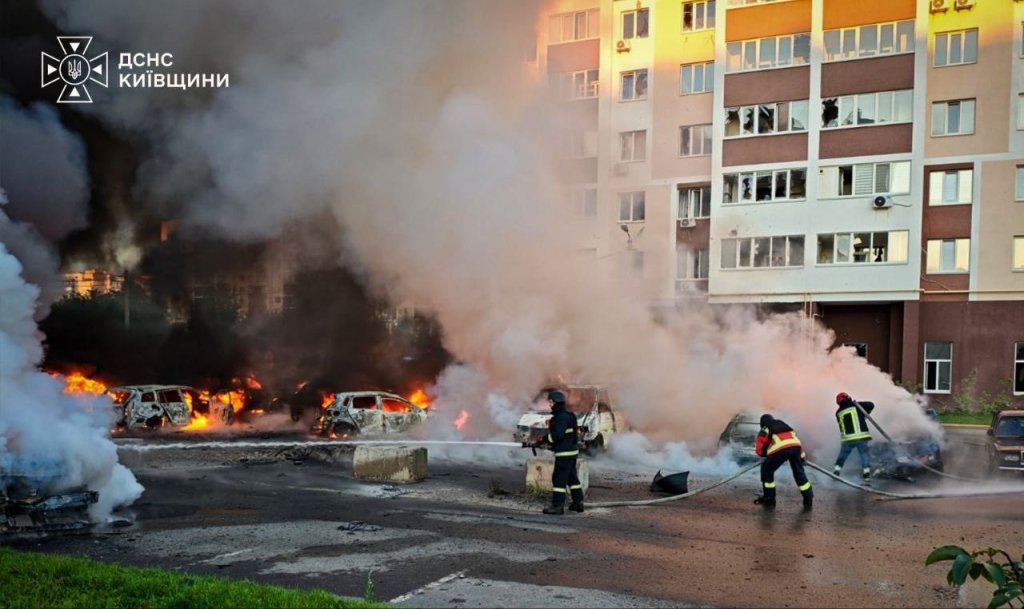
सॅच्युरेशनपासून सातत्याकडे
युद्धात रशियाने अनेकदा मोठ्या प्रमाणावर क्षेपणास्त्र आणि ड्रोन हल्ले केले आहेत, अनेक शस्त्रे एकत्र करून युक्रेनच्या हवाई संरक्षणाला सॅच्युरेट करण्याचा आणि काही दारुगोळे पुढे जाऊ देण्याची शक्यता वाढवण्याचा प्रयत्न केला आहे. इथे वर्णन केलेला नमुना वेगळा दिसतो. तो प्रयत्न एका मोठ्या हल्ल्यात एकवटण्याऐवजी, हल्ले लहान, वारंवार येणाऱ्या लाटांमध्ये विभागले गेले आहेत.
हा सामरिक बदल हल्लेखोराला अनेक फायदे देऊ शकतो, किमान सिद्धांततः. तो बचावकर्त्यांचा लयबद्धपणा बिघडवतो, दीर्घकाळ अलर्ट स्थिती लादतो, आणि नागरिकांना तसेच शहरातील यंत्रणांना धोक्यांमधून पुन्हा सामान्य स्थितीत येणे कठीण करतो. एकाच कमी कालावधीच्या माऱ्याच्या तुलनेत तो इंटरसेप्टर, देखभाल क्षमता, आणि ऑपरेटरचे लक्ष वेगळ्या पद्धतीने खर्ची घालवू शकतो.
तितकेच महत्त्वाचे म्हणजे, तो चेतावणी प्रणालींनाच व्यत्ययाचे साधन बनवतो. जेव्हा अलर्ट वारंवार लोकांना आश्रयस्थानात पाठवतात किंवा शहरातील हालचाली थांबवतात, तेव्हा परिणाम थेट भौतिक नाशापेक्षा पुढे जातो. कार्यालये थांबतात. वाहतूक खंडित होते. सार्वजनिक सेवा मंदावतात. शिक्षण, आरोग्यसेवा, पुरवठा, आणि नेहमीच्या दिनक्रमाचे पालन करणे कठीण होते.
दिलेल्या स्रोत मजकुरात हे स्पष्टपणे “लोकांना झिजवणे, व्यापार थांबवणे आणि हवाई रक्षकांना थकवणे” अशा उद्देशाने केलेले पाऊल म्हणून मांडले आहे. हे ठाम मूल्यांकन आहे, पण ते वर्णन केलेल्या कार्यपद्धतीवर आधारित आहे: लहान गटांमध्ये वारंवार प्रक्षेपण, असामान्यपणे दीर्घ एकूण अलर्ट वेळ, आणि रात्रभर चाललेला दबाव.
हा नमुना धोरणात्मकदृष्ट्या का महत्त्वाचा आहे
झिजवणाऱ्या रणनीती नेहमीच रणांगणावरील यशाबद्दल नसतात. कधी कधी त्या प्रतिस्पर्ध्याच्या सहनशक्तीची किंमत हळूहळू वाढवण्याबद्दल असतात. कीवच्या बाबतीत, वारंवार येणाऱ्या ड्रोन लाटांचा हा प्रकार राजधानीच्या संरक्षण यशालाच ओझे बनवण्याचा प्रयत्न असू शकतो. प्रभावी अडथळा निर्माण करण्यासाठीही सतत तयारी, मनुष्यबळ, आणि खर्च लागतो.
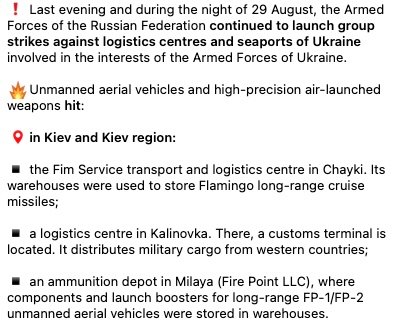
युक्रेनसाठी याचा अर्थ असा की जुळवून घेणे म्हणजे फक्त संरक्षण प्रणालींची संख्या वाढवणे एवढेच नसणार. सातत्यावर आधारित मोहिम कमांड-एंड-कंट्रोलची सहनशक्ती, अलर्ट व्यवस्थापन, लॉजिस्टिक्स, आणि नागरिक सातत्य नियोजन यांची परीक्षा घेते. अशा दबावाखालील शहरांनी केवळ आकाशाचेच नाही, तर युद्धकाळात शहरी जीवन सुरू ठेवणाऱ्या दिनचर्यांचेही संरक्षण करावे लागते.
युद्धावर लक्ष ठेवणाऱ्या बाहेरील निरीक्षकांसाठी याचे आणखी एक महत्त्व आहे. जर कार्यपद्धती बदलत असेल, तर केवळ एका हल्ल्याच्या आकाराची नोंद घेणे व्यापक प्रवाह चुकवू शकते. एक छोटी लाट, ती दिवसाभर आणि पुढच्या सकाळपर्यंत पुन्हा पुन्हा आली, तर ती लहान भार राहत नाही.
याचा अर्थ असा नाही की जुनी पद्धत सोडून दिली आहे. दिलेला मजकूर फक्त एवढेच समर्थन करतो की कीववरील हल्ल्यांच्या वारंवारतेत आणि कालावधीत अलीकडे लक्षवेधी बदल झाला आहे, आणि रशियाने संपूर्ण संघर्षक्षेत्रात एक सिद्धांत दुसऱ्याने कायमचा बदलला आहे असे नाही. पण अंशतः बदलसुद्धा महत्त्वाचा आहे, कारण तो शहरी लक्ष्यांविरुद्ध ड्रोन आणि क्षेपणास्त्रांचा वापर कसा बदलत आहे हे दाखवतो.
दारुगोळ्यासोबतच मिनिटांत मोजला जाणारा शहरी युद्धप्रकार
वृत्तांतातील सर्वात लक्षवेधी तपशीलांपैकी एक म्हणजे एका दिवसात 872 मिनिटे हवाई हल्ल्याच्या अलर्टखाली राहणे. हा आकडा असे काही दाखवतो जे शस्त्रांची संख्या अनेकदा दाखवत नाही: एखादे शहर किती काळ सामान्य स्थिती स्थगित ठेवते. लांब पल्ल्याच्या हल्ला प्रणालींनी आकार घेतलेल्या संघर्षांमध्ये, अलर्टखाली घालवलेला वेळ स्वतःच दबावाचे मोजमाप बनू शकतो.
कीवच्या रहिवाशांसाठी परिणाम संचित असतो. हवाई संरक्षण पथकांसाठी तो थकवणारा असतो. नगरपालिकेच्या यंत्रणांसाठी तो सर्वत्र घर्षण निर्माण करतो. आणि विश्लेषकांसाठी तो स्मरण करून देतो की लष्करी जुळवून घेणे अनेकदा प्रथम नव्या प्लॅटफॉर्ममध्ये नाही, तर वापराच्या बदललेल्या नमुन्यात दिसते.
जर हा कल सुरू राहिला, तर मुख्य प्रश्नांपैकी एक असा असेल की युक्रेन आणि त्याचे भागीदार दुर्मिळ संरक्षण संसाधनांवर अति ताण न देता अशा दीर्घकाळ चालणाऱ्या छळात्मक हल्ल्यांच्या परिणामांना रोखू शकतील का. उत्तर केवळ अडवण्याच्या आकडेवारीवरच नाही, तर राजधानीची लवचिकताही ठरवेल.
- युक्रेनियन अधिकाऱ्यांनी 27 ऑगस्ट, 2026 रोजी कीवमध्ये 13 हवाई हल्ल्याचे अलर्ट आणि जवळपास 15 तास अलर्टखाली असल्याचे नोंदवले.
- नोंदवलेला नमुना एका मोठ्या माऱ्याऐवजी वारंवार येणाऱ्या लहान ड्रोन लाटांवर भर देतो.
- उद्देश दैनंदिन जीवन विस्कळीत करणे, व्यापार आणि सेवांवर ताण आणणे, आणि वेळोवेळी हवाई संरक्षण थकवणे हा असू शकतो.
- एका मोठ्या हल्ल्याशिवायही सामरिक बदल दबाव वाढवू शकतात, हे या घडामोडीवरून दिसते.
हा लेख twz.com च्या वृत्तांकनावर आधारित आहे. मूळ लेख वाचा.
Originally published on twz.com