एक पारंपरिक हेलिकॉप्टर स्वयंचलित उड्डाणाकडे एक पाऊल पुढे
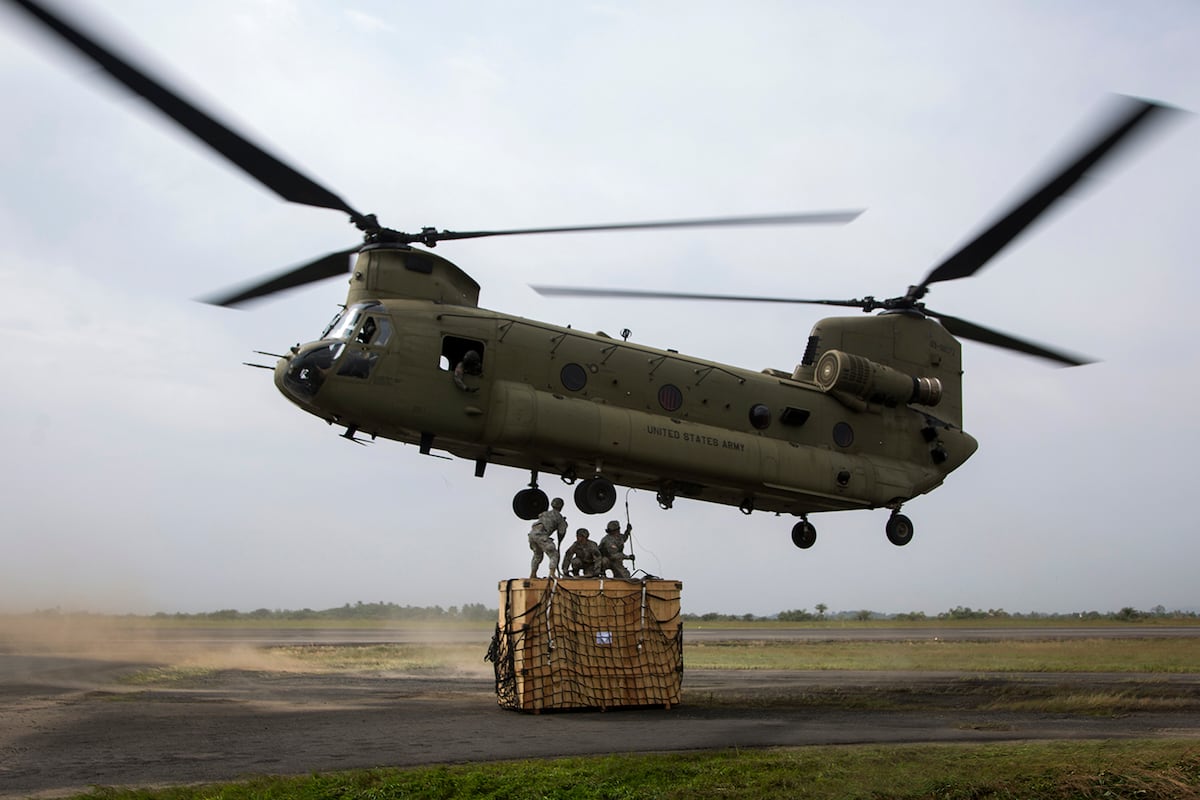
Boeing म्हणते की त्यांनी U.S. Army CH-47 Chinook ला पायलटच्या नियंत्रणाशिवाय यशस्वीरित्या उतरवले, आणि यासाठी उड्डाणातील सर्वांत कठीण टप्प्यांपैकी एक स्वयंचलित करणारे सॉफ्टवेअर वापरले. या प्रात्यक्षिकात Boeing च्या Approach-to-X, किंवा A2X, प्रणालीचा वापर करण्यात आला; पायलटने प्रमुख मिशन पॅरामीटर्स नोंदवल्यानंतर तिने हेलिकॉप्टरला अंतिम अप्रोच आणि लँडिंगपर्यंत नेले.
हा प्रसंग पायलट पूर्णपणे काढून टाकतो म्हणून नव्हे, तर आधीपासूनच लष्करी कामकाजाच्या केंद्रस्थानी असलेल्या विमानांमध्ये स्वायत्तता कशी समाविष्ट होत आहे हे दाखवतो म्हणून महत्त्वाचा आहे. Chinook 1960 च्या दशकापासून सेवेत आहे आणि सैनिक, उपकरणे, आणि जड माल वाहून नेण्यासाठी अजूनही महत्त्वाचा आहे. अशा प्लॅटफॉर्ममध्ये स्वयंचलित लँडिंग क्षमता जोडणे हे व्यावहारिक स्वायत्तता धोरण दाखवते: पूर्णपणे नवीन ताफ्याची वाट पाहण्यापेक्षा मुख्य विमानांचे अपग्रेड करा.
सिस्टम कशी काम करते
Boeing नुसार, A2X ची सुरुवात पायलटने निश्चित केलेल्या इनपुट्सपासून होते, जसे की लँडिंग झोन, अंतिम उंची, अप्रोच कोन, आणि सुरुवातीचा वेग. ते पॅरामीटर्स सेट झाल्यावर, सॉफ्टवेअर विमानाला ठरवलेल्या बिंदूपर्यंत उडवते. पायलट उड्डाणादरम्यान अजूनही बदल करू शकतात, त्यामुळे वातावरणातील बदलांना प्रतिसाद देता येतो, संपूर्ण नियंत्रण सोडावे लागत नाही.
ही रचना विमान स्वायत्ततेतील एक सामान्य नमुना दाखवते. उद्दिष्ट प्रत्येक वेळी माणसांना लूपबाहेर काढणे नाही. महत्त्वाच्या क्षणी कामाचा ताण कमी करून क्रूला नेव्हिगेशन, धोरणात्मक जागरूकता, आणि अनपेक्षित धोक्यांकडे अधिक लक्ष देता यावे, हेच ध्येय आहे.
Boeing ने सांगितले की त्यांनी A2X सह 150 पेक्षा जास्त अप्रोच पूर्ण केल्या आहेत, ज्यात 100 फूट hover पासून touchdown पर्यंतच्या अंतिम उंचींचा समावेश आहे. कंपनीने सरासरी अंतिम स्थिती त्रुटी पाच फूटांपेक्षा कमी असल्याचेही सांगितले, जे कार्यक्षम वापरासाठी आवश्यक पुनरावृत्तीक्षमतेचे निदर्शक आहे.
Army ला रस का आहे
Army चा स्वायत्ततेतील रस त्याच्या विमानवाहतुकीच्या पोर्टफोलिओमध्ये वाढत आहे. Chinook चाचणीसोबत अलीकडेच pilot-optional Black Hawk प्रकार H-60Mx चे वितरण झाले, जो fly-by-wire controls आणि autonomy systems एकत्र करतो. दोन्ही प्रयत्न सूचित करतात की सेवेचा उद्देश ओळखीच्या मिशन प्लॅटफॉर्मना सोडून न देता reduced-crew आणि optionally crewed विमानांकडे जाण्याचा मार्ग तयार करणे आहे.
हे महत्त्वाचे आहे, कारण Army च्या भविष्यातील कार्यपरिस्थिती अधिक स्पर्धात्मक, अधिक विखुरलेली, आणि क्रूसाठी अधिक कठीण असण्याची अपेक्षा आहे. तणावाखाली landing zone कडे जाणारे heavy-lift helicopter हे आधीच बौद्धिकदृष्ट्या तणावपूर्ण मिशन आहे. अप्रोच आणि लँडिंगदरम्यान पायलटचा कामाचा भार कमी करणारी कोणतीही प्रणाली सुरक्षा सुधारू शकते आणि व्यापक धोरणात्मक चित्रासाठी लक्ष मोकळे करू शकते.
क्रमिक स्वायत्तताच खरा मुद्दा असू शकतो
लष्करी स्वायत्ततेवरील लोकप्रिय चर्चा अनेकदा नाट्यमय अंतिम अवस्थांवर केंद्रित असते: पूर्णपणे स्वयंचलित विमाने, unmanned swarms, किंवा पायलटविना combat operations. Chinook प्रात्यक्षिक याहून अधिक टप्प्याटप्प्याने आणि कदाचित जवळच्या काळात अधिक वास्तववादी दिशेकडे निर्देश करते. एअरक्रूला पूर्णपणे बदलण्याऐवजी, स्वायत्तता अशा विशिष्ट उड्डाण टप्प्यांमध्ये घातली जात आहे जिथे ती तात्काळ कार्यात्मक मूल्य देऊ शकते.
या पद्धतीचे अनेक फायदे आहेत. certification आणि user trust बांधणे सोपे होते. पायलट सक्रिय निर्णयकर्ते म्हणून राहू शकतात. आणि स्वायत्ततेला भविष्यातील वचनापासून प्रत्यक्ष चाचणी, मोजणी, आणि सुधारणा करता येणाऱ्या मर्यादित कार्यांच्या मालिकेत रूपांतरित केले जाते.
मूळ अहवालात Boeing ने दिलेले human-factors framing हा मुद्दा अधिक ठळक करते. कंपनीने सांगितले की interface आणि control laws पायलट अप्रोच नैसर्गिकरीत्या कसा उडवतात याचा विचार करून डिझाइन केले आहेत, ज्याचा उद्देश कामाचा ताण कमी करून क्रूला सामरिक परिस्थितीत बाहेरील दृश्याकडे अधिक लक्ष देता यावे, असा आहे. दुसऱ्या शब्दांत, सॉफ्टवेअरला cockpit सहाय्यक म्हणून घडवले जात आहे, केवळ बदलण्याच्या तंत्रज्ञानाप्रमाणे नाही.
पुढे काय
Boeing म्हणते की सॉफ्टवेअर Army ला देण्यापूर्वी ते आणखी सुधारत राहतील, पण कोणतीही वेळरेषा दिलेली नाही. त्यामुळे ही क्षमता संक्रमण अवस्थेत आहे: दाखवली गेली आहे, पण अजून तैनात नाही. तरीही, ही चाचणी सूचित करते की स्वायत्तता आता केवळ संकल्पनापत्रांमधून बाहेर पडून ऑपरेशनल विमानांवरील प्रत्यक्ष handling tasks कडे जात आहे.
Army साठी याचे परिणाम Chinook च्या पलीकडेही जातात. सेवा भविष्यातील long-range assault aircraft विकसित करत असताना आणि विविध crew models तपासत असताना, A2X आणि तत्सम प्रणालींमधून शिकलेले धडे नवीन cockpits, interfaces, mission profiles यांच्या रचनेवर परिणाम करू शकतात. तत्काळ परिणाम म्हणजे एक स्वयंचलित लँडिंग. मोठा कल असा आहे की महत्त्वाची उड्डाण कामे नेहमीच माणसांनी हाताने उडवली पाहिजेत असे नाही, या कल्पनेभोवती विमानसेवा हळूहळू पुन्हा मांडली जात आहे.
हा लेख Defense News च्या रिपोर्टिंगवर आधारित आहे. मूळ लेख वाचा.
Originally published on defensenews.com