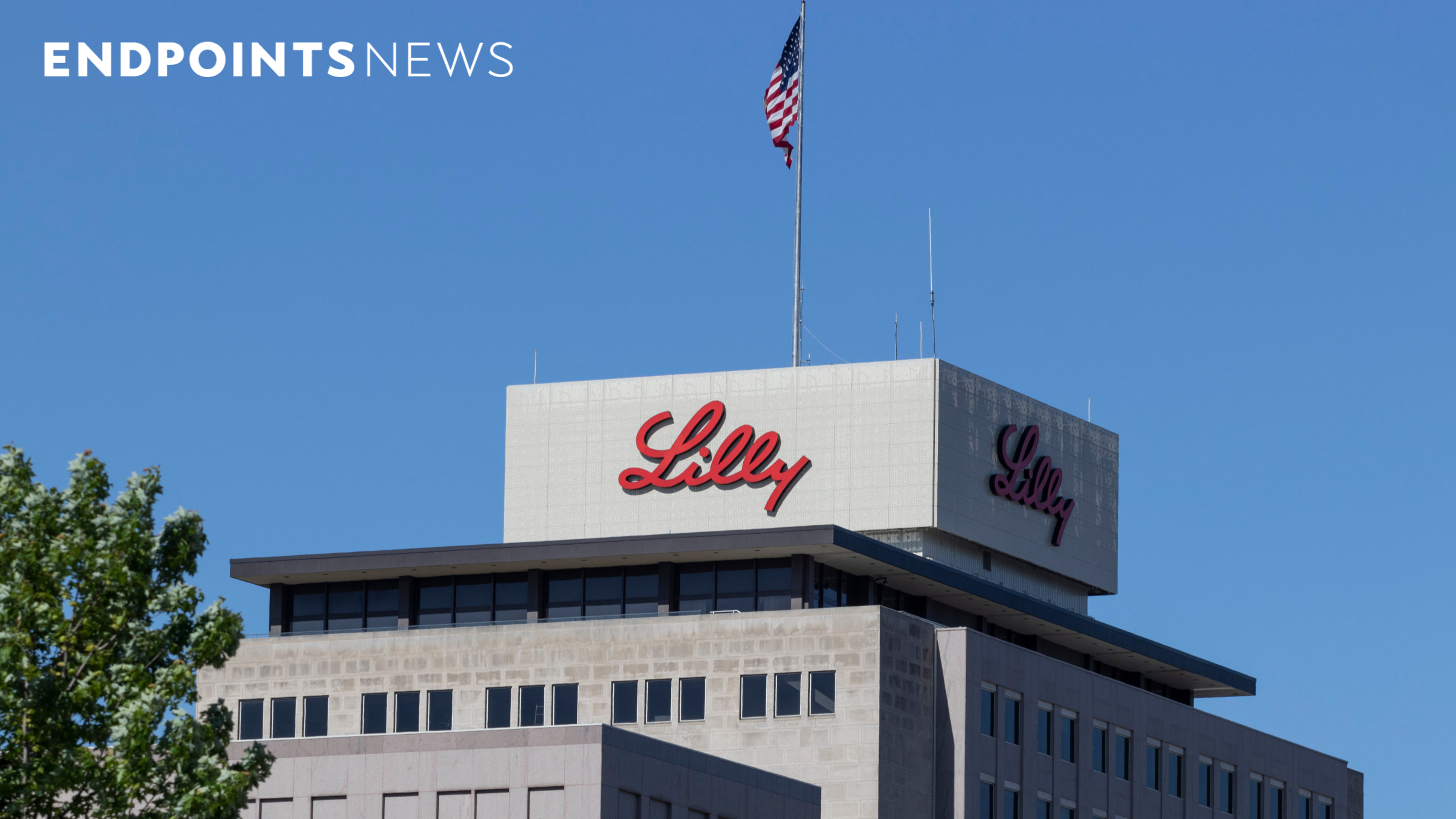
Lilly देशांतर्गत क्षमता वाढवत आहे
Endpoints News नुसार, Eli Lilly Indiana मध्ये नव्या उत्पादन प्रकल्पांवर $4.5 अब्ज गुंतवण्याचा विचार करत आहे. हा निर्णय त्याच्या प्रमाणामुळे आणि स्थानामुळे दोन्ही कारणांनी महत्त्वाचा आहे. Lilly चे मुख्यालय Indiana मध्ये आहे, आणि कंपनी तोच home-state आधार आणखी एका मोठ्या औद्योगिक विस्ताराच्या मंचाप्रमाणे वापरत आहे.
हा अहवाल या निर्णयाला व्यापक प्रवृत्तीच्या संदर्भात ठेवतो: औषधनिर्माते अधिक U.S. प्रकल्पांची घोषणा करत आहेत. त्यामुळे Lilly ची घोषणा केवळ स्थानिक आर्थिक विकासाची गोष्ट राहत नाही. ती हेही दाखवते की फार्मा उत्पादन धोरण सातत्याने अमेरिकेतील क्षमतावाढीकडे वळत आहे.
एकाच कंपनीपलीकडे हे का महत्त्वाचे
मागील दशकाच्या बर्याच भागात औषध उत्पादन इतका धोरणात्मक विषय नव्हता. कंपन्या आणि धोरणकर्ते गुंतागुंतीच्या पुरवठा साखळ्यांची नाजूकता, मोठ्या प्रमाणावर नवीन थेरपी बाजारात आणण्याची अडचण, आणि अधिक देशांतर्गत उत्पादन पर्याय असण्याचे ऑपरेशनल मूल्य यांचा वर्षानुवर्षे सामना करत आहेत. जगातील सर्वात मोठ्या pharma कंपन्यांपैकी एक जेव्हा उत्पादनासाठी आणखी $4.5 अब्ज देण्याचा निर्णय घेते, तेव्हा उत्पादन क्षमता आता फक्त खर्चाचे केंद्र नसून स्पर्धात्मक मालमत्ता आहे, हे अधिक ठळक होते.
Lilly च्या आकारामुळे याचे महत्त्व अधिक वाढते. Endpoints कंपनीचे वर्णन जगातील सर्वात मोठी pharma company असे करते, ज्याचा अर्थ तिच्या भांडवली वाटपाच्या निर्णयांचा परिणाम पुरवठादार, स्थानिक कामगार बाजार, आणि प्रतिस्पर्धी उत्पादकांवर होऊ शकतो. इतक्या मोठ्या प्रमाणावर काम करणारी कंपनी कोट्यवधी डॉलर्सची उत्पादन बांधिलकी हलक्याफुलक्या पद्धतीने घेत नाही. अशा प्रकल्पांमध्ये साधारणपणे दीर्घकालीन नियोजन आणि मागणी, उत्पादन मिश्रण, किंवा लवचिकता गरजा मोठ्या भौतिक पायाभूत सुविधेला न्याय देतात, असा अंदाज असतो.

रणनीतीत Indiana ची भूमिका
गुंतवणूक Indiana मध्ये केंद्रित ठेवणे, Lilly अंमलबजावणी जोखीम आणि इकोसिस्टम मूल्य यांना कसे पाहते हे दर्शवते. उत्पादन प्रकल्प केवळ इमारतींबद्दल नसतात. ते कार्यबल उपलब्धता, नियामक परिचय, लॉजिस्टिक्स, उपयुक्तता विश्वसनीयता, आणि विद्यमान तांत्रिक ज्ञानाच्या आधारावर चालतात. कंपनीची आधीपासूनच खोल मुळे असलेल्या राज्यात विस्तार केल्यास अपरिचित ठिकाणी प्रकल्प पसरवण्यापेक्षा घर्षण कमी होऊ शकते.
यामुळे Indiana चे life-sciences उत्पादन केंद्र म्हणून स्थान अधिक बळकट होते. मोठ्या anchor गुंतवणुकीमुळे उपकरण पुरवठादार, contract services, विशेष बांधकाम, आणि प्रतिभा प्रवाह त्याच प्रदेशाकडे आकर्षित होऊ शकतात. Lilly शी आधीच जोडलेल्या राज्यासाठी आणखी गुंतवणूक त्या ओळखीला अधिक खोल करू शकते आणि भविष्यातील प्रकल्पांना न्याय्य ठरवणे सोपे करू शकते.
जाहीरनाम्याने उद्योग प्राधान्यांविषयी काय सूचित होते
दिलेल्या सामग्रीमध्ये हे नमूद केलेले नाही की नवीन प्रकल्प कोणत्या उत्पादनांना किंवा उत्पादन रेषांना मदत करतील, त्यामुळे हे कोणत्याही एका उपचारक्षेत्राशी किंवा मागणीतील उसळीशी जोडणे लवकर ठरेल. तरीही, हे जाहीरनामे bio pharma मध्ये अधिक स्पष्ट होत असलेल्या काही व्यापक प्राधान्यांना उघड करते.
पहिले, उत्पादन तयारी आता वाढीच्या धोरणाशी अतिशय जवळून जोडली गेली आहे. bio pharma कंपन्या आता स्केलची समस्या नंतर सोडवू अशी कल्पना करू शकत नाहीत. मागणी मजबूत असेल तर पुरवठाही असलाच पाहिजे. दुसरे, स्थान निर्णयांमध्ये आता भू-राजकीय आणि धोरणात्मक महत्त्वही असते. U.S.-आधारित उत्पादन लवचिकता, रोजगार, आणि धोरणात्मक क्षमता यांबाबत सार्वजनिक अपेक्षांशी जुळू शकते. तिसरे, मोठे उत्पादक बाह्य मर्यादांवर अतिशय अवलंबून न राहता महत्त्वाच्या ऑपरेशन्सवर नियंत्रण ठेवण्यासाठी आक्रमक खर्च करण्यास तयार दिसत आहेत.
Lilly चे पाऊल अशा काळात आले आहे जेव्हा गुंतवणूकदारांच्या कथांमध्ये उत्पादन क्षमता अधिक मध्यवर्ती होत आहे. पूर्वीच्या टप्प्यात biotechnology valuation प्रामुख्याने pipeline च्या आश्वासनावर चालू शकत होती. सध्याच्या वातावरणात, कंपन्या व्यावसायिक प्रमाणात उत्पादन करू शकतात का, किती वेगाने क्षमता वाढवू शकतात, आणि ते स्वीकारार्ह मार्जिन्सवर करू शकतात का, याकडे गुंतवणूकदार अधिक लक्ष देत आहेत.
सततच्या भांडवली तीव्रतेचा संकेत
या घोषणेतून सर्वात स्पष्ट निष्कर्ष असा की फार्मास्युटिकल उत्पादन अजूनही भांडवली-गहन स्पर्धा आहे. नवीन प्लांट्स आणि उत्पादन विस्तारांसाठी केवळ सुरुवातीचा बांधकाम खर्चच नाही, तर कार्यबल प्रशिक्षण, validation, उपकरण बसविणे, आणि quality systems यांचीही गरज असते. $4.5 अब्जांची बांधिलकी ही क्षमता दीर्घकालीन मूल्य वर्षानुवर्षांच्या सुरुवातीच्या खर्चाला न्याय देईल, या विश्वासाचे निदर्शक आहे.
त्या पातळीचा खर्च स्पर्धात्मक गतिशीलताही आकारू शकतो. लहान कंपन्या बर्याचदा contract manufacturers किंवा भागीदारांवर अधिक अवलंबून असतात, तर Lilly सारखी कंपनी आपल्या क्षमतेमागे मोठा अंतर्गत भांडवली आधार उभा करू शकते. परिणामी, स्वतःचा औद्योगिक पाया उभारू शकणाऱ्या आणि बाह्य उत्पादन स्लॉटसाठी स्पर्धा करावी लागणाऱ्या कंपन्यांमधील दरी वाढू शकते.
अजून काय अज्ञात आहे
दिलेल्या सामग्रीत काही महत्त्वाचे तपशील उघडेच राहतात. प्रकल्पांचे वेळापत्रक, नेमकी ठिकाणे, उत्पादन श्रेण्या किंवा अपेक्षित रोजगार संख्या दिलेली नाही. गुंतवणूक पूर्णपणे नव्या सुविधांसाठी आहे की विद्यमान साइट्सच्या विस्तारासाठी, की दोन्हींच्या मिश्रणासाठी, हेही सांगितलेले नाही. या तपशीलांवरच खर्च किती वेगाने उत्पादनात रूपांतरित होईल आणि कोणत्या पुरवठा मर्यादा दूर करण्यासाठी हे केले जात आहे, हे अवलंबून असेल.
गुंतवणुकीपैकी किती हिस्सा भविष्यातील उत्पादन लाँचशी आणि किती वर्तमान मागणीशी जोडलेला आहे, याचाही येथे कोणताही संकेत नाही. हा फरक महत्त्वाचा आहे, कारण तो बचावात्मक manufacturing buildout आणि वाढीवर केंद्रित आक्रमक विस्तार यांच्यात फरक करतो.

मोठे महत्त्व
ही उघडी प्रश्न असतानाही, धोरणात्मक संदेश स्पष्ट आहे. Lilly U.S. उत्पादनात आणखी $4.5 अब्ज गुंतवत आहे, आणि ती ते आपल्या home state मध्ये करत आहे, उत्पादनाकडे फक्त जागतिक optimisation म्हणून पाहत नाही. हे फार्मा क्षेत्रातील व्यापक बदल दर्शवते, जिथे देशांतर्गत क्षमता, ऑपरेशनल लवचिकता, आणि औद्योगिक स्केल कंपनीच्या धोरणाच्या केंद्राजवळ येत आहेत.
Indiana साठी ही गुंतवणूक त्या राज्याचे उद्योगातील सर्वात मोठ्या खेळाडूंपैकी एकासाठी असलेले महत्त्व अधोरेखित करते. क्षेत्रासाठी हा आणखी एक संकेत आहे की manufacturing स्पर्धेच्या मध्यभागी अधिक जवळ आले आहे. उद्योग केवळ नवीन औषधे शोधण्यासाठी आणि commercialize करण्यासाठी धावत नाही, तर ती योग्य ठिकाणी, पुरेशा प्रमाणात, आणि प्रक्रियेवर अधिक नियंत्रण ठेवून तयार करण्यासाठीही धावत आहे. Lilly ची ताजी बांधिलकी त्या नव्या वास्तवात अगदी बसते.
हा लेख endpoints.news च्या रिपोर्टिंगवर आधारित आहे. मूळ लेख वाचा.
Originally published on endpoints.news