Solar manufacturing pressure is deepening in China
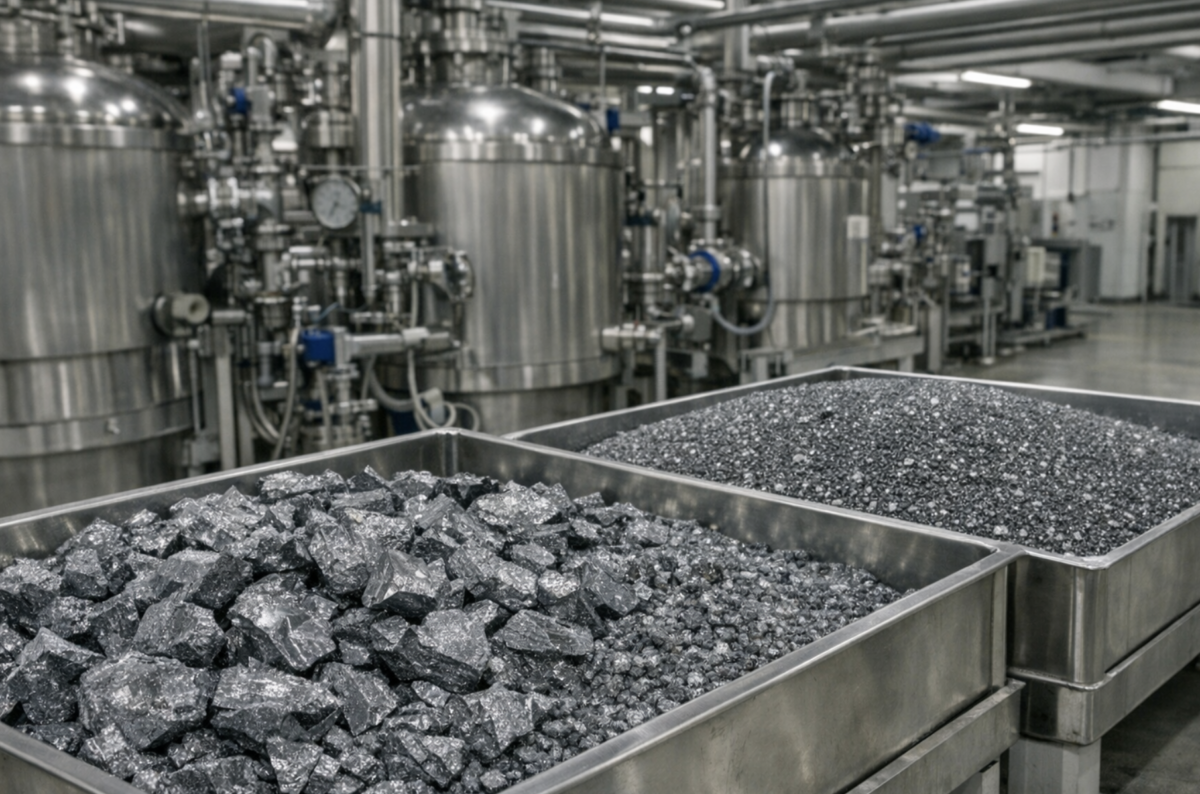
China’s solar industry is sending two messages at once: capital is still being raised for new projects, but pricing and profitability pressure remain intense across the supply chain. A new industry brief from pv magazine says polysilicon prices have declined for a seventh straight week, extending a downturn in one of the sector’s most closely watched upstream materials.
The continued slide in polysilicon prices is significant because it reflects more than short-term volatility. Polysilicon sits near the top of the photovoltaic manufacturing stack, and sustained weakness there often signals wider imbalances between supply, demand, and investment expectations. When prices keep falling week after week, it usually points to oversupply, margin compression, or both.
That pressure is arriving even as state-linked and private players continue to fund expansion, reposition corporate strategy, and seek new financing channels. The result is a market that remains active and ambitious, but also visibly strained.
CECEP raises billions for new PV and storage capacity
One of the clearest signs that project development is still moving ahead comes from China Energy Conservation and Environmental Protection Group, or CECEP. The company issued 29.5 million convertible bonds at CNY 100 each, raising a total of CNY 2.95 billion. According to the source text, the proceeds are earmarked for six photovoltaic power plants and related energy storage projects with combined capacity of 900 MW.
Total investment in those projects is estimated at CNY 4.566 billion. That scale matters. Even in a period of upstream price weakness, capital continues to flow into generation and storage assets, suggesting that developers still see value in building large projects. Lower component or material costs can improve project economics downstream, even while they hurt manufacturers upstream.
This split is central to understanding the current market. Falling polysilicon prices may be painful for suppliers, but developers and asset owners can benefit if cheaper inputs reduce the cost of building new solar capacity. That does not erase systemic stress, but it helps explain why project announcements and financial strain can coexist.
Chint looks outward as competition intensifies
Zhejiang Chint Electrics is also using the moment to reposition. The company approved the appointment of Tianjian International Certified Public Accountants as auditing institution for a planned H-share issuance and listing on the main board of the Hong Kong Stock Exchange. Chint says the objective is to accelerate international expansion and broaden financing channels.
That move is notable because it suggests large Chinese solar-linked companies are looking beyond the domestic market for capital and growth. International expansion can offer new demand, geographic diversification, and an opportunity to reduce exposure to a crowded home market. A Hong Kong listing can also improve access to investors who want a clearer route into renewable-energy manufacturing and related businesses.
The timing is revealing. When companies seek new financing avenues during a period of prolonged price weakness, it often indicates that scale, market access, and balance-sheet resilience are becoming more important competitive advantages. Firms that can raise capital and expand globally may be better positioned to withstand prolonged compression in their core markets.
Financial losses show the downside of the cycle
The industry brief also points to the strain inside the manufacturing base. DKEM reported a net loss of CNY 276 million in its 2025 annual report, a year-on-year decline of 176.8%. The company, identified as a silver paste manufacturer, said photovoltaic conductive paste shipments totaled 1,829.16 metric tons.
Even without a full company breakdown in the supplied source text, the headline figures are enough to show how severe the current cycle has become. A large year-on-year deterioration in earnings, paired with shipment data, indicates that volume alone is not protecting companies from weaker pricing or tougher cost dynamics. In maturing clean-energy industries, periods of rapid expansion are often followed by punishing shakeouts. China’s solar sector has seen versions of that pattern before, and this latest data suggests it is still working through another one.
Why the price slide matters beyond one material
Polysilicon is more than just another commodity input. Because it is essential to mainstream solar manufacturing, its price trend acts as a proxy for the industry’s broader health. A seven-week decline does not automatically mean demand is collapsing. It can also reflect aggressive capacity additions, inventory imbalances, or expectations that future supply will remain abundant. But whatever the precise mix of causes, the outcome is the same: pressure on margins and heightened competition.
For buyers of solar capacity, cheaper inputs may be welcome. For manufacturers, they can be destabilizing. Companies with higher costs, weaker financing, or less efficient operations may struggle to keep pace. Better-capitalized firms may use the downturn to consolidate share, expand internationally, or keep building while smaller rivals retrench.
The juxtaposition in this industry update captures that tension clearly. CECEP is funding almost a gigawatt of PV and storage projects. Chint is preparing a Hong Kong listing to support expansion. DKEM is reporting steep losses. All of this is happening while polysilicon prices keep sliding.
- Polysilicon prices in China have fallen for seven consecutive weeks.
- CECEP raised CNY 2.95 billion through convertible bonds for six PV and storage projects totaling 900 MW.
- Those projects are expected to require total investment of CNY 4.566 billion.
- Zhejiang Chint Electrics is advancing a planned H-share listing in Hong Kong to support international expansion.
- DKEM reported a 2025 net loss of CNY 276 million, down 176.8% year over year.
The immediate implication is that China’s solar market remains structurally important and financially active, but far from settled. Falling upstream prices may help deployment, yet they are also exposing the limits of an intensely competitive manufacturing model. The next phase will likely be shaped by who can finance growth, survive margin pressure, and turn scale into durability.
This article is based on reporting by PV Magazine. Read the original article.
Originally published on pv-magazine.com