एक मोठा पॉवर असेट्स व्यवहार
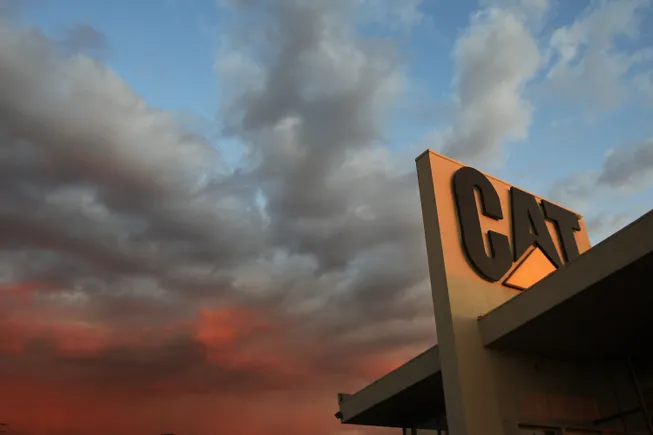
Atlas Energy Solutions ने Caterpillar, औद्योगिक उपकरण विशाल, कडून $840 मिलियन पॉवर उत्पादन असेट्स खरेदी करण्याचा करार घोषित केला आहे. हा अधिग्रहण Caterpillar च्या गैर-मुख्य विद्युत उत्पादन होल्डिंग्स विक्रय करण्याचा रणनीतिक निर्णय आणि त्या क्षणी वितरित उत्पादन क्षमतेचा पर्याप्त पोर्टफोलिओ तयार करण्याची Atlas Energy ची महत्वाकांक्षा दोन्हीचे संकेत देते.
हा व्यवहार Caterpillar द्वारे संचालित किंवा वित्तपोषित विद्युत उत्पादन असेट्सचा समावेश करतो, जो औद्योगिक, व्यावसायिक आणि आपातकालीन विद्युत अनुप्रयोगांमध्ये वापरल्या जाणार्या जनरेटर आणि इंजिनांचे निर्माता म्हणून Caterpillar च्या दीर्घ इतिहासास प्रतिबिंबित करतो. Caterpillar साठी, विक्रय कंपनीला मुख्य उपकरण उत्पादन आणि वित्तीय सेवांवर लक्ष केंद्रित करण्यास अनुमती देतो.
Atlas Energy, जो वितरित विद्युत बाजारात आपली स्थिती तयार करत आहे, हे अधिग्रहण हे मोठ्या औद्योगिक आणि तंत्रज्ञान ग्राहकांची सेवा करण्यासाठी आवश्यक असलेल्या स्केलवर कार्य करण्याची रूपांतरकारी पायरी मानते. व्यवहारचे वेळ वितरित विद्युत निवेशसाठी सर्वात अनुकूल वातावरणांपैकी एकीशी संबंधित आहे.
वितरित विद्युत का या क्षणी महत्वाचे आहे
या व्यवहारास चालना देणार्या बाजार गतिशीलता सरळ आहे: AI-संचालित डेटा सेंटर विस्तार, औद्योगिक उत्पादनाचा राजस्व आणि वाढती ग्रिड विश्वसनीयता चिंताओं यांचा संयोजन वितरित विद्युत उत्पादनाची असाधारण मागणी निर्माण केली आहे. मोठ्या औद्योगिक सुविधा बांधणार्या किंवा विस्तारित करणार्या कंपन्या यांना यापुढे असे गृहीत धरू शकत नाहीत की ग्रिड विद्युत त्यांना हवे असलेल्या वेळी आणि ठिकाणी स्वीकार्य किंमत आणि विश्वसनीयतेवर उपलब्ध असेल.
विशेषत: डेटा सेंटर ऑपरेटर वितरित उत्पादनाचे मोठे उपभोक्ता बनले आहेत, ग्रिड कनेक्शन पूरक करण्यासाठी, महत्वपूर्ण संगणन अवसंरचनेसाठी बॅकअप विश्वसनीयता प्रदान करण्यासाठी वापर करत आहेत. विशिष्ट स्थानावर वितरित केली जाऊ शकणार्या आणि उच्च विश्वसनीयतेने संचालित केली जाऊ शकणार्या विद्युतेचे मूल्य परिणामी लक्षणीयरित्या वाढले आहे.
अर्धसंचालक उत्पादन, बॅटरी उत्पादन आणि इतर ऊर्जा-गहन प्रक्रियांमध्ये औद्योगिक उत्पादक समान विद्युत उपलब्धता समस्येचा सामना करत आहेत, त्यानी वितरित उत्पादन समाधानाकडे वळले आहे. $840 मिलियन Caterpillar पोर्टफोलिओ या मागणी नमुन्यात अचूकपणे बसतो.

Caterpillar व्यवहारातून काय मिळवते
Caterpillar साठी, विक्रयाचे कारण खरेदीच्या कारणाचा उलट आहे. निर्माता आणि वित्तीय सेवा प्रदाता म्हणून दीर्घमुदत शक्ती अवसंरचना ऑपरेटर नसून, मोठ्या उत्पादन असेट्स पोर्टफोलिओ धारण करणे भांडवल बांधते जी उपकरण उत्पादन, तंत्रज्ञान विकास आणि वित्तीय सेवा उत्पादनाकडे पुन: तैनात केली जाऊ शकते. वर्तमान बाजारात विद्युत असेट्सचे प्रशंसनीय मूल्य हे अधिग्रहण खर्चाच्या पलीकडे वाढलेल्या होल्डिंग्स नुकसान करण्यासाठी लाभदायक वेळ बनवते.
Caterpillar वितरित विद्युत व्यवसाय सोडत नाही — तो जनरेटर, इंजिन आणि विद्युत व्यवस्थापन प्रणालीचा प्रमुख निर्माता राहिला आहे. विक्रय अधिक अचूकपणे असेट मालकी कार्य आणि उपकरण उत्पादन आणि सेवा कार्यांचे वेगळीकरण आहे.
कंपनीचे डीलर नेटवर्क आणि सेवा अवसंरचना सेवा कराराच्या अंतर्गत विक्रित असेट्स समर्थन करणे सुरू ठेवेल.
Atlas Energy ची रणनीतिक खेळ
Atlas Energy Solutions ने औद्योगिक ग्राहकांसाठी एकीकृत ऊर्जा समाधान प्रदानकर्ता म्हणून स्वतःला स्थित केले आहे, विद्युत उत्पादन असेट्स, इंधन पूरक, लॉजिस्टिक्स आणि परिचालन सेवा एकत्रित केली आहे. Caterpillar अधिग्रहण कंपनीचे उत्पादन पोर्टफोलिओमध्ये महत्वपूर्ण स्केल जोडून या रणनीतीला गती देते.
कंपनी विशेषत: Permian Basin आणि इतर उत्पादन क्षेत्रांमध्ये तेल आणि गॅस क्रियाकलापांची सेवा करत आहे, जेथे ड्रिलिंग आणि प्रक्रिया क्रियाकलापांसाठी विश्वसनीय विद्युत महत्वपूर्ण आहे. विस्तृत पोर्टफोलिओ Caterpillar व्यवहारातून Atlas Energy ची भौगोलिक श्रेणी आणि ग्राहक बेस विस्तृत करते.
अधिग्रहणाची वित्तपोषण अवसंरचना निवेशाच्या वर्तमान वातावरणास प्रतिबिंबित करते, जेथे संस्थात्मक भांडवल अनुबंधित महसूल प्रवाह असलेल्या विद्युत उत्पादन असेट्समध्ये मजबूत भूक दर्शविले आहे.
व्यापक ऊर्जा क्षेत्र प्रभाव
हा व्यवहार अलिकडच्या महिन्यांमध्ये पूर्ण किंवा घोषित केलेल्या अनेक महत्वपूर्ण वितरित शक्ती व्यवहारांपैकी एक आहे, जो ऊर्जा क्षेत्रामध्ये भांडवल प्रवाहाचा व्यापक पुनर्निर्देशन प्रतिबिंबित करतो. वितरित विद्युत अवसंरचनेत वाहणार्या निवेशाचे प्रमाण परंपरागत उपयोगिता-स्केल उत्पादन कंपन्यांच्या बाजूने विशेषज्ञ ऑपरेटरांचा नवीन स्तर तयार करत आहे.
डेटा सेंटर ऑपरेटर, औद्योगिक कंपन्या आणि इतर मोठ्या शक्ती उपभोक्ता क्रमशः शुद्ध ग्रिड अवलंबनाचे विकल्प शोधत असल्याने, Atlas Energy सारख्या वितरित विद्युत विशेषज्ञांचे मूल्य प्रस्ताव अधिक मजबूत होण्याची शक्यता आहे. $840 मिलियन व्यवहार संरचनात्मक यानचक्रीय या मागणी नमुन्याचा विश्वास प्रतिबिंबित करतो.
हा लेख Utility Dive च्या अहवालांवर आधारित आहे. मूळ लेख वाचा.
Originally published on utilitydive.com