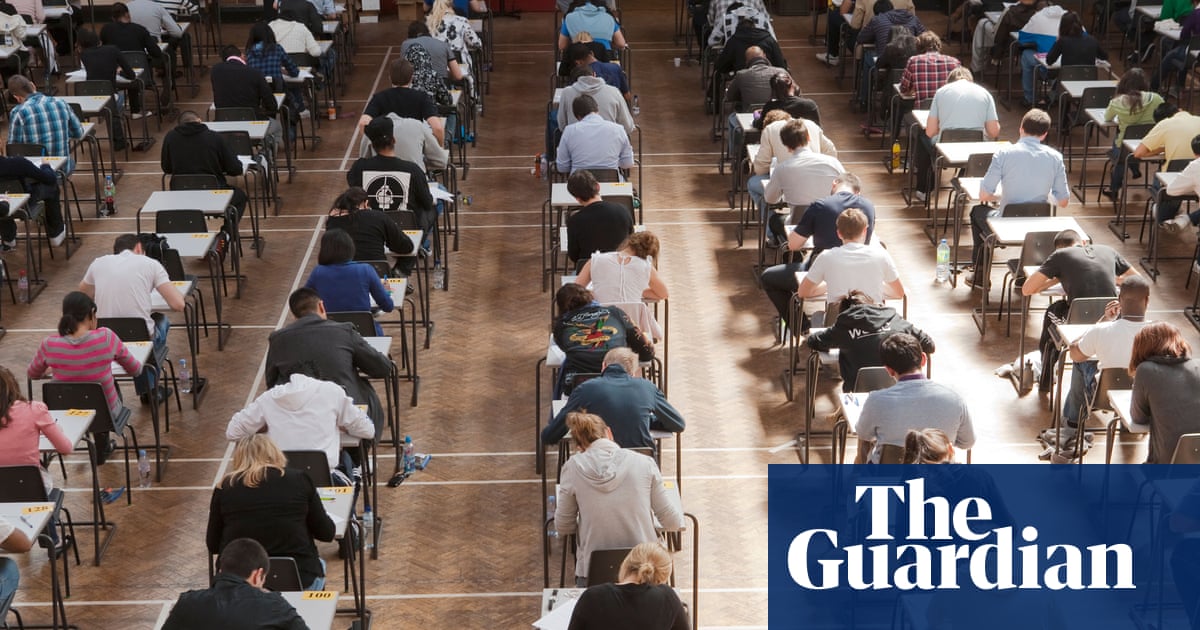
इंग्लंडचा परीक्षा नियामक नवे गैरप्रकाराचे धोके पाहत आहे
इंग्लंडच्या qualification watchdog ने इशारा दिला आहे की wearable devices ची नवी पिढी परीक्षेतल्या गैरप्रकारांना शोधणे अधिक कठीण आणि त्यांचा प्रसार अधिक सोपा करू शकते. Ofqual चे chair Ian Bauckham यांच्या मते, इंटरनेटशी जोडलेली smartglasses, अदृश्य earpieces आणि प्रगत smartwatches, शाळा आणि नियामकांनी वेगाने प्रतिसाद दिला नाही तर GCSE, AS आणि A-level परीक्षांची integrity कमकुवत करू शकतात.
हा इशारा एखाद्या काल्पनिक भविष्यासंबंधी नसून आधीपासून सुरू असलेल्या प्रवाहाचा विस्तार आहे. परीक्षा हॉलमध्ये mobile phones आणि इतर connected devices बाळगल्याबद्दल दंडित झालेल्या विद्यार्थ्यांची संख्या वाढतच असल्याचे Ofqual सांगते, आणि 2018 पासून दरवर्षी हेच परीक्षा गैरप्रकारांचे सर्वात मोठे वर्ग राहिले आहेत.
गेल्या उन्हाळ्यात, नियामकाने GCSE, AS आणि A-level सेटिंग्जमध्ये mobile phones आणि smart devices संबंधित 2,225 प्रकरणांची नोंद केली. आता चिंता अशी आहे की अधिक सूक्ष्म उपकरणांमुळे शोध घेणे यापेक्षा अधिक कठीण होऊ शकते.
Wearables समस्या का बदलतात
Smartphones disruptive होते कारण ते विद्यार्थ्यांना internet, messaging आणि बाह्य मदतीशी जोडत होते. Smartwatches ने तेच धोके लहान आणि अधिक लपवता येतील अशा hardware मध्ये आणले. Smartglasses आणि जवळजवळ अदृश्य earpieces ही समस्या आणखी पुढे नेतात, कारण ती prompts किंवा communications अशा उपकरणांमध्ये बसवतात जी invigilators ना ओळखणे किंवा समजणे कठीण जाते.
Bauckham यांनी विशेषतः अशा smartglasses चा उल्लेख केला जे lens च्या आत फक्त परिधान करणाऱ्यालाच दिसेल असा text दाखवू शकतात. ही क्षमता consumer devices मध्ये सर्वत्र पसरली, तर पारंपरिक परीक्षा-सुरक्षा तपासण्या पुरेशा ठरणार नाहीत. आव्हान केवळ phones जप्त करण्याचे नाही; तर सामान्य कपडे आणि accessories मध्ये मिसळणाऱ्या networked objects चा व्यापक वर्ग ओळखण्याचे आहे.
याचा थेट परिणाम qualifications वरील विश्वासावर होतो. परीक्षा universities, employers आणि public systems साठी sorting mechanisms म्हणून काम करतात. covert digital assistance मिळवणे सोपे झाले, आणि enforcement त्याच गतीने विकसित झाले नाही, तर exam grades चा अर्थ कमी विश्वासार्ह होतो.

AI देखील coursework वर दबाव आणत आहे
Ofqual ची चिंता फक्त exam-hall hardware पुरती मर्यादित नाही. शिक्षकांना ते ओळखणे कठीण जात असल्याचे सांगितल्यामुळे, England मधील GCSE आणि A-level courses च्या coursework मध्ये AI चा संभाव्य वापर तपासला जात असल्याचे Bauckham म्हणाले. त्यामुळे integrity challenge ला दोन आघाड्या मिळतात: एक supervised exams मध्ये, दुसरी take-home किंवा partially supervised assignments मध्ये.
हे दोन दबाव संबंधित आहेत, पण एकसारखे नाहीत. Wearable devices live assessment conditions मध्ये covert assistance देऊन धोका निर्माण करतात. Generative AI drafting, analysis किंवा polished language बाहेरून करून घेणे सोपे करून coursework वर परिणाम करते, आणि authorship ची ठळक चिन्हेही सोडत नाही. एकत्रितपणे, हे नियामकांना physical exam security आणि assessment design दोन्ही नव्याने विचारात घ्यायला भाग पाडतात.
मोठी अडचण अशी की school qualification systems जुन्या technological environment साठी बांधले गेले होते. Connected devices आणि generative tools आता policy cycles पेक्षा जलद पुढे जात आहेत, म्हणजे सर्व पुरावे किंवा best practices निश्चित होण्याआधीच नियामकांना पावले उचलावी लागू शकतात.
Policy response अधिक कडक होण्याची शक्यता
Ofqual च्या भाषेतून कठोर checks अधिक वाढण्याची शक्यता दिसते. याचा अर्थ stricter screening, काही प्रकारच्या wearable tech वर स्पष्ट bans, किंवा coursework authentication आणि evaluation च्या पद्धतीत व्यापक सुधारणा असा होऊ शकतो. नेमकी पावले अजून स्पष्ट नाहीत, पण दिशा स्पष्ट आहे: धोका कमी होत नाही, वाढतो आहे, असा नियामकांचा विश्वास आहे.
म्हणूनच Bauckham यांनी England च्या qualification system ला national asset म्हटले. सार्वजनिक विश्वास हा विद्यार्थ्यांचे मूल्यमापन तुलनात्मक परिस्थितीत होत आहे, या सामायिक गृहीतकावर टिकून असतो. ते गृहीतक कमकुवत झाले, की नुकसान व्यक्तिगत गैरप्रकारांपुरते मर्यादित राहत नाही, तर संपूर्ण व्यवस्थेच्या विश्वासार्हतेवर परिणाम करते.
त्यामुळे नियामकांचा इशारा केवळ gadgets बद्दल नाही. तो वेगाने बदलणाऱ्या consumer technology आणि स्थिर नियमांवर अवलंबून असलेल्या संस्थांमधील धडकेबद्दल आहे. त्या धडकेत, परीक्षा व्यवस्था एकतर वेगाने जुळवून घेईल, नाहीतर खूपच जुन्या युगासाठी बनवलेल्या साधनांनी मानके सांभाळण्याचा प्रयत्न करेल.
हा लेख The Guardian च्या रिपोर्टिंगवर आधारित आहे. मूळ लेख वाचा.

Originally published on theguardian.com