कठीण नियामक समस्येसाठी नवे भांडवल
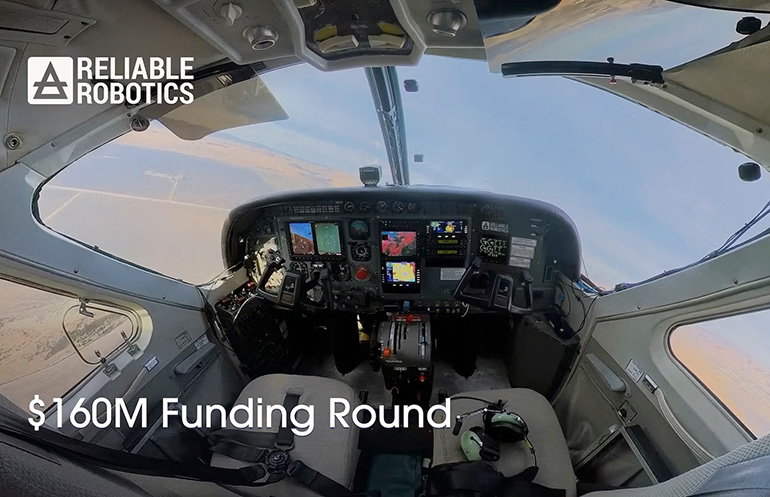
Reliable Robotics ने नागरी आणि लष्करी विमानांसाठी आपली Reliable Autonomy System विकसित करत राहण्यासाठी आणि FAA प्रमाणनाकडे काम करण्यासाठी 160 दशलक्ष डॉलर उभारले आहेत. हे The Robot Report च्या 23 एप्रिलच्या लेखातील मुख्य मुद्दे आहेत, आणि हेच या वित्तपुरवठ्याचे महत्त्व समजण्यासाठी पुरेसे आहेत. स्वयंचलित विमानवाहतुकीत पैसा हा केवळ वाढीसाठीचा इंधन नाही. तो प्रमाणन, अभियांत्रिकी पडताळणी, आणि जगातील सर्वात मागणी असलेल्या सुरक्षा वातावरणांपैकी एकात प्रणाली परिपक्व करण्यासाठी खरेदी केलेला वेळ आहे.
विमानांमधील autonomy ला नेहमीच अनेक जमिनीवरील प्रणालींपेक्षा उच्च निकषांचा सामना करावा लागतो. अपयशाची किंमत वेगळी असते, प्रमाणनाचा भार वेगळा असतो, आणि कार्यरत वातावरण अत्यंत नियंत्रित असते. त्यामुळे या क्षेत्रातील निधीची घोषणा कमी नियंत्रित robotics भागांमधील घोषणांपेक्षा वेगळा अर्थ घेते. कंपनी फक्त विक्री वेगाने वाढवण्यासाठी पैसे उभारत नाही. ती नियामक, ग्राहक, आणि भागीदारांसोबत दीर्घ विश्वासनिर्मिती प्रक्रियेत टिकून राहण्यासाठी आणि पुढे जाण्यासाठी पैसे उभारत आहे.
Reliable Robotics हा फेरीत नेमक्याच त्या संदर्भात वापरत असल्याचे दिसते. कंपनी काम पूर्ण झाल्याचे जाहीर करण्याऐवजी विकास सुरू ठेवत आहे, आणि FAA प्रमाणनाकडे काम करत आहे; मंजुरीचा अडथळा पार केल्याचे जाहीर करत नाही. हे फरक महत्त्वाचे आहेत, कारण ते कंपनीला कोणत्याही aviation-autonomy कार्यक्रमाच्या सर्वात निर्णायक टप्प्याच्या मध्यभागी ठेवतात: प्रणाली एकाच वेळी कार्यप्रदर्शन अपेक्षा आणि नियामक मानके पूर्ण करू शकते हे सिद्ध करणे.
प्रणालीची महत्त्वाकांक्षा मुद्दाम व्यापक आहे
नोंदवलेले लक्ष्य बाजारही लक्ष देण्याजोगे आहे. Reliable Robotics आपली autonomy system नागरी आणि लष्करी दोन्ही विमानांसाठी स्थित करत आहे. ही व्याप्ती दर्शवते की कंपनी एका अरुंद, एकाच वापराच्या अनुप्रयोगाऐवजी technology platform वर काम करत आहे. मूलभूत प्रणाली अनुकूल ठरली, तर platform strategy शक्तिशाली ठरू शकते; पण त्याचबरोबर पडताळणी, एकत्रीकरण, आणि हितधारकांच्या विश्वासावरची गरजही वाढते.
नागरी आणि लष्करी संदर्भांना सेवा देणे म्हणजे प्रणाली वेगवेगळ्या खरेदीदारांना आणि मूल्यमापनकर्त्यांना समजण्याजोगी असली पाहिजे. नागरी नियामक प्रमाणन मार्ग आणि कार्यसुरक्षा याकडे लक्ष देतात. लष्करी हितधारक भिन्न परिस्थितींतील विश्वासार्हता, लवचिकता, आणि mission utility याकडे पाहू शकतात. दोन्हीचा पाठपुरावा संधी वाढवू शकतो, पण कंपनीला उत्तर द्यावे लागणाऱ्या प्रश्नांचा संचही व्यापक करतो.
म्हणूनच वित्तपुरवठ्याची रक्कम महत्त्वाची आहे. 160 दशलक्ष डॉलर उभारणे म्हणजे यशाचा पुरावा नाही, पण गुंतवणूकदारांना संधी पुरेशी मोठी आणि मार्ग पुरेसा शक्य वाटतो, याचा तो संकेत आहे. विमान autonomy मध्ये, जिथे विकासचक्रे लांब असतात आणि तांत्रिक दावे काटेकोर तपासणीला सामोरे जातात, त्या पातळीचा पाठिंबा स्वतःच एक अर्थपूर्ण संकेत आहे.

प्रमाणन अजूनही मुख्य bottleneck आहे
लेखातील सर्वात महत्त्वाचा वाक्यांश "FAA प्रमाणनाकडे काम करत आहे" हा असू शकतो. स्वयंचलित विमानवाहतूक प्रकल्प इथेच बहुधा वैधता मिळवतात किंवा अडकतात. तांत्रिक आव्हान प्रचंड आहे, पण नियामक आव्हानच एक सक्षम prototype ला प्रत्यक्ष हवाई क्षेत्रात कायमस्वरूपी स्वीकृतीसह कार्यरत उत्पादनात रूपांतरित करते.
प्रमाणन हे marketing milestone नाही. सुरक्षितता, विश्वासार्हता, redundancy, आणि system behavior यांवरील दाव्यांची औपचारिक मानकांशी तुलना करून चाचणी घेण्याची ती प्रक्रिया आहे. कंपनी demonstrations द्वारे headlines मिळवू शकते, पण प्रमाणन आणि त्याभोवतीच्या प्रक्रियेद्वारेच ती operational standing मिळवते.
म्हणूनच या टप्प्यात capital इतका आवश्यक असतो. प्रमाणनाचे काम खर्चिक, दस्तऐवजप्रधान, आणि पुनरावृत्तीचे असते. त्यासाठी सातत्यपूर्ण अभियांत्रिकी लक्ष, पुनरुत्पादनीय पुरावे, आणि संयम लागतो. त्या टप्प्यावर एखाद्या कंपनीला साथ देणारे गुंतवणूकदार फक्त feature roadmap ला निधी देत नाहीत. ते endurance ला निधी देत आहेत.
व्यापक robotics आणि autonomy क्षेत्रासाठी हे एक महत्त्वाचे स्मरण आहे. सर्वात प्रभावी automation व्यवसाय अनेकदा जलद consumer cycle मध्ये नव्हे, तर अतिशय नियंत्रित क्षेत्रांमध्ये घडतात; जिथे प्रगती संथ असते, पुराव्याच्या गरजा अधिक असतात, आणि तांत्रिक वचन आणि व्यावसायिक तैनाती यांच्यातील अंतर मोठे असते.
विमान autonomy अजूनही का महत्त्वाची आहे
स्वयंचलित विमानांचे आकर्षण अद्याप मजबूत आहे, कारण संभाव्य उपयोग महत्त्वाचे आहेत. विश्वासार्हता वाढवू शकणारी, कार्यनम्यता वाढवू शकणारी, किंवा पारंपरिक crew models वरील अवलंबित्व कमी करू शकणारी प्रणाली स्वाभाविकपणे लक्ष वेधून घेते. नागरी आणि लष्करी दोन्ही ठिकाणी autonomy ही केवळ श्रमप्रतिस्थापन नाही; ती विमानांना अधिक सातत्याने आणि मोठ्या प्रमाणावर चालविण्याच्या नवीन पद्धतींचे वचन देते.
मूळ मजकूर विशिष्ट aircraft programs, milestones, किंवा deployment timelines देत नाही, त्यामुळे उपलब्ध माहितीपेक्षा जास्त दावा करणे चुकीचे ठरेल. तरीही, विकास सुरू राहणे, प्रमाणनाचा पाठपुरावा, आणि नागरी-लष्करी दोन्हीशी संबंधितता यांचे मिश्रण दाखवते की हा novelty pitch नाही. हे प्रत्यक्ष वाहतूक थराला लक्ष्य करणारे औद्योगिक आणि नियामक प्रयत्न आहेत.
म्हणूनच विमान autonomy अनेक पोकळ autonomy कथनांपेक्षा वेगळी ठरते. प्रश्न असा नाही की software एखादी आकर्षक demonstration करू शकते का. प्रश्न असा आहे की विद्यमान विमानवाहतूक संरचनेत automated flight स्वीकारार्ह व्हावे यासाठी कंपनी आपल्या प्रणालीभोवती पुरेसा विश्वास निर्माण करू शकते का. Reliable Robotics आता त्या प्रश्नाचे उत्तर शोधण्यासाठी अधिक चांगल्या प्रकारे वित्तपुरवठा केलेली आहे.
व्यापक autonomy बाजारासाठी एक वित्तीय संकेत
hype आणि retrenchment यांच्यात हेलकावे खात राहणाऱ्या robotics बाजारात, ही फेरी एक संकुचित पण उपयुक्त संदेशही देते: कठीण infrastructure आणि प्रमाणन समस्या हाताळणाऱ्या autonomy कंपन्यांमध्येही गुंतवणूकदार अजूनही मूल्य पाहतात, केवळ जलद software leverage वचन देणाऱ्या कंपन्यांमध्ये नाही. हे महत्त्वाचे आहे, कारण सर्वाधिक सक्षम automation संधी अशा क्षेत्रांमध्ये असतात जिथे deployment संथ असते, पण entry barriers जास्त असतात.
Reliable Robotics इथून अर्थपूर्ण प्रगती करत गेली, तर या फेरीचे महत्त्व मागे वळून पाहिल्यावर सहज समजेल. प्रवासाच्या सर्वात capital-intensive आणि credibility-sensitive टप्प्यात तिने कंपनीला आधार दिला असेल. प्रगती अपेक्षेपेक्षा मंद असली तरी, ही फेरी विमान autonomy किती संयम आणि भांडवल मागते हे दाखवेल.
कोणत्याही परिस्थितीत, हा वित्तपुरवठा एक महत्त्वाचा checkpoint आहे. Reliable Robotics abstract मध्ये automationची विक्री करत नाही. ती एका विशिष्ट autonomy system ला विमानांसाठी आवश्यक पुरावा आणि मंजुरीच्या पातळीच्या जवळ नेण्यासाठी पैसे उभारत आहे. त्यामुळे ही घोषणा केवळ funding note नाही. स्वयंचलित विमानवाहतूक किती गंभीर आणि खर्चिक आहे, याचा तो मोजमाप आहे.
पुढे काय पाहायचे
- FAA सोबतचे पुढील प्रमाणन milestones Reliable Robotics कसे मांडते.
- निधी development आणि validation मध्ये कसा वाटला जाईल हे कंपनी स्पष्ट करते का.
- प्रणाली परिपक्व होत असताना नागरी आणि लष्करी हितधारकांचा रस कसा बदलतो.
- समान नियामक अडथळ्यांसमोर इतर aircraft-autonomy कंपन्या तुलनात्मक भांडवल उभारू शकतात का.
हा लेख The Robot Report च्या रिपोर्टिंगवर आधारित आहे. मूळ लेख वाचा.
Originally published on therobotreport.com