नेटवर्क नाहीसा झाला कीच व्हॉइस AI नैसर्गिक वाटते
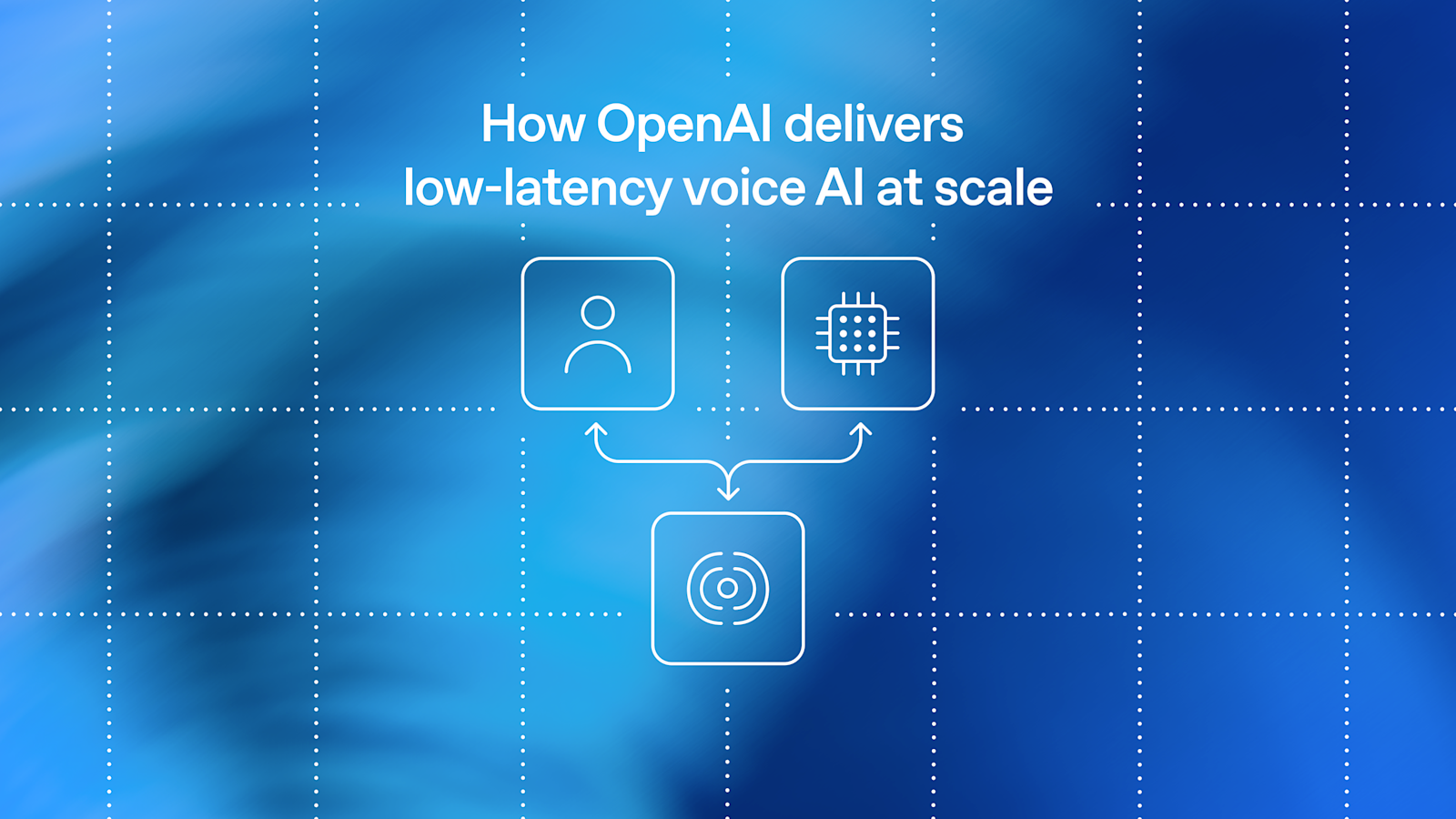
जागतिक स्तरावर कमी-latency व्हॉइस AI कशी दिली जात आहे यावर OpenAI ने एक दुर्मिळ infrastructure-level दृष्टिक्षेप प्रकाशित केला आहे. यात ChatGPT voice, Realtime API, आणि अशा agent workflows सहित उत्पादने ज्यांना वापरकर्ता अजून बोलत असताना audio process करावे लागते, त्यांना real-time speech interactions समर्थन देण्यासाठी आपल्या WebRTC stack चे पुनर्रचना कशी केली हे स्पष्ट केले आहे.
ही engineering समस्या सांगायला सोपी, पण सोडवायला अवघड आहे. बोलक्या संभाषणांना इतर अनेक software interaction प्रकारांपेक्षा विलंबाबद्दल खूपच कमी सहनशीलता असते. जेव्हा system अडखळते, वापरकर्त्याला मध्येच थांबवते, किंवा interruption वर खूप उशिरा प्रतिसाद देते, तेव्हा लोक लगेच लक्षात घेतात. OpenAI ही समस्या तीन ठोस गरजांच्या चौकटीत मांडते: 900 दशलक्षांहून अधिक weekly active users साठी जागतिक reach, session सुरू होताच वापरकर्त्यांना बोलता यावे म्हणून जलद connection setup, आणि crisp turn-taking राहावा म्हणून कमी jitter आणि packet loss सह कमी, स्थिर media round-trip time.
या उद्दिष्टांमुळे कंपनीचे सध्याचे काम model behavior पेक्षा speech तत्काळ वाटावे यासाठी लागणाऱ्या transport systems वर अधिक केंद्रित आहे हे स्पष्ट होते. व्हॉइस उत्पादनांमध्ये model ची बुद्धिमत्ता हा अनुभवाचा फक्त एक भाग असतो. उर्वरित भाग packets किती जलद आणि विश्वासार्हपणे हलतात यावर अवलंबून असतो.
AI उत्पादनांसाठी WebRTC का महत्त्वाचे आहे
OpenAI च्या पोस्टमध्ये WebRTC हे client-to-server voice AI साठी अजूनही एक व्यवहार्य पायाभूत तत्त्व आहे यावर भर देण्यात आला आहे, कारण ते interactive media delivery चे कठीण भाग standardize करते. यात ICE द्वारे connectivity establishment आणि NAT traversal, DTLS आणि SRTP द्वारे encrypted transport, codec negotiation, RTCP द्वारे quality control, तसेच echo cancellation आणि jitter buffering यांसारख्या client-side क्षमता समाविष्ट आहेत.
ब्राउझर, मोबाइल अॅप्स, आणि server infrastructure मध्ये काम करणाऱ्या कंपनीसाठी हे standardization fragmentation कमी करते. याशिवाय, प्रत्येक client environment ला connectivity, encryption, codec support, आणि network adaptation साठी वेगळी उत्तरे लागली असती. mature standard आणि व्यापक open-source WebRTC ecosystem वर आधार घेत OpenAI म्हणते की ते पूर्ण communications stack शून्यातून पुन्हा तयार करण्याऐवजी real-time media streams आणि models यांना जोडणाऱ्या infrastructure वर आपला engineering प्रयत्न केंद्रित करू शकते.
हा व्यापक AI उद्योगासाठी एक व्यावहारिक संदेश आहे. Real-time AI म्हणजे फक्त audio जलद तयार करणे नाही. ते स्थापित communications protocols आणि model-serving systems यांना अशा प्रकारे जोडणे आहे की परिचित client behavior कायम राहील, पण नेटवर्कच्या खोल पातळीवर काय घडते ते बदलले जाईल.

पुनर्रचनेला भाग पाडणारे scaling constraints
OpenAI नुसार, त्याच्या real-time AI team ने system पुन्हा architect केला कारण scale वर तीन constraints एकमेकांवर आदळू लागले होते. पहिले, one-port-per-session media termination हे OpenAI infrastructure सोबत नीट बसत नव्हते. दुसरे, stateful ICE आणि DTLS sessions साठी स्थिर ownership आवश्यक होती. तिसरे, global routing ने first-hop latency कमी ठेवणे गरजेचे होते.
या खोल operational चिंता आहेत, पण त्या मोठ्या architectural transition कडे निर्देश करतात. सुरुवातीची किंवा लहान-scale real-time systems अनेकदा असे designs सहन करू शकतात जे traffic volumes वाढल्यावर brittle होतात. अनेक sessions साठी जे चालते ते विविध regions आणि network conditions मध्ये पसरलेल्या लाखो concurrent interactions साठी हमखास चालेलच असे नाही.
OpenAI चे उत्तर म्हणजे ते split relay plus transceiver architecture असे वर्णन करते. मुख्य कल्पना म्हणजे client च्या दृष्टीने standards-compliant WebRTC behavior जपणे, पण कंपनीच्या infrastructure मध्ये packet routing बदलणे. प्रत्यक्षात, बाह्य interface परिचित राहतो, पण अंतर्गत मार्ग OpenAI च्या scale, ownership, आणि routing गरजांसाठी अधिक अनुकूल होतो.
हा design choice मोठ्या infrastructure systems मध्ये दिसणाऱ्या पॅटर्नचे प्रतिबिंब आहे: शक्य असल्यास clients मोडू नका, complexity आतल्या बाजूला हलवा. voice APIs वर काम करणाऱ्या developers साठी याचे आकर्षण स्पष्ट आहे. edge वर standard behavior integration friction कमी करते, तर service provider ला global media orchestration चा कठीण भार पेलावा लागतो.
Latency आता एक product feature आहे
या पोस्टमधून voice AI चे मूल्यांकन कसे करावे यातील बदलही अधोरेखित होतो. Latency, jitter, आणि packet loss हे आता network engineers साठी राखून ठेवलेले background metrics नाहीत. ते थेट product quality शी जोडलेले आहेत. वापरकर्त्यांना ते awkward pauses, उशिरा येणाऱ्या interruptions, आणि बिघडलेल्या conversational rhythm म्हणून जाणवतात.
हे अनेक emerging use cases साठी महत्त्वाचे आहे. Consumer voice assistants ना इतके responsive असणे आवश्यक आहे की ते नैसर्गिक संवाद टिकवू शकतील. Realtime API वापरणाऱ्या developers ना अशा audio sessions ची गरज आहे जी पटकन सुरू होतील आणि प्रतिकूल network conditions मध्येही स्थिर राहतील. Interactive agents ना वापरकर्ता बोलत असताना ऐकावे लागते, barge-in behavior हाताळावे लागते, आणि संभाषणाच्या प्रवाहापासून वेगळे वाटू न देता प्रतिसाद द्यावा लागतो.
OpenAI चे framing सूचित करते की speech interfaces अशा टप्प्यात प्रवेश करत आहेत जिथे infrastructure performance हा वेगळेपणा निर्माण करणारा घटक बनेल. जर model सक्षम असेल पण transport layer instability आणत असेल, तर अनुभव अजूनही कमकुवतच वाटतो. परिणामी, routing, session ownership, आणि media handling यावरील systems work AI product design च्या केंद्रस्थानी येत आहे, दुय्यम नाही.
या जाहीर प्रकटीकरणाचा अर्थ काय
हे architecture work प्रकाशित करण्याचा OpenAI चा निर्णय स्वतःमध्येच महत्त्वाचा आहे. यातून स्पष्ट होते की real-time voice आता text systems ला जोडलेला niche feature राहिलेला नाही. तो आता इतका महत्त्वाचा आणि इतका मोठा झाला आहे की specialized transport engineering आणि सार्वजनिक स्पष्टीकरण यांना योग्य ठरतो. कंपनी प्रत्यक्षात असे सांगत आहे की global-scale conversational AI साठी speech-first interaction साठी बनवलेला networking stack आवश्यक आहे, फक्त API च्या मागे एक शक्तिशाली model नव्हे.
पोस्टमधील scale figure, 900 दशलक्षांहून अधिक weekly active users, या बदलांचे महत्त्व का आहे याचा संदर्भ देते. त्या स्तरावर connection setup किंवा media round-trip time मध्ये लहान सुधारणा देखील प्रचंड संख्येतील sessions वर परिणाम करू शकतात. Reliability आता स्वतंत्र वापरकर्ता निराशेचा विषय राहत नाही; ती platform-wide operating requirement बनते.
Developers आणि infrastructure teams साठी व्यापक धडा असा की voice AI चा पुढचा टप्पा model serving आणि communications engineering यांच्या एकत्रिकरणाने आकारला जाईल. चांगली speech interaction या दोन्हींवर अवलंबून असते. OpenAI चे redesign फक्त जलद pipeline चे वर्णन करत नाही. ते low-latency voice AI ही end-to-end systems problem आहे ही वाढती वास्तविकता मांडते.
जर voice interfaces मानव संभाषणाइतके तत्काळ वाटायचे असतील, तर AI उद्योगाला inference speed पेक्षा अधिक काही सोडवावे लागेल. त्याला network path देखील सोडवावा लागेल. OpenAI चा WebRTC overhaul हा त्या खोल बदलाचा एक नमुना आहे, demo-quality voice पासून production-grade conversational infrastructure कडे जाणारा.
हा लेख OpenAI च्या रिपोर्टिंगवर आधारित आहे. मूळ लेख वाचा.
Originally published on openai.com