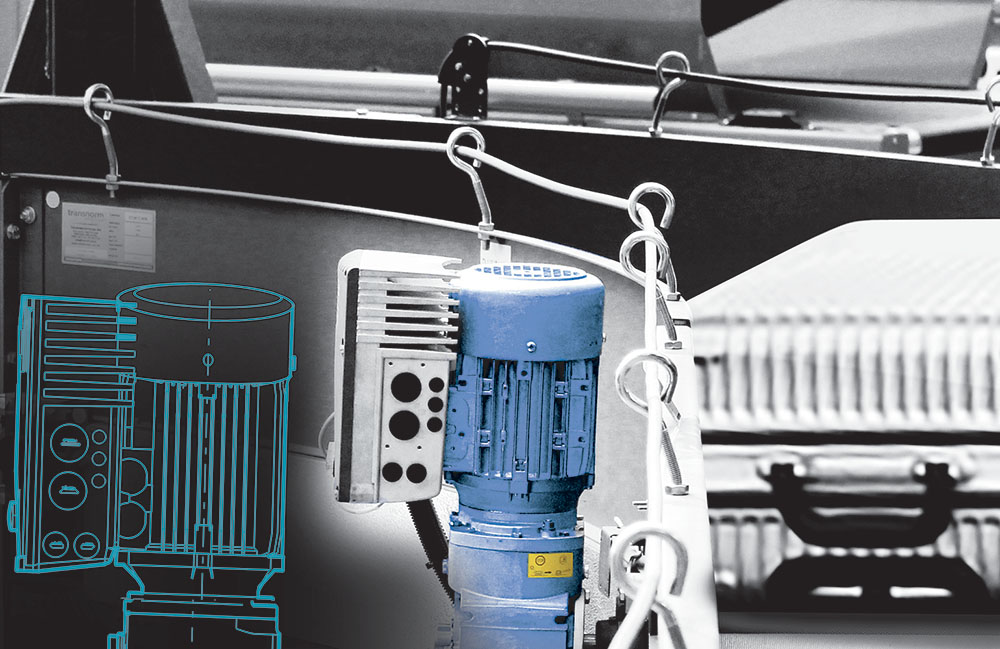
Bridging the Gap Between Design and Reality
NORD, the global drive technology manufacturer, has introduced a digital twin simulation platform aimed squarely at robotics developers and automation engineers. The platform allows users to create virtual replicas of drive systems, including motors, gearboxes, and frequency inverters, and test their performance under realistic operating conditions before committing to physical hardware. It represents a significant step in the company's push to modernize how drive systems are specified, validated, and integrated into robotic platforms.
The core promise of the digital twin approach is straightforward: by simulating drive behavior in software, engineers can identify problems early in the planning phase rather than discovering them after expensive prototypes have been manufactured. NORD says its platform can model everything from torque curves and thermal behavior to energy consumption and mechanical stress, giving developers a comprehensive picture of how a drive concept will perform in the real world.
How the Platform Works
The simulation environment is built around NORD's existing product catalog, which includes a wide range of gear motors, industrial gear units, and drive electronics. Engineers select components from the catalog, configure them for their specific application, and then run simulations that model the system's behavior under various operating scenarios.
Key capabilities of the platform include the following:
- Thermal modeling: Simulations predict how much heat drive components will generate under sustained load, helping engineers determine whether additional cooling measures are necessary.
- Efficiency analysis: The platform calculates energy consumption across different operating profiles, allowing developers to optimize for minimum power draw, a critical consideration for battery-powered robotic systems.
- Mechanical stress simulation: Engineers can model the forces acting on gearboxes and motor shafts under peak load conditions, identifying potential failure points before physical testing begins.
- Dynamic load profiling: The system supports variable load scenarios, such as a robotic arm that alternates between high-torque lifting and low-torque positioning, giving a more realistic picture of real-world performance.
NORD has integrated the platform with standard engineering file formats, making it possible to export simulation results into CAD and PLM systems that engineers are already using. This interoperability is important because drive system selection is rarely a standalone decision. It must fit within a broader mechanical and electrical design, and seamless data exchange between tools reduces the friction of incorporating simulation results into the overall engineering workflow.
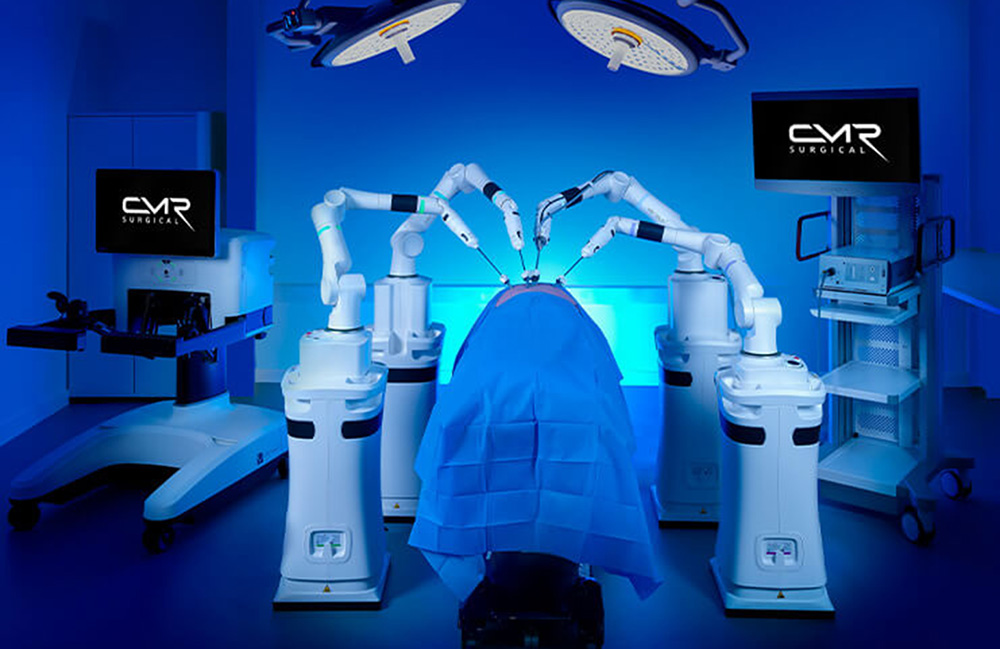
Why Digital Twins Matter for Robotics
The robotics industry has been moving steadily toward simulation-first development for years, and the trend has accelerated as robots become more complex and the cost of physical prototyping continues to rise. Digital twin technology sits at the intersection of several converging forces that are reshaping how robotic systems are designed and built.
First, the sheer variety of robotic applications means that drive systems must be optimized for very different operating conditions. A drive configuration that works perfectly for a warehouse logistics robot may be entirely wrong for an agricultural harvesting machine or a collaborative manufacturing arm. Simulation allows engineers to test multiple configurations quickly, narrowing the field before any metal is cut.
Second, time-to-market pressures in the robotics industry are intense. Startups and established manufacturers alike are racing to deploy new platforms, and every week spent on physical prototype iteration is a week that competitors can use to gain ground. A simulation platform that reliably predicts real-world performance can compress development timelines significantly.
Third, sustainability considerations are becoming increasingly important. Physical prototyping generates waste, consumes energy, and requires raw materials. By reducing the number of prototype iterations needed, digital twin platforms contribute to more resource-efficient development processes.
NORD's Strategic Position
NORD is not the first company to offer digital twin capabilities for drive systems, but its platform is notable for the depth of integration with its own product line. Because the simulations are built around NORD's actual component specifications, the results are tied directly to products that can be ordered and delivered, rather than idealized models that may not correspond to any available hardware.
This tight coupling between simulation and supply chain is a competitive advantage. Engineers who use the platform to validate a drive concept can transition directly to procurement without the guesswork that sometimes accompanies the move from simulation to production. NORD says that customers using the platform have reported significantly shorter specification cycles and fewer post-installation surprises.
The company also positions the platform as a service tool, not just a design tool. Existing NORD customers can use it to evaluate whether drive system upgrades or replacements will deliver the expected performance improvements before committing to the expense of retrofitting installed equipment.
Implications for the Broader Robotics Ecosystem
The release of NORD's platform reflects a broader industry shift toward componentized, simulation-validated development. As drive technology becomes more sophisticated, with features like integrated condition monitoring, predictive maintenance, and adaptive control algorithms, the need for accurate pre-deployment simulation grows correspondingly.
For robotics developers, platforms like this reduce one of the persistent pain points in system integration: the uncertainty around whether a specified drive system will actually perform as expected in the target application. That uncertainty has historically led to over-specification, where engineers select larger, more expensive drives than strictly necessary to build in a margin of safety, or to costly field failures when an under-specified drive encounters loads it was not designed to handle.
By providing a reliable virtual testing ground, NORD's digital twin platform aims to shrink that uncertainty and give robotics developers greater confidence in their drive system choices, ultimately leading to better-performing robots that reach the market faster and cost less to develop.
This article is based on reporting by The Robot Report. Read the original article.
Originally published on therobotreport.com