Diplomacy and Deterrence: A Dual-Track Approach to Iran
In a move that encapsulates the complexity of modern geopolitics, the United States and Iran are reportedly preparing for a round of diplomatic negotiations at the same time that the Pentagon is accelerating the deployment of military assets to the Middle East. The parallel tracks — one aimed at de-escalation, the other at demonstrating resolve — reflect the Biden administration's belief that credible military strength and diplomatic engagement are not contradictory but complementary tools of statecraft.
According to officials familiar with the planning, talks are expected to take place through intermediaries in a Gulf state capital, with the agenda covering Iran's nuclear program, its support for regional proxy forces, and the broader security architecture of the Persian Gulf. The negotiations follow months of back-channel communications facilitated by Oman and Qatar, both of which have historically served as intermediaries between Washington and Tehran.
The Military Buildup
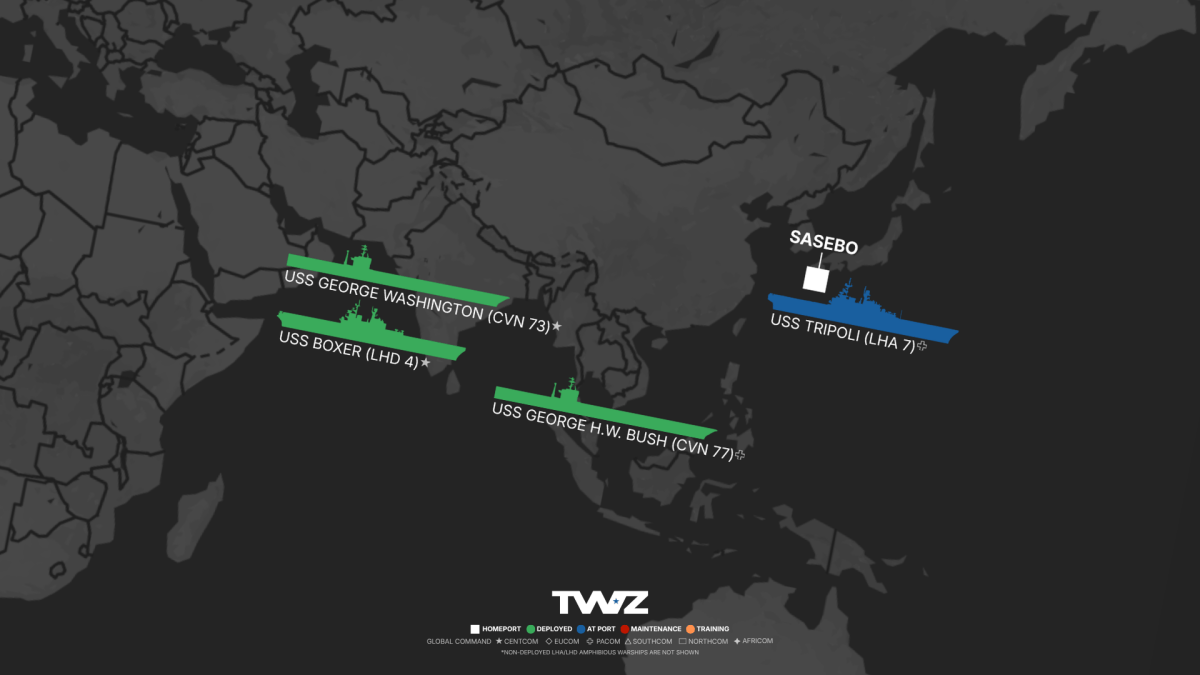
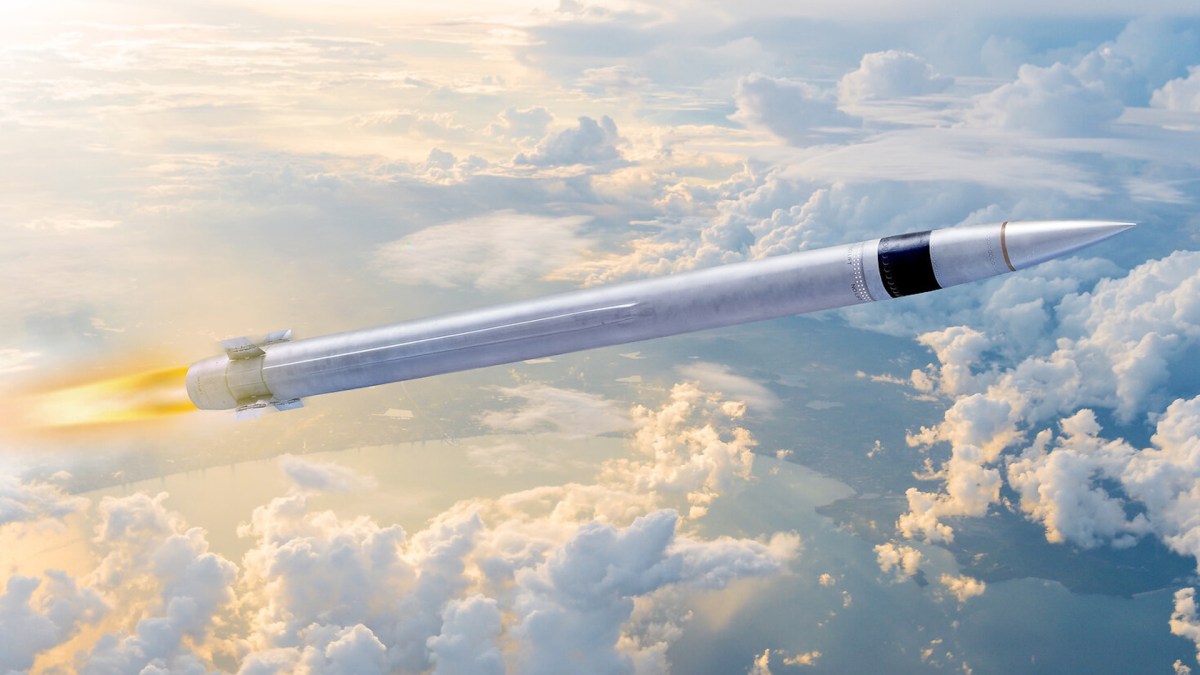
Even as diplomatic preparations advance, the US Central Command (CENTCOM) has overseen a significant reinforcement of military capabilities in the region. The deployments include an additional carrier strike group, a squadron of F-22 Raptor stealth fighters, and a battery of Patriot air defense systems. B-52 strategic bombers have also been rotating through bases in the Gulf region, conducting presence patrols that are carefully calibrated to be visible to Iranian surveillance.
The reinforcements come on top of forces already positioned in the region following the escalation of Houthi attacks on Red Sea shipping and periodic exchanges of fire between US forces and Iran-backed militia groups in Iraq and Syria. The combined force posture represents one of the largest US military concentrations in the Middle East since the early stages of the campaign against ISIS.
Signal and Substance
Military officials emphasize that the deployments serve both deterrent and operational purposes. The carrier strike group extends the range and density of air defense coverage across the Gulf, while the F-22s provide a qualitative overmatch that no regional air force can challenge. The Patriot batteries reinforce the defense of critical infrastructure in partner nations, particularly Saudi Arabia and the United Arab Emirates, which have faced repeated drone and missile attacks from Houthi forces.
But the deployments are also a signal. By demonstrating the ability to rapidly project overwhelming force into the region, Washington aims to convince Tehran that military escalation would be met with a response the Islamic Republic cannot afford. This calculus is central to the administration's strategy: negotiate from strength, but negotiate nonetheless.
What Is on the Table
The diplomatic agenda is ambitious and multifaceted. At the top of the list is Iran's nuclear program, which has advanced significantly since the collapse of the Joint Comprehensive Plan of Action (JCPOA) in 2018. International Atomic Energy Agency (IAEA) reports indicate that Iran has enriched uranium to 60 percent purity — a short technical step from the 90 percent needed for weapons-grade material — and has accumulated stockpiles far beyond what any civilian program would require.
The United States is seeking commitments from Iran to cap enrichment levels, reduce its stockpile, and allow enhanced IAEA inspections. In exchange, Washington is reportedly prepared to offer targeted sanctions relief, particularly on oil exports, which would provide Tehran with badly needed revenue for its struggling economy.
Proxy Forces and Regional Security
Beyond the nuclear issue, the talks are expected to address Iran's network of proxy forces across the region. The Islamic Revolutionary Guard Corps (IRGC) provides funding, weapons, training, and strategic direction to Hezbollah in Lebanon, Houthi forces in Yemen, and various militia groups in Iraq and Syria. These proxies have been responsible for attacks on US forces, allied nations, and commercial shipping, creating a persistent source of regional instability.
Washington is seeking limitations on Iranian weapons transfers to proxy groups, particularly the provision of advanced drone technology and ballistic missile components. Tehran has historically denied direct control over proxy actions while simultaneously touting the "Axis of Resistance" as a strategic asset, making this issue particularly difficult to negotiate.
Regional security architecture is the third major agenda item. The United States has been working to build an integrated air and missile defense network among Gulf Arab states and Israel, a project that has advanced significantly since the Abraham Accords normalized relations between Israel and several Arab nations. Iran views this network as an encirclement strategy and has demanded that any regional security framework include Iranian participation — a position that Gulf Arab states and Israel have so far rejected.
Skepticism on Both Sides
Neither side approaches the negotiations with high expectations. Within the US government, there is deep skepticism that Iran is prepared to make meaningful concessions on either its nuclear program or its proxy network. Hard-line elements within the Iranian regime, particularly the IRGC, view the nuclear program and the proxy network as essential pillars of national security that cannot be bargained away.
On the Iranian side, there is comparable skepticism about American reliability. Tehran points to the US withdrawal from the JCPOA under the Trump administration as evidence that any agreement with Washington is only as durable as the current president's willingness to honor it. Iranian officials have demanded guarantees that any new agreement would be binding beyond a single presidential term — a commitment that no US administration can constitutionally make.
Domestic Politics Complicate Both Sides
Domestic political dynamics further constrain both negotiating teams. In Washington, any deal with Iran faces intense scrutiny from Congress, where bipartisan skepticism of Iranian intentions is deeply entrenched. In Tehran, Supreme Leader Ayatollah Ali Khamenei must balance competing factions, with reformists seeking economic relief through engagement and hard-liners viewing any concession as a sign of weakness.
Analysis: Managing Competition, Not Resolving It
The simultaneous pursuit of diplomacy and military buildup is not a contradiction — it is a reflection of the reality that the US-Iran relationship is unlikely to be transformed by a single round of negotiations. The most realistic outcome is not a grand bargain but a series of modest, transactional agreements that reduce the risk of unintended escalation while leaving the fundamental competition between the two nations intact.
The military buildup serves this objective by establishing a baseline of deterrence that makes escalation less attractive for Tehran. The diplomatic channel provides a mechanism for managing crises and potentially achieving incremental progress on discrete issues like prisoner exchanges, humanitarian trade, or limited nuclear constraints.
This is not the dramatic breakthrough that advocates of engagement hope for, nor is it the maximum-pressure confrontation that hawks prefer. It is, instead, the messy, imperfect reality of managing a relationship with a regional adversary whose interests diverge fundamentally from America's but whose capacity for disruption demands sustained attention. The coming weeks will reveal whether even this modest form of progress is achievable.
This article is based on reporting by reuters.com. Read the original article.
Originally published on reuters.com