Diplomacy Under the Shadow of Force
The United States and Iran are preparing for direct talks in Oman over the fate of Tehran's nuclear program, the first such negotiations between the two sides since American strikes on Iranian nuclear sites in June 2025 ended 12 days of war with Israel. The diplomatic outreach is occurring against the backdrop of one of the most significant U.S. military buildups in the Middle East since those strikes, creating a volatile mixture of negotiation and coercion.
Secretary of State Marco Rubio stated that the United States was prepared to engage in talks with Iran but stressed that any meaningful negotiations would need to address Iran's ballistic missile program, its support for regional militant groups, and other core security concerns beyond the nuclear file. The diplomatic language carries an implicit threat: the military forces being assembled in the region demonstrate that Washington is prepared for the alternative if talks fail.
The Scale of the Buildup
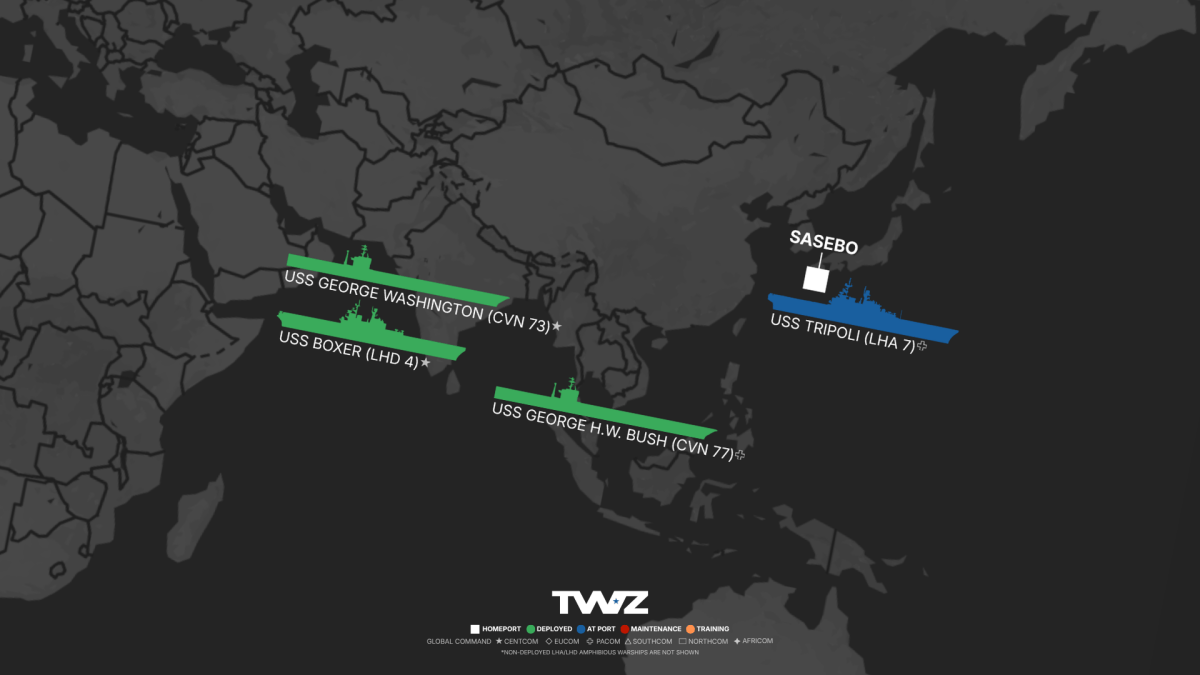
The carrier USS Abraham Lincoln, accompanied by three destroyers, has arrived in the region under U.S. Central Command to bolster regional security and deterrence. This deployment represents the most significant American military presence in the Middle East since the operations that preceded targeted strikes on Iranian nuclear facilities in mid-2025.
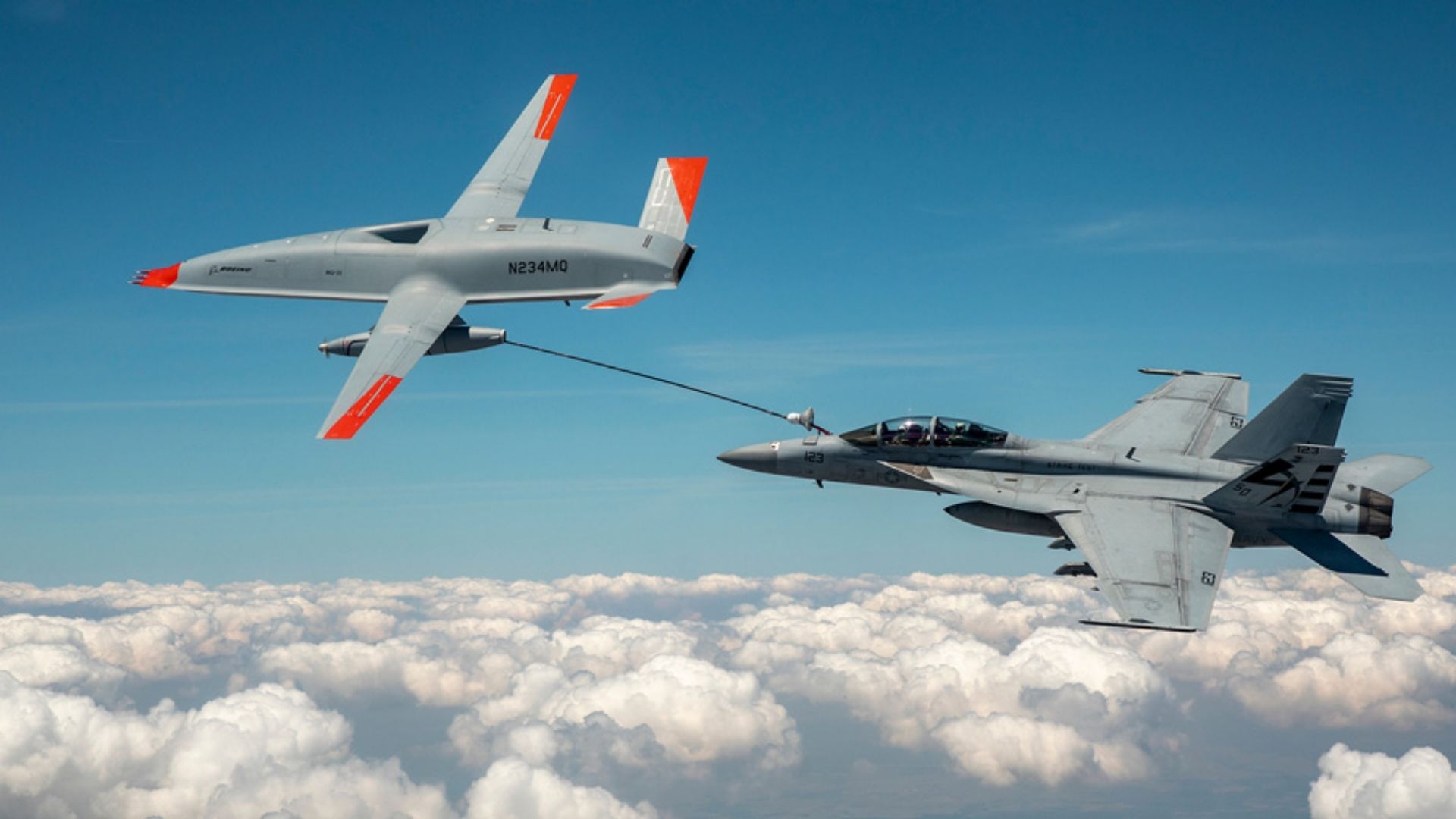
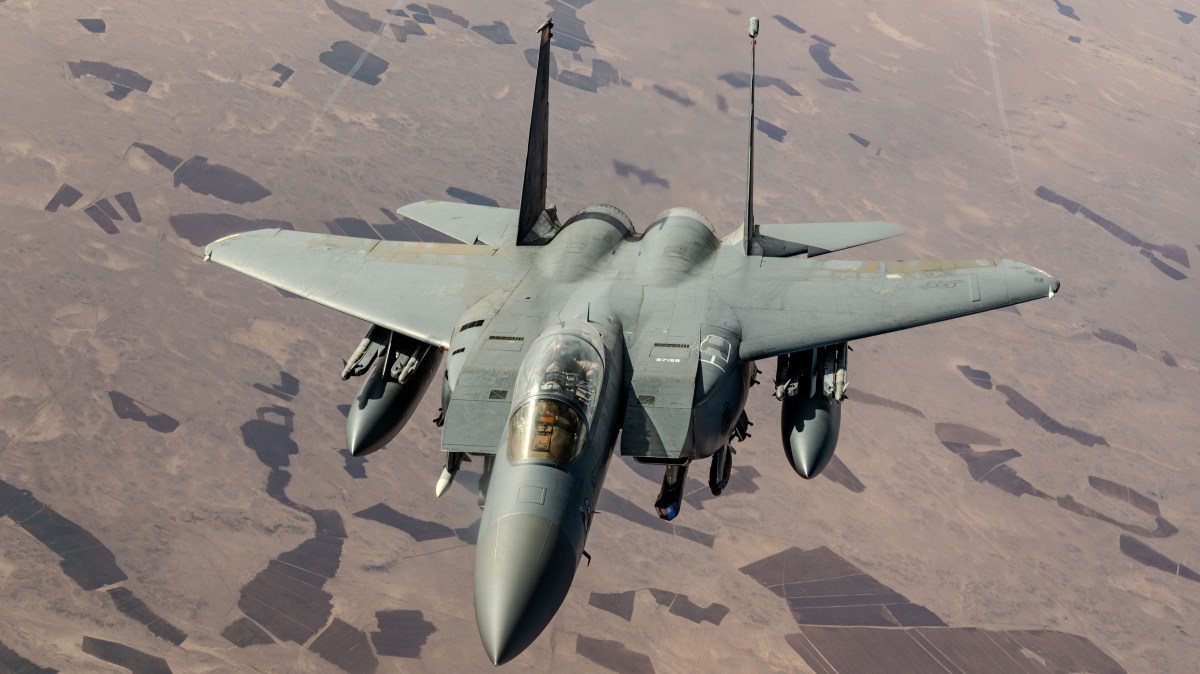
The buildup extends well beyond naval assets. F-35A stealth fighters are moving closer to the Middle East theater. Additional aerial refueling tankers have been positioned across European transit bases. Logistics and sustainment operations across the Central Command area of responsibility have been scaled up to support potential sustained operations.
Iran's Military Posture
Tehran is not standing idle. Chief of Staff of the Iranian Armed Forces Abdolrahim Mousavi warned that Iran was fully prepared to deliver what he described as vengeful blows against the U.S. military and its allies. More significantly, Iranian officials have stated that the country has shifted its military doctrine toward an offensive posture, a departure from the traditionally defensive orientation that has characterized Iranian military strategy since the Iran-Iraq War.
Iran's Foreign Minister Abbas Araghchi established a precondition for talks that the United States is unlikely to accept: he stated that Iran would consider American proposals for negotiations only if the military threat was removed first. This demand sets up a classic negotiating impasse where each side insists the other make the first concession.
What Is Actually Being Negotiated
The core issue remains Iran's nuclear program, which has advanced significantly in the years since the collapse of the 2015 Joint Comprehensive Plan of Action. Iran is believed to have enriched uranium to levels near weapons-grade and to have accumulated enough material for multiple nuclear devices. The June 2025 strikes damaged but did not destroy Iran's nuclear infrastructure, and the program has been reconstituting in the months since.
The United States is seeking a comprehensive agreement that would place verifiable limits on Iranian enrichment, address Tehran's ballistic missile development, and curtail Iranian support for proxy forces across the region. Iran, for its part, is demanding sanctions relief, security guarantees, and an end to the military pressure campaign as preconditions for meaningful engagement.
Regional Dynamics
The talks are being closely watched by regional powers. Israel, which conducted its own strikes alongside the United States in June 2025, is skeptical that diplomacy can achieve lasting constraints on Iran's nuclear program. Gulf Arab states, which face the most direct threat from Iranian missiles and proxy forces, are cautiously supportive of negotiations while hedging with their own security preparations.
The Oman Channel
Oman's role as the host for these talks is not new. The sultanate has served as a diplomatic back channel between Washington and Tehran for decades, including during the secret negotiations that led to the 2015 nuclear deal. Oman's neutrality, its diplomatic relationships with both sides, and its geographic proximity to Iran make it the natural venue for sensitive discussions.
Whether these talks produce a breakthrough or serve merely as diplomatic cover while both sides prepare for the next escalation remains to be seen. The military buildup suggests that the Pentagon is planning for both outcomes simultaneously, maintaining the capability to shift from deterrence to operations on short notice while giving diplomacy a window to succeed.
This article is based on reporting by The War Zone. Read the original article.
Originally published on twz.com