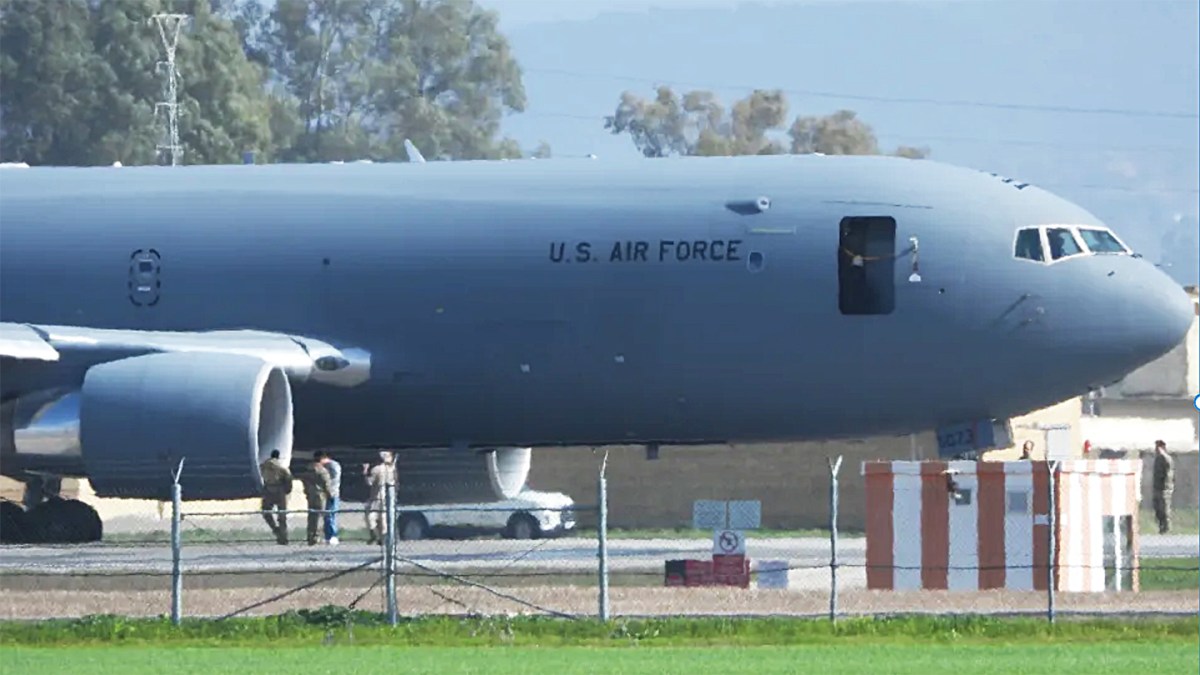
A Single Tanker Grounds an Entire Air Base
A KC-46A Pegasus aerial refueling tanker aborted its takeoff and became disabled on the runway at Moron Air Base in southern Spain on Saturday, closing one of the United States military's most important transit and logistics hubs for operations stretching from North America into Europe and the Middle East. The runway remained closed for four days, stranding multiple military aircraft and disrupting logistics at a moment when the U.S. is actively building up forces in the region.
The incident occurred when the KC-46, operating under the callsign GOLD71, experienced an engine failure during its takeoff roll from Moron. The crew initiated a rejected takeoff, engaging emergency braking procedures while the tanker was heavily loaded with fuel. The aircraft came to a stop on the runway but was unable to taxi clear, effectively blocking the only runway at the base.
The Cascade Effect
Moron Air Base is not just another military installation. It is a critical node in the logistics chain that connects the continental United States to Europe, Africa, and the Middle East. Military transport aircraft, tankers, and other assets routinely transit through Moron on their way to forward operating locations. When the runway closed, the cascade effect was immediate.
Several aircraft that were already at Moron when the mishap occurred found themselves unable to depart. The stranded fleet included another KC-46 Pegasus, a KC-135 Stratotanker, a C-17 Globemaster III strategic airlifter, and the entire 11th Wing contingent of Spanish Air Force Eurofighter Typhoons. Each of these aircraft had missions and destinations that were delayed or required rerouting through alternative bases.
Timing Could Not Be Worse
The KC-46 mishap at Moron came as the United States is flowing military resources to the Middle East amid growing tensions with Iran. Tanker aircraft are essential enablers for this kind of force projection, providing the aerial refueling that allows fighters, bombers, and transport aircraft to reach the Central Command theater without time-consuming ground stops. Losing access to a key tanker base, even temporarily, creates ripple effects throughout the deployment timeline.
Recovery Operations
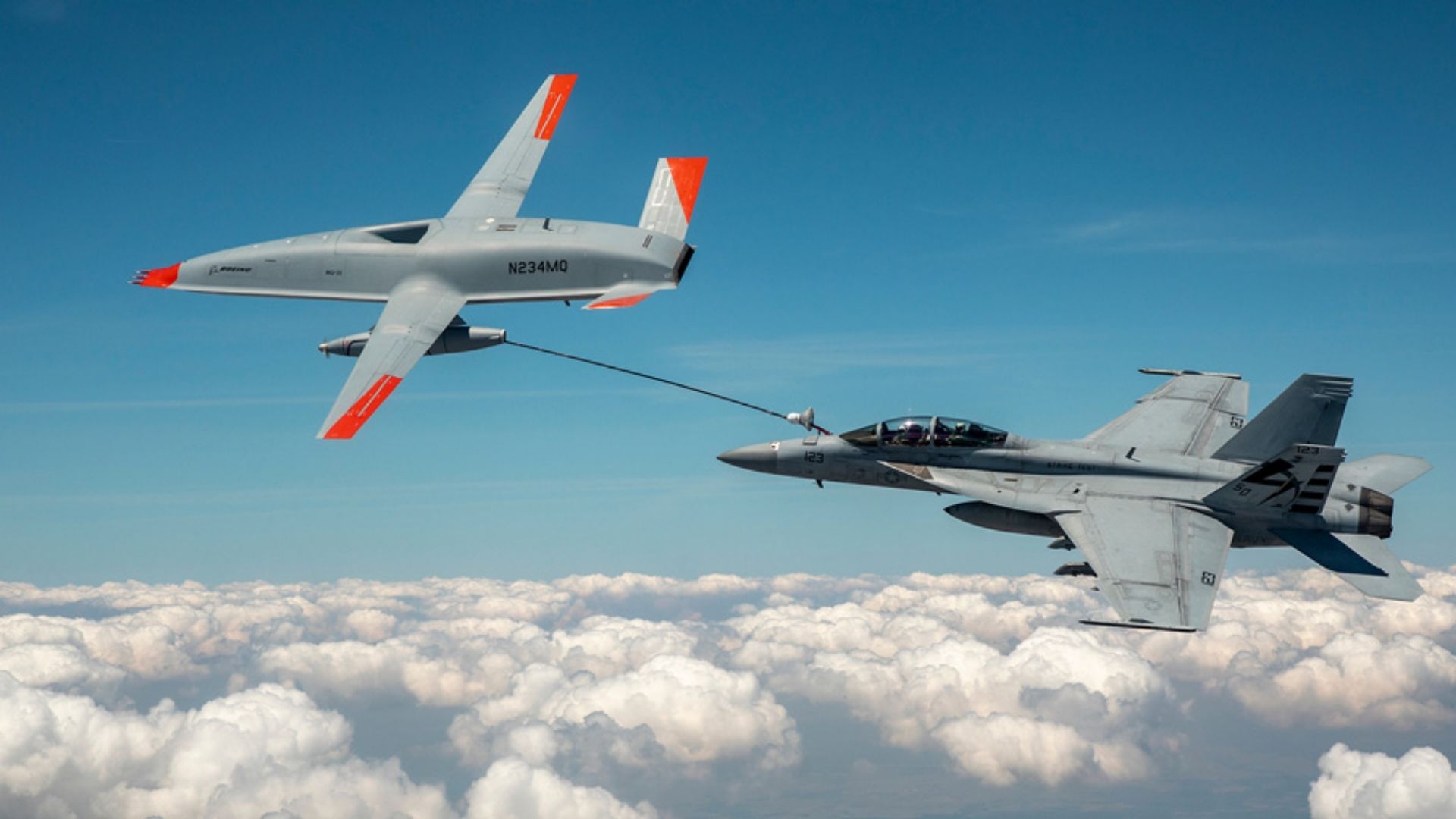
Moving a disabled KC-46 is not a simple tow job. The aircraft, a military derivative of the Boeing 767, has a maximum takeoff weight exceeding 415,000 pounds. When loaded with fuel for a refueling mission, the aircraft is among the heaviest platforms that operate from Moron's runway. Emergency braking at high speed and heavy weight can damage landing gear, tires, and the runway surface itself.
After four days of recovery operations, the KC-46 was eventually moved to a taxiway, and the runway reopened. However, a Federal Aviation Administration Notice to Airmen remained in effect through April 30, suggesting that the runway may require repairs or that operations are being conducted under restrictions.
The KC-46 Program's Ongoing Challenges
The Moron incident adds to a lengthy list of problems that have plagued Boeing's KC-46 program since the aircraft entered service. The tanker has suffered from defective remote vision systems, stiff refueling booms that have damaged receiver aircraft, cargo lock malfunctions, and most recently, cracking issues that halted all deliveries. While an aborted takeoff due to engine failure is a different category of problem, it contributes to the narrative of a platform that has yet to achieve the reliability expected of a frontline military asset.
Logistics Vulnerability Exposed
The four-day runway closure at Moron highlights a broader vulnerability in U.S. military logistics. The network of overseas bases that enables American power projection is built on a relatively small number of critical nodes. When one of those nodes goes offline, even temporarily, the system lacks the redundancy to absorb the disruption without consequences.
Moron is one of only a handful of bases in southern Europe capable of supporting the full range of U.S. military aircraft types. Alternative bases exist but are farther from the routes that matter, adding hours of flight time and thousands of pounds of fuel to every mission that must be rerouted. In a scenario where speed of deployment is critical, those added hours can have strategic consequences.
Lessons for Force Projection
The incident serves as a reminder that military logistics is only as strong as its weakest link. A single aircraft with a mechanical failure on the wrong runway at the wrong time can disrupt operations across an entire theater. As the U.S. military prepares for potential high-intensity operations where logistics will be contested by adversary long-range strike, the fragility demonstrated at Moron should focus attention on base resilience, redundancy, and rapid recovery capabilities. The next runway closure may not be caused by an engine failure but by an enemy attack, and the consequences will be far more severe.
This article is based on reporting by The War Zone. Read the original article.
Originally published on twz.com