A Warning From the FBI
An FBI alert warning of a potential Iranian drone attack on targets in California—specifically describing a scenario in which armed drones would be launched from a vessel positioned off the coast—drew significant attention when it became public. The warning was tied to concerns about Iranian retaliation for US and Israeli strikes on Iranian territory, and described a maritime launch scenario that, while assessed as not immediately credible at the time of the alert's disclosure, reflects a real and long-recognized vulnerability in the defense of the American homeland.
According to reporting from The War Zone, the specific threat described in the FBI alert has since been downgraded, but the underlying capability and its theoretical applications remain a genuine concern in US defense planning circles. Ship-launched drone attacks on coastal targets are not a hypothetical—they are a capability that several nation-states and non-state actors possess in various forms.
The Maritime Launch Concept
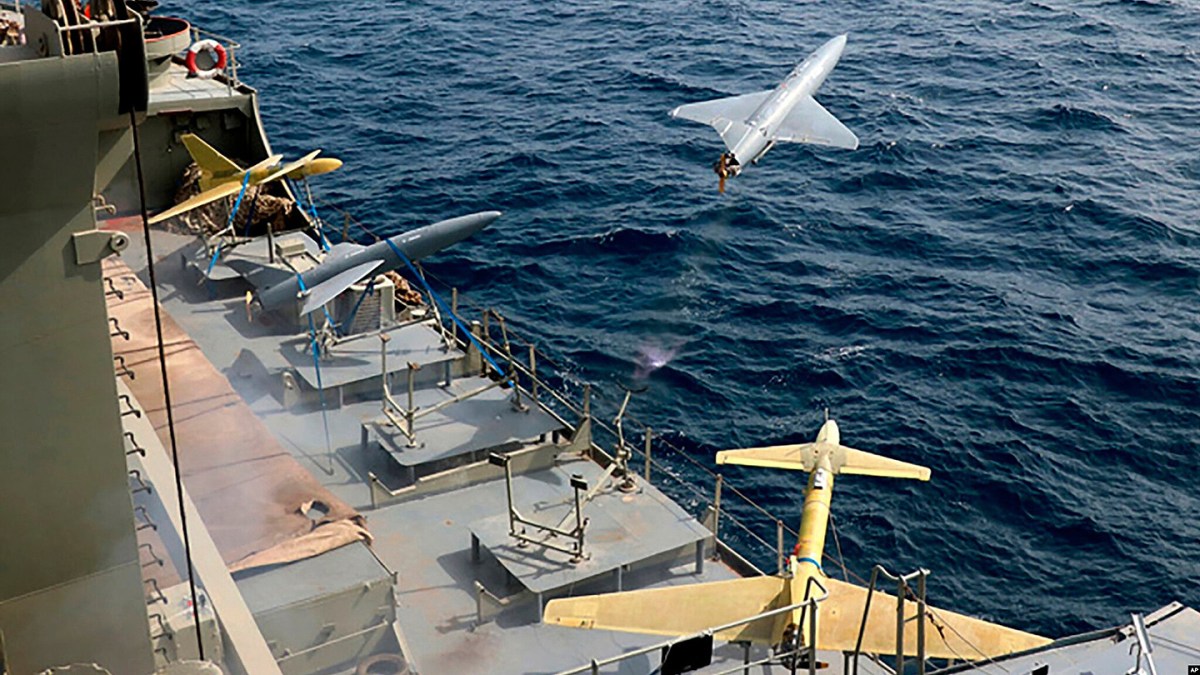
The concept is straightforward in its essentials: a vessel—commercial, fishing, or otherwise non-military in appearance—positions itself within range of a target and launches armed drones. The vessel provides power, pre-launch maintenance, and a platform for the drones; the drones then operate autonomously or under remote control to reach their targets. The vessel itself does not need to be a warship; any sufficiently large craft capable of carrying the drones and their ground support equipment could theoretically serve.
This approach offers several tactical advantages. It exploits the enormous volume of maritime traffic in US coastal waters, making it difficult to distinguish a malicious actor from the thousands of legitimate vessels operating in those areas at any given time. It extends the effective range of drone attacks far beyond what could be achieved by land-based launch teams on foreign territory. And it complicates attribution—a vessel may fly a flag of convenience or operate under cover that makes identifying the responsible party difficult in the immediate aftermath of an attack.
US Coastal Vulnerabilities
The United States has extensive maritime boundaries—more than 95,000 miles of coastline when bays, inlets, and the Great Lakes are included. Monitoring this entire perimeter against small, low-flying drones is a fundamentally different challenge than defending against ballistic missiles or large aircraft, which have longer detection lead times and more predictable trajectories.
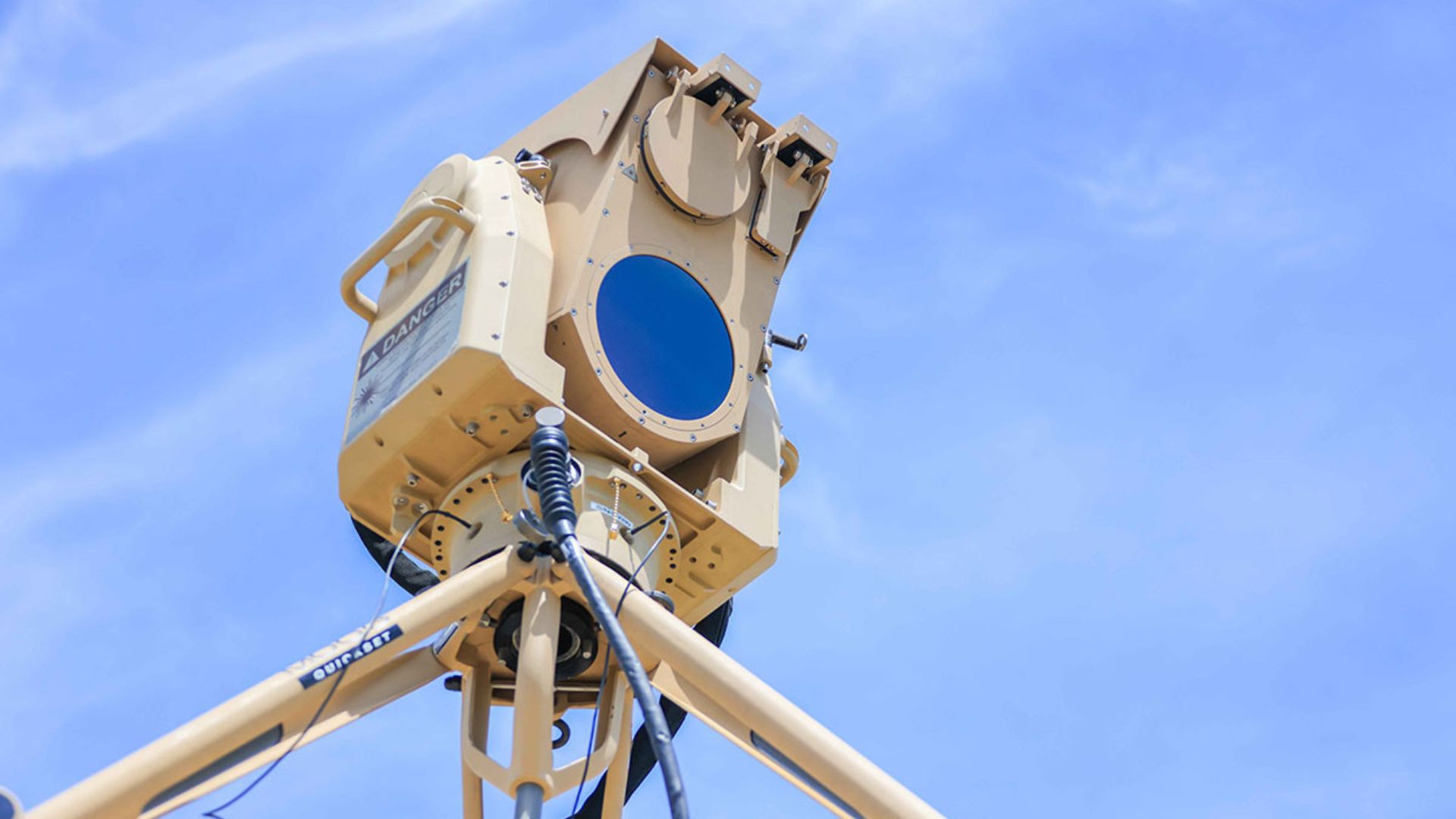
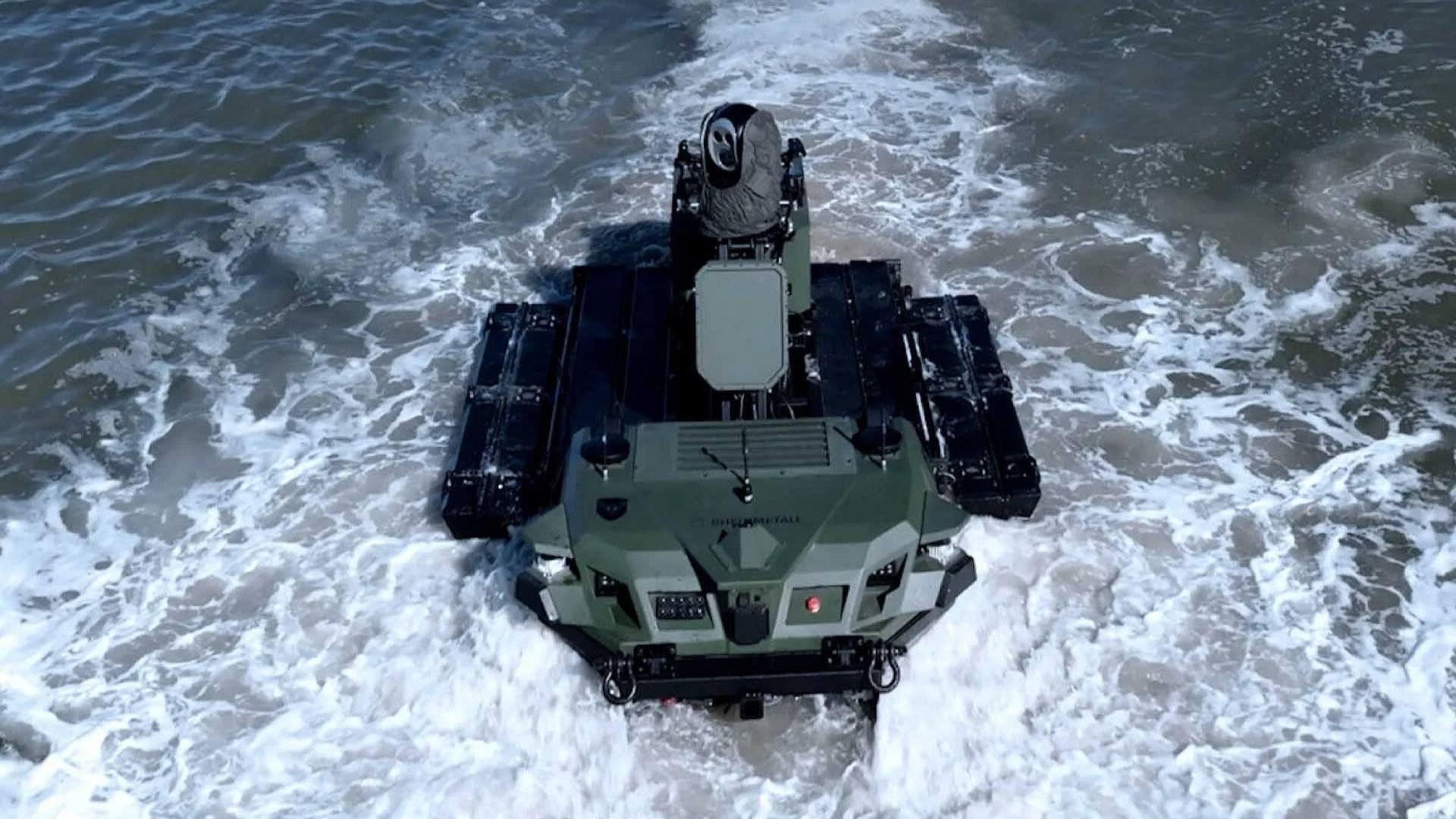
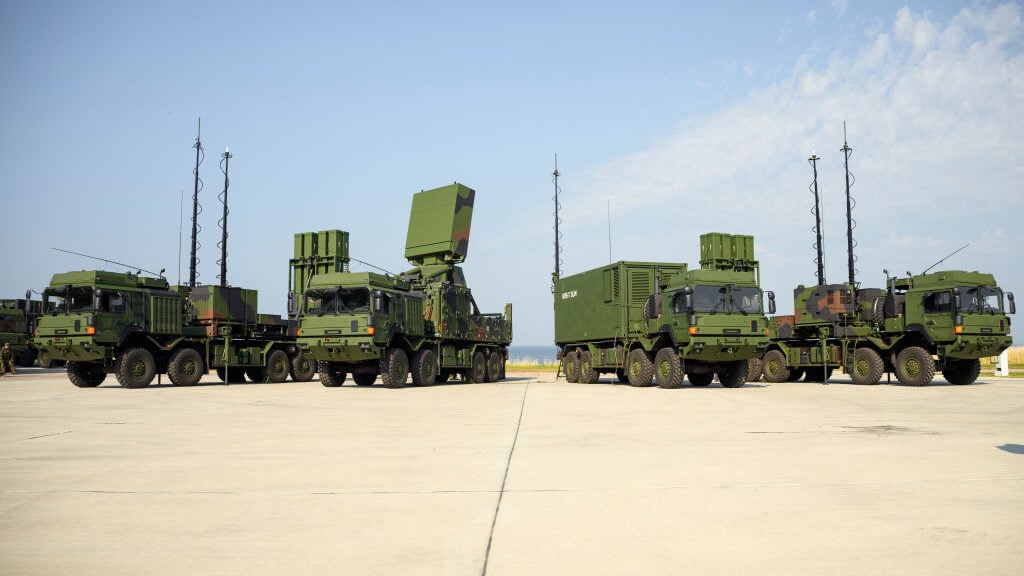
Counter-drone systems—including directed energy weapons, electronic warfare jamming, and interceptor drones—have been deployed at fixed military installations and some critical infrastructure sites. But coverage is not comprehensive, particularly for smaller ports, civilian infrastructure, and sparsely monitored stretches of coastline.
Iran's Drone Capabilities
Iran has invested heavily in drone development over the past decade and is one of the world's more capable drone-producing nations by some measures. Iranian-designed drones have been used extensively in the Yemen conflict, in strikes on Saudi Arabia, in operations in Iraq and Syria, and—most prominently globally—supplied to Russia for use in Ukraine, where they have struck targets hundreds of kilometers from the front lines.
Iran's Shahed series of loitering munitions, in particular, has demonstrated the ability to conduct long-range precision strikes against high-value targets. Variants of this drone could theoretically be loaded onto a commercial vessel and launched from international waters off the US coast, giving Iran a standoff attack capability that does not require aircraft or missiles.
The Counter-Drone Challenge at Sea
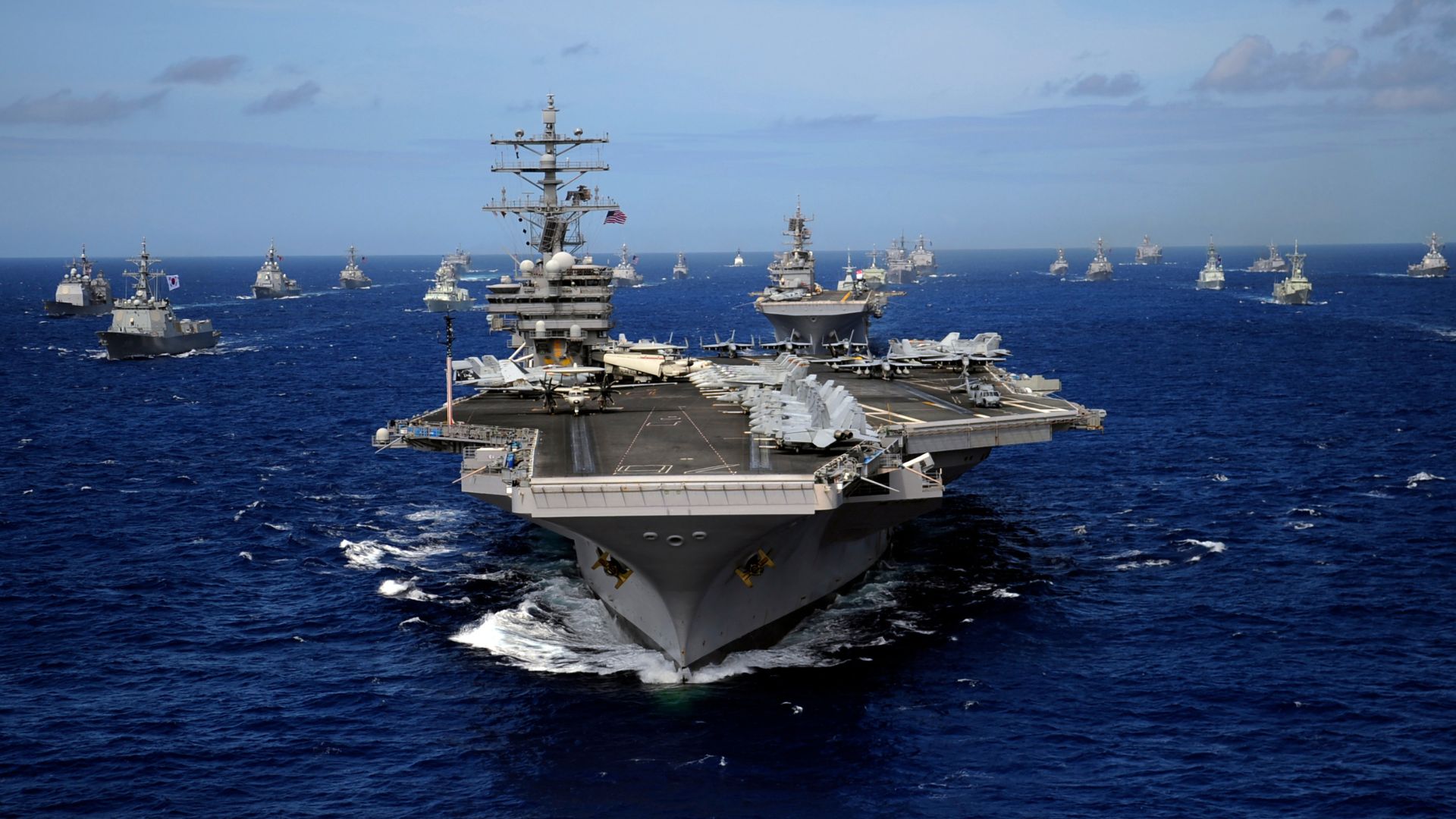
Defending against maritime-launched drones requires a layered approach that integrates maritime domain awareness—knowing what vessels are in US coastal waters and what they are doing—with counter-drone capabilities that can engage threats at sea before they reach the coast. This is significantly more complex than static installation defense.
The US Coast Guard and Navy operate maritime patrol assets, but coverage has gaps. Proposals for persistent unmanned maritime surveillance to monitor coastal approaches have been under development, but deployment at scale remains incomplete. The FBI warning may accelerate planning and resource allocation for these capabilities.
A Threat Vector for the Future
The maritime drone threat is likely to grow in relevance as drone technology improves, costs fall, and the global proliferation of capable systems accelerates. The combination of commercial vessel availability, drone accessibility, and coastal target density makes this a threat vector that does not require state-level resources to exploit.
For US defense planners, the FBI warning—even if the specific Iranian threat was assessed as non-credible—is a useful reminder that homeland defense requirements are expanding beyond the traditional domains of air, ground, and cyber to include the maritime margins of the continental United States.
This article is based on reporting by twz.com. Read the original article.
Originally published on twz.com