The UK’s SPEAR 3 integration effort has cleared an important early step
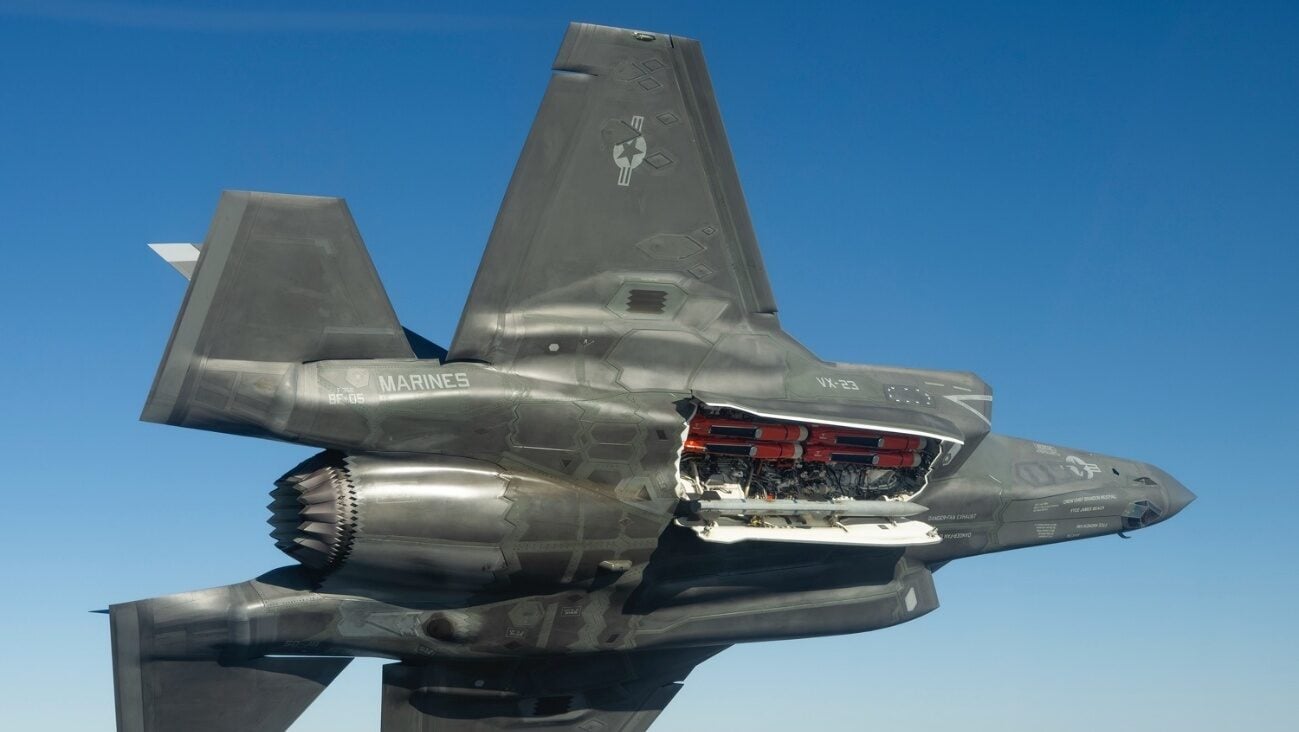
An F-35B has conducted its first flight test with the British-made SPEAR 3 miniature cruise missile, marking a long-awaited integration milestone for a weapon intended to give UK F-35s a new stand-off strike capability. MBDA said the flight took place earlier this year from Naval Air Station Patuxent River in Maryland and involved four SPEAR 3 missiles carried on the Lockheed Martin aircraft.
The flight was carried out by a Royal Navy F-35B test pilot and represents an early but meaningful step in a program that the source text says is running four years later than originally planned because of technical troubles. That delay makes the milestone more than a routine test event. It is also a sign that a capability once slowed by integration difficulties is moving again.
What the test actually achieved
The milestone here is carriage and flight testing, not full operational integration. MBDA said the data gathered during the event will now be examined and that testing will continue in preparation for the next critical milestones: mission-systems integration and jettison trials.
That sequencing matters. Weapons integration on a stealth fighter is rarely a single-step process. Carrying the missile in flight, gathering data and then progressing toward systems integration and separation testing are all distinct stages. This first flight therefore confirms forward movement, but it does not mean the weapon is ready for service.
Why SPEAR 3 matters for the UK
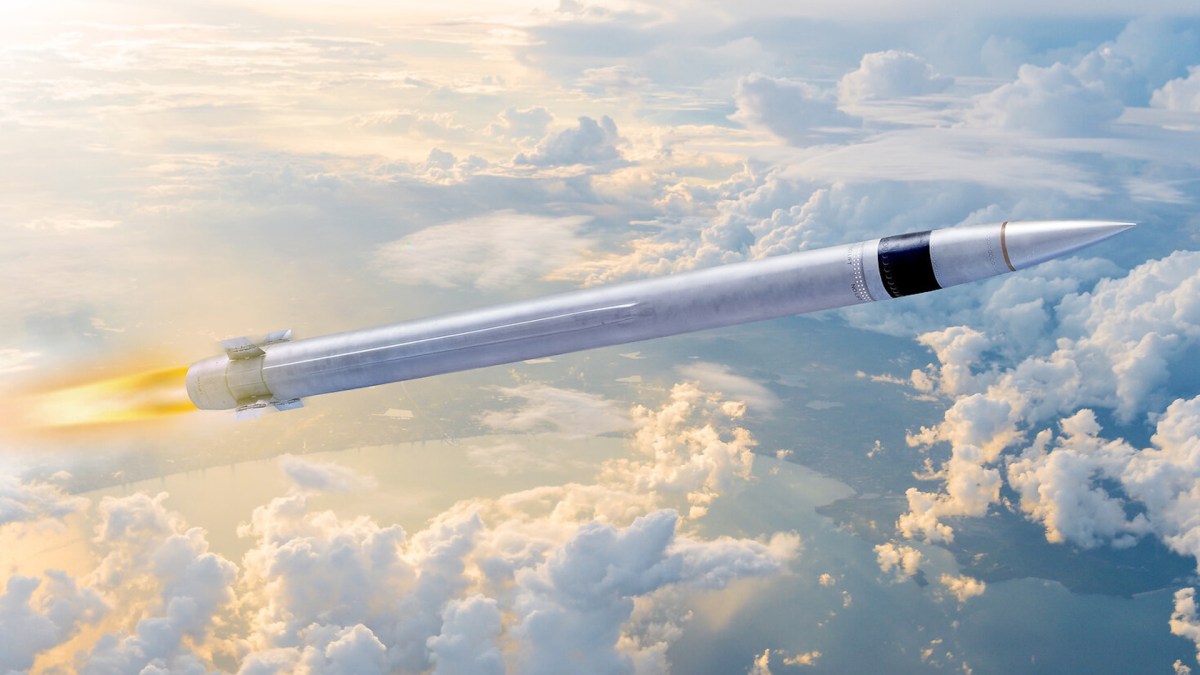
SPEAR 3 is designed to provide stand-off strike reach from the F-35B. According to the source material, once fully integrated the aircraft will be able to carry up to eight missiles while maintaining stealth and survivability. The weapon is capable of striking targets at a range of 100 kilometers, according to the UK Ministry of Defence, and is intended to defeat a variety of threats including air defenses, ships, tanks and fast-moving vehicles.
That target set helps explain the weapon’s appeal. For the UK, integrating SPEAR 3 onto the F-35B is not only about adding another munition to inventory. It is about expanding the aircraft’s precision-strike options in a way that complements the platform’s low-observable design and multi-role mission set.
A delayed program still moving toward fielding
The source text makes clear that the first flight comes years later than first planned. In defense programs, delays in weapons integration are common, especially when new missiles have to be fitted into advanced aircraft with demanding software, mission-system and certification requirements. But delays still matter because they affect force planning and the timing of new capabilities reaching frontline units.
There is at least a provisional horizon now. In April, UK minister for defense readiness and industry Luke Pollard said fielding of SPEAR on the F-35 is targeted for fiscal year 2028-2029. That does not guarantee the schedule will hold, but it gives the current test progress a clearer strategic frame.
The broader integration picture
The F-35 Joint Program Office said the milestone strengthens the UK’s F-35B precision-strike arsenal and reinforces the enterprise-wide push to advance capabilities for partner nations. That phrasing reflects the dual character of the program. SPEAR 3 is a British weapon for British aircraft, but its integration is happening within the wider technical and programmatic structure of the multinational F-35 enterprise.
The source also notes that the missile was test-fired from a Eurofighter Typhoon in 2024 at the Vidsel range in Sweden as part of a collaboration between BAE Systems and the UK Ministry of Defence. Taken together, those milestones indicate that SPEAR 3 is progressing across multiple air platforms, though the F-35B path carries special importance because of the aircraft’s stealth role and Royal Navy relevance.
Why this is more than a box-checking test
First-flight milestones can sound procedural, but they often mark the moment when a paper capability begins to look operationally plausible. In this case, the F-35B’s SPEAR 3 test is significant because it reconnects a delayed integration effort with an actual sequence toward fielding.
There is still a lot left to prove. The next stages must show that the missile works cleanly with the aircraft’s systems and can be released safely under test conditions. But after years of delay, the combination of a completed first flight, a defined next-step test path and an official fielding target gives the program a firmer shape than it had before.
This article is based on reporting by Breaking Defense. Read the original article.
Originally published on breakingdefense.com