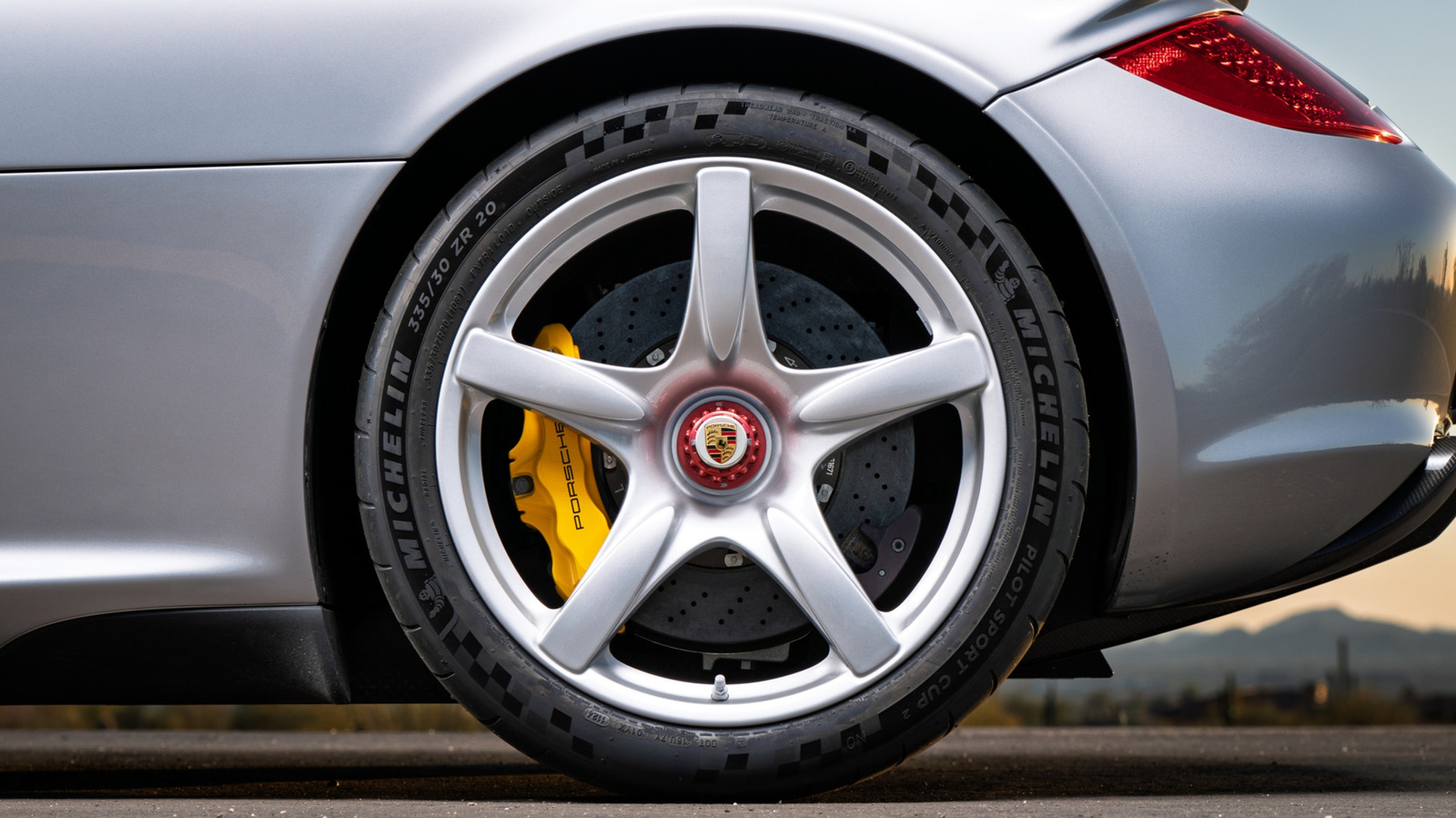
ロープロファイルタイヤが実際に変えるもの
ロープロファイルタイヤは、スポーティーなハンドリングや大径ホイールと結び付けられることが多い一方で、荒れた路面では実用上のトレードオフも伴う。ここで参照しているJalopnikの記事では、アスペクト比が50以下のタイヤが一般にロープロファイルと見なされると説明している。225/40 R18のようなサイズでは、「40」はサイドウォールの高さがタイヤ幅の40%であることを意味する。見た目としては、走行性能を重視した車でよく見られる薄いサイドウォールになる。
中心となる疑問は、ロープロファイルタイヤはより簡単に空気が抜けるのか、という点だ。答えは単純な「はい」ではない。記事によると、サイドウォールが短いため、ロープロファイルタイヤは鋭い段差やポットホールによる損傷を受けやすい。強い衝撃を受けると、急激な空気漏れやビード外れを起こす可能性がある。ホイール損傷の確率も高まる。
ただし、それはロープロファイルタイヤがあらゆる状況で自動的により頻繁にパンクするという意味ではない。路面状況の影響は、タイヤのプロファイルそのものより大きい。滑らかな舗装で使うロープロファイルタイヤは通常どおり機能するかもしれないが、穴だらけで荒れた道路では、同じタイヤが衝撃損傷のリスクにさらされやすくなる。
サイドウォールの高さが重要な理由
サイドウォールは、ホイールリムとトレッドの間にあるゴム部分だ。高さがあるほど、ポットホール、荒れた舗装、鋭い路面の縁からの衝撃を吸収する材料が増える。サイドウォールが低いほど、力がリムやタイヤ構造に到達する前に変形できる余地が少なくなる。
これが、ロープロファイルタイヤが特定の損傷に対して脆弱になりやすい根本的な理由だ。60シリーズのサイドウォールを持つタイヤは、40シリーズのタイヤよりもポットホール衝撃を和らげやすい。サイドウォールが短いほど、衝撃を逃がす距離も短くなる。速度、路面形状、ホイールサイズ、タイヤの状態によっては、バースト、ビード外れ、ホイール損傷につながることがある。
また記事は、ロープロファイルタイヤが単純に劣っているわけではないとも指摘している。短いサイドウォールはたわみを抑え、特にコーナーでの路面感覚、俊敏性、安定性を向上させることがある。接地面が広がることでグリップが向上し、加速やブレーキングでその効果を感じる場合もある。
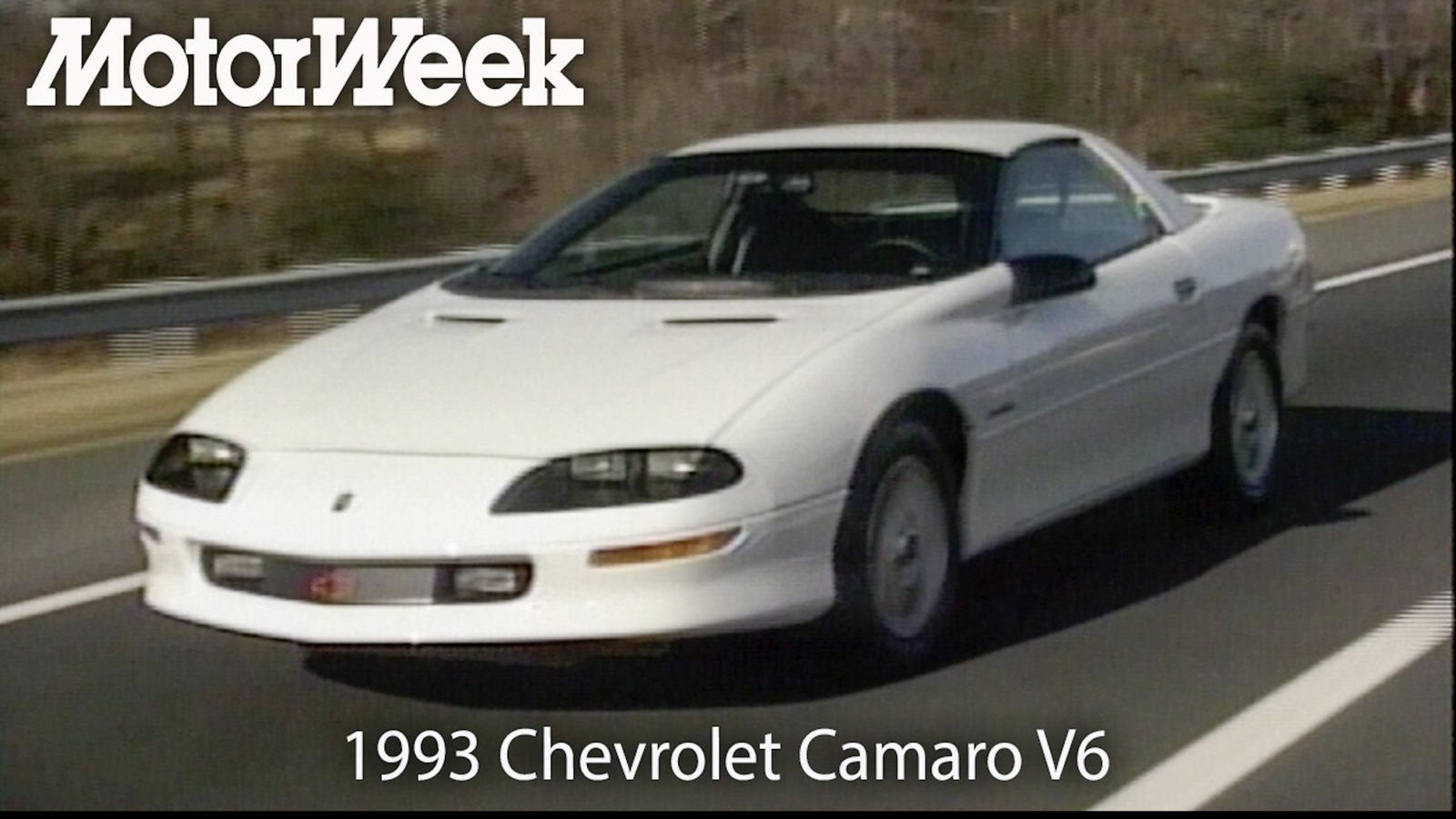
性能面のトレードオフ
ロープロファイルタイヤが存在するのは、実際の性能面とデザイン面の課題を解決するからだ。ハンドル操作をよりダイレクトに感じさせ、車の応答をより俊敏にし、より大きなホイールを装着できるようにする。大径ホイールはより大きなブレーキを収める余地も生み、性能重視の車両では望ましい場合がある。
その代償は、路面が完璧でない場所での快適性と耐久性だ。記事によると、ロープロファイルタイヤの車は、路面衝撃を吸収するサイドウォールが少ないため、一般に乗り心地が硬くなる。また、騒音も大きくなりがちだ。価格とトレッド寿命も欠点として挙げられており、ロープロファイルタイヤは通常安価ではない。
日常的に運転する人にとって、最適な選択は路面状況と優先事項次第だ。コーナリングの応答性や見た目を重視するドライバーは、硬めの乗り心地やポットホールへの弱さを受け入れるかもしれない。損傷した路面を頻繁に走るなら、衝撃保護に優れた高めのサイドウォールのほうが適している。
ドライバーが受け取るべき要点
実用的な結論は、ロープロファイルタイヤが常にパンクしたり空気が抜けたりする運命にあるわけではないが、路面衝撃に対する余裕は少ないということだ。特に、ポットホール、鋭い段差、不均一な舗装が多い場所では、このリスクが重要になる。そのような条件では、短いサイドウォールはタイヤとホイールをあまり保護できない。
ロープロファイルタイヤを検討するなら、見た目だけで判断すべきではない。ホイールサイズ、タイヤのアスペクト比、路面品質、乗り心地、交換費用、ホイール修理のリスクも判断材料になる。性能面の利点は確かだが、欠点も同様に確かだ。
この問題を最も簡潔に表すなら、ロープロファイルタイヤは万人向けのアップグレードではなく、精密な選択だということだ。車をよりシャープでアグレッシブに見せることはできるが、路面と、硬さやコストに対するドライバーの許容度には、より多くを求める。
この記事はJalopnikの報道に基づいています。元記事を読む。
Originally published on jalopnik.com