A critical materials bottleneck is easing for Ford’s truck business
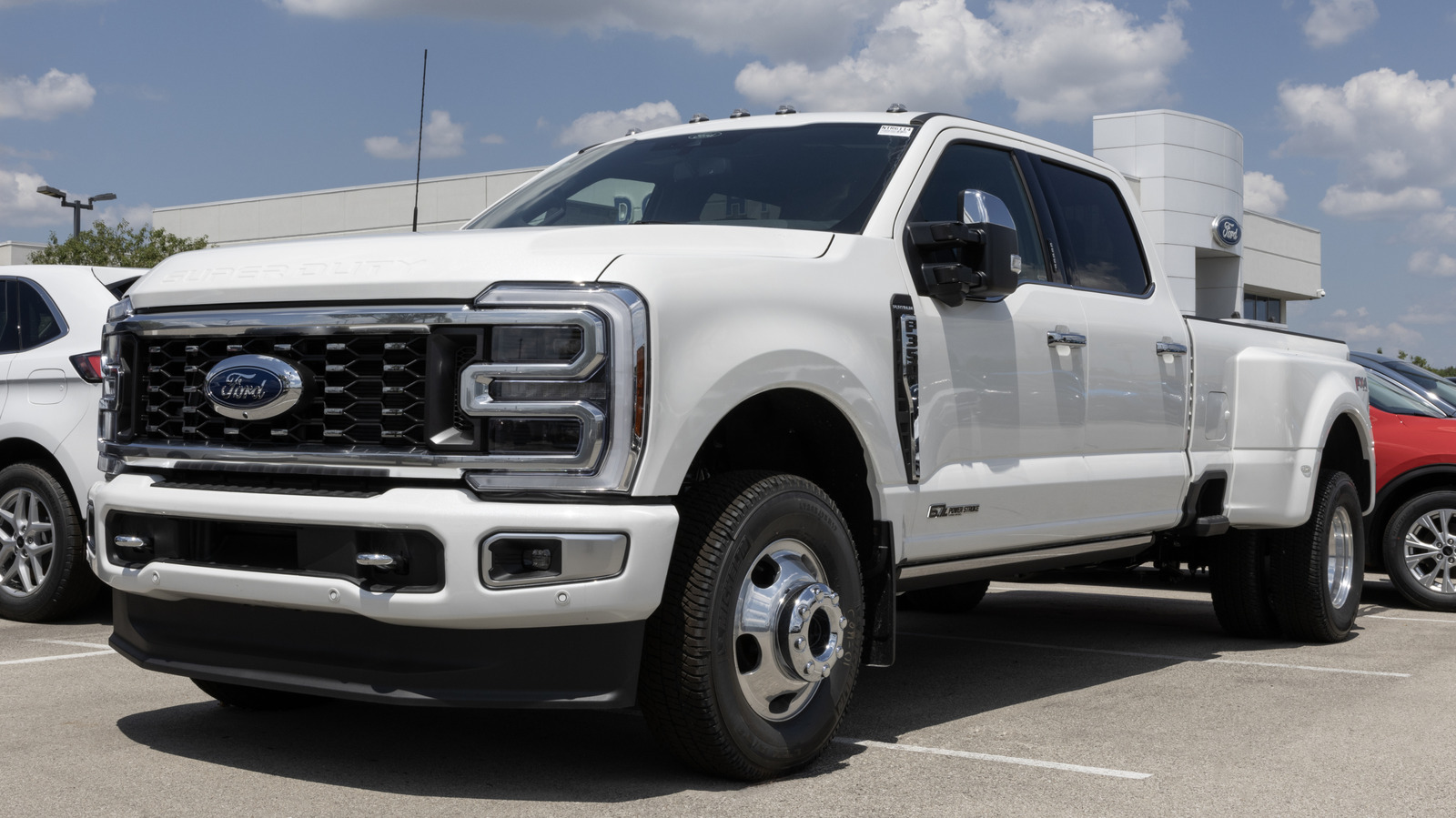
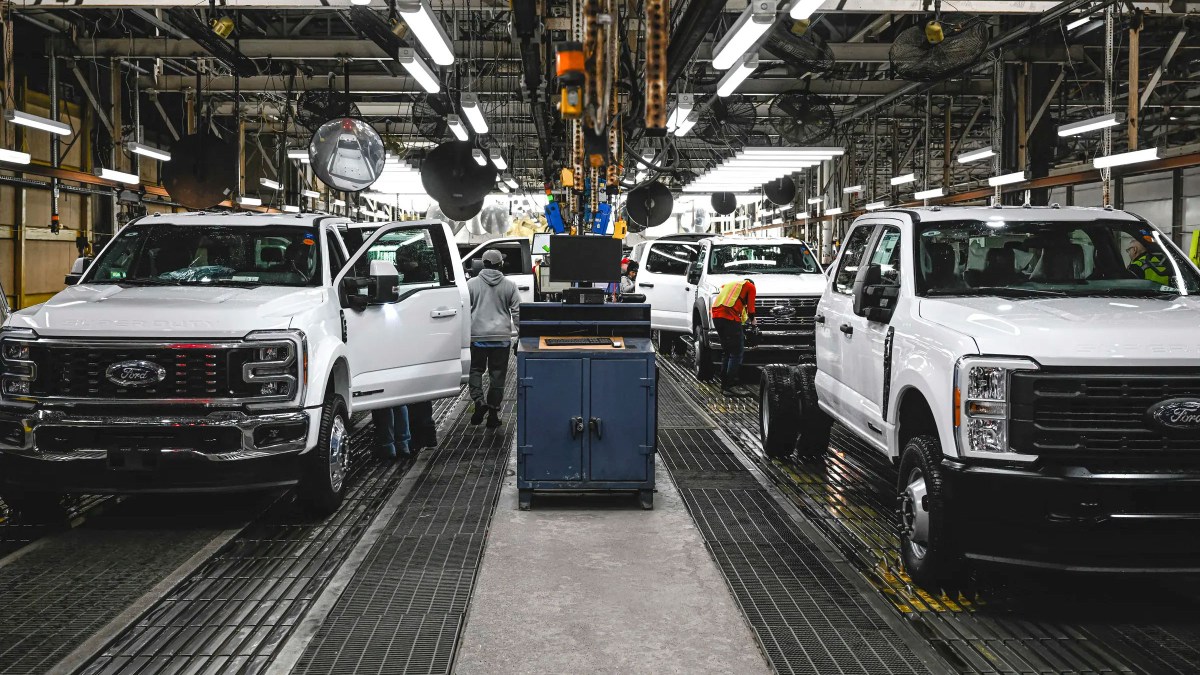
Production has restarted at the Novelis aluminum plant in upstate New York that supplies material used in Ford’s F-150 and Super Duty trucks, ending a disruption that lasted roughly nine months after multiple fires, according to The Drive’s daily industry roundup. The restart matters because Ford’s full-size pickup line is unusually exposed to aluminum supply conditions, and the shortage forced the company and other automakers to rely on imports at a higher cost.
The interruption came at a bad moment for manufacturers. The Drive reported that the material shortfall not only constrained supply of Ford’s high-volume trucks but also increased costs because replacement aluminum had to be imported amid new tariffs and conflict in the Middle East. That combination turned a plant outage into a broader industrial stress point, linking manufacturing resilience to global trade and geopolitical pressure.
Why one plant mattered so much
The central importance of the Novelis facility reflects the degree to which modern auto production depends on tightly coordinated supply chains. Ford’s use of aluminum in the bodies of the F-150 and Super Duty has long been one of the more visible materials decisions in the US auto industry. It helped distinguish the trucks, but it also increased dependence on a stable pipeline of rolled aluminum products. When a key source goes down, the disruption moves quickly from procurement to production planning.
That is why the restart is more than a routine plant update. It signals relief for a chain that had been forced into contingency mode. Automakers can import material, but doing so under adverse tariff conditions and during wider regional instability adds expense and uncertainty. In a segment as competitive and margin-sensitive as full-size pickups, even a temporary cost increase can carry real consequences.
The Drive’s summary also points to an important operational reality: even when vehicle production does not stop outright, material shortages can still distort inventory, scheduling, and profitability. A supply chain under pressure may keep assembly moving, but at the price of less flexibility and more expensive sourcing. That can ripple through dealer availability and company earnings alike.
The auto industry remains vulnerable to upstream shocks
The Novelis restart is a useful reminder that vehicle manufacturing remains highly sensitive to upstream industrial failures. The pandemic years made semiconductor shortages the most visible example, but metals supply can be just as consequential when it is concentrated in a few critical facilities. Fires, outages, and transport disruptions are not isolated events once they affect a material tied to a flagship product line.
For Ford, the stakes are especially high because the F-150 and Super Duty are not niche products. They are central to the company’s business. Any prolonged input constraint tied to those vehicles becomes a strategic problem. The fact that imports were needed during the outage shows both the resilience and fragility of the system: resilient because automakers found a workaround, fragile because the workaround was more expensive and exposed to outside pressures.
This is also why industrial policy and supply-chain diversification continue to matter in transportation. Companies may not be able to eliminate every bottleneck, but they can reduce how much damage a single failure causes. The more concentrated a critical material stream is, the more leverage one accident or outage can exert over an entire production network.
What the restart changes now
The immediate effect of the Novelis restart is to ease pressure on one of the most important materials channels feeding Ford’s pickup business. That should help reduce the need for costlier imported aluminum and improve confidence in supply planning. It does not erase the losses and disruption already absorbed during the outage, but it does mark a return to a more stable footing.
Longer term, the episode will likely reinforce questions about redundancy and industrial resilience in North American auto manufacturing. A single plant’s interruption was enough to constrain supply for some of the country’s highest-profile trucks. That is a strong argument for treating upstream materials capacity as part of transportation strategy, not just procurement detail.
For now, Ford has cleared a meaningful bottleneck. After months of strain, one of the supply lines behind America’s biggest trucks is moving again.
This article is based on reporting by The Drive. Read the original article.
Originally published on thedrive.com