A camera-based route to anemia screening
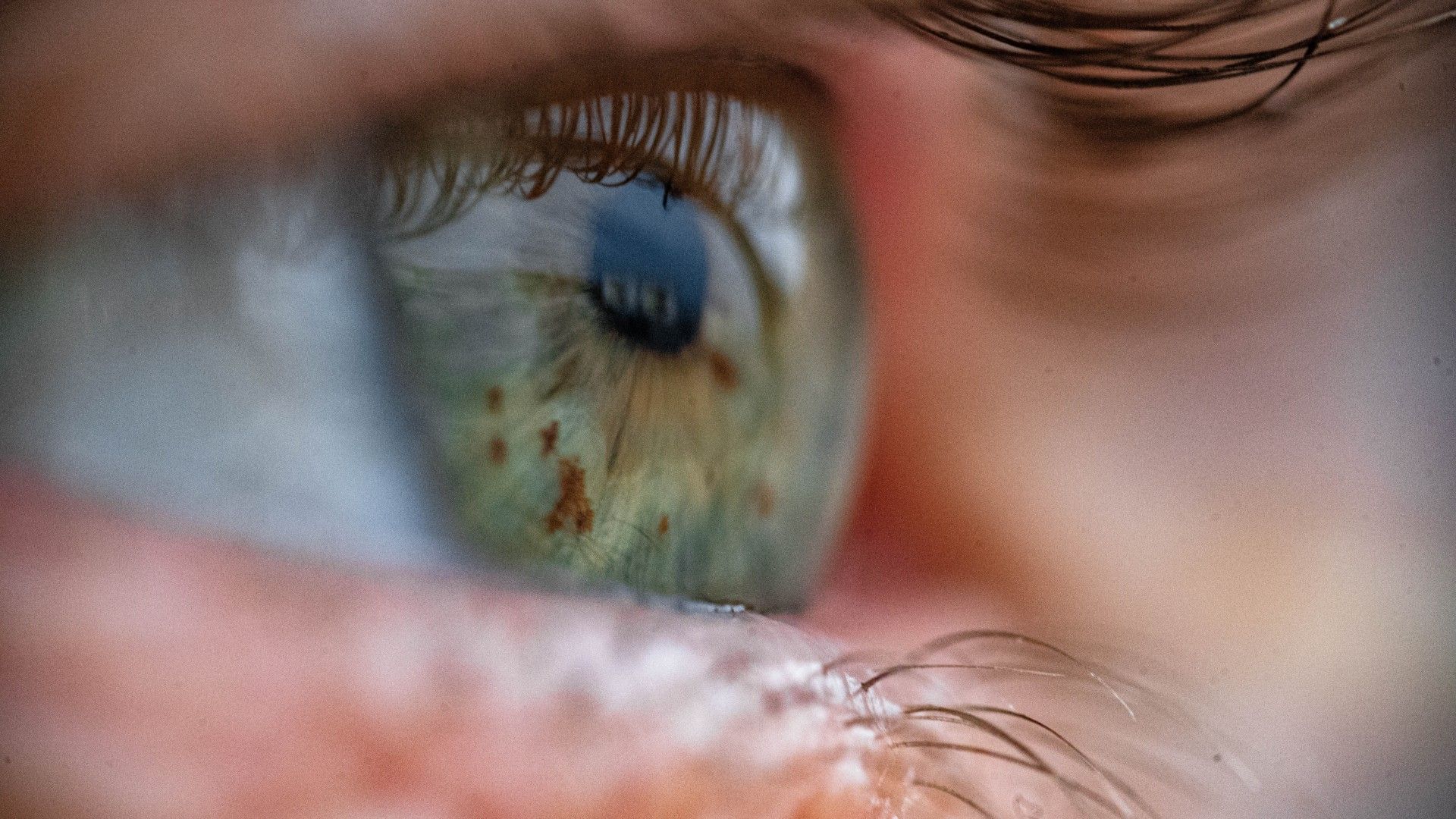
Researchers have developed a needle-free method for flagging anemia by analyzing short videos of a person’s eye, offering a glimpse of how routine screening could move beyond blood draws in some settings. The work, reported in npj Digital Medicine, does not replace laboratory testing, but it suggests that a camera-based screening step could identify people who need a fuller workup.
Anemia is typically diagnosed through blood tests that measure hemoglobin or red blood cell levels. Those tests are effective, but they require trained staff, equipment, and repeat access when patients need regular monitoring. That makes screening harder in low-resource environments and more burdensome for patients undergoing repeated treatment or follow-up.
What the study found
The new system uses videos of the eye to estimate a person’s red blood cell count. In a trial involving 224 participants, the technology correctly identified anemia more than 80% of the time, according to the report. The researchers and outside experts quoted in the source material were careful about what that means: this is not a replacement for standard blood work, and it is not ready for routine clinical deployment.
Instead, the likely near-term use is as a screening layer. A fast, noninvasive test could help determine who needs confirmatory lab testing, especially in places where laboratory access is limited or intermittent. That could make the tool useful in outreach care, follow-up appointments, or programs where clinicians need frequent trend checks rather than definitive diagnoses at every visit.

Why the eye can reveal blood changes
The approach reflects a broader trend in digital medicine: using accessible imaging signals as proxies for underlying physiology. The eye is an especially attractive target because its tissues can be observed directly and repeatedly without invasive procedures. In this case, the researchers are using video-derived information to estimate blood-related status that would otherwise require a sample.
Independent experts quoted by Live Science pointed to several potential use cases if the method proves reliable and affordable. Those include outpatient screening, home monitoring, pediatric care, and repeated checks for people receiving dialysis or cancer treatment. In those settings, reducing the number of needle sticks could improve compliance and make monitoring less disruptive.
Promise and constraints
The enthusiasm around the system is tempered by important limits. Experts cited in the source report said the technology is not ready for prime time and will require several more steps before it becomes clinically available. That caution is warranted. Sensitivity and specificity both matter in screening, and performance in a 224-person trial does not settle how the method will generalize across populations, camera hardware, lighting conditions, or coexisting eye disease.
Clinical workflow also matters. A screening tool becomes valuable only if it is paired with a practical pathway for follow-up testing and care. In a well-resourced hospital, a false positive may be a manageable inconvenience. In a rural clinic or remote program, it can mean travel, cost, and delayed decisions. Conversely, false negatives could create misplaced reassurance. Any rollout would need validation against those tradeoffs.

Where this could matter most
The strongest case for the technology is in resource-limited environments, where access to laboratory testing can be scarce. There, even a moderate-accuracy, low-friction screening method could expand coverage and prompt earlier intervention. It may also prove useful for longitudinal monitoring, where the priority is not a final diagnosis from a single measurement but an easy way to detect change over time.
The broader significance is that noninvasive screening is moving from concept to practical prototype. This system is still early, but it reflects a direction of travel in medicine: cheaper sensors, lighter workflows, and more frequent checks before disease becomes severe enough to force a full clinical response.
This article is based on reporting by Live Science. Read the original article.
Originally published on livescience.com