A Weapon the World Wants
On the battlefields of Ukraine, small, cheap interceptor drones have become one of the most effective and cost-efficient tools for downing Russian Shahed loitering munitions. Where a single Patriot missile costs upward of $3 million, an interceptor drone can destroy a $20,000-$50,000 Shahed for a fraction of the cost — a math that has made the technology strategically attractive not just for Ukraine, but for nations across the Middle East watching Iranian drone proliferation with growing concern.
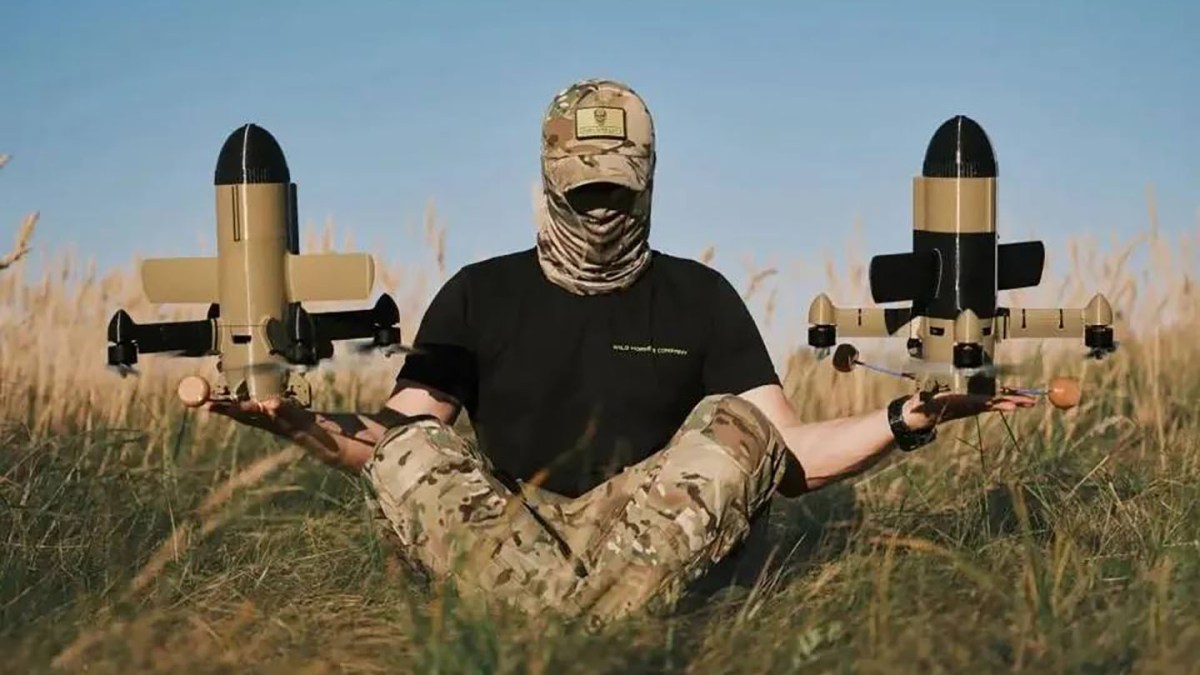
The makers of the Ukrainian Sting interceptor, manufactured by Wild Hornets, have confirmed to The War Zone that despite serious Middle Eastern interest in their product, they are not yet allowed to sell outside the country. Other Ukrainian drone manufacturers — including SkyFall — are reportedly in similar conversations. A fundamental obstacle stands in the way: the Ukrainian government has prohibited exports of interceptor drones.
Why Ukraine Developed the Technology
Russia's campaign of Shahed drone attacks against Ukrainian infrastructure began in earnest in late 2022 and has intensified since. The Shahed-136, a delta-wing loitering munition produced in Iran and supplied to Russia in large numbers, has caused widespread damage to Ukrainian power generation infrastructure and residential areas. Ukraine's air defense resources were never designed or procured at the scale needed to cost-effectively intercept large drone salvos.
The interceptor drone concept emerged as a grassroots military innovation: inexpensive platforms guided visually or autonomously to collide with or destroy incoming Shahed drones before they reach their targets. Even at a 5-to-1 intercept ratio, the cost equation favors Ukraine massively compared to using surface-to-air missiles.
Middle East Demand
The outbreak of expanded conflict involving Iran has dramatically increased regional interest in proven Shahed counter-drone capabilities. Gulf states that have faced Houthi drone and missile attacks, and now observe Israeli strikes targeting Iranian military infrastructure, have a direct strategic interest in systems combat-proven against the same Iranian-origin platforms they face.
Ukrainian manufacturers report that the specificity of Middle Eastern interest is notable — buyers are not inquiring about generic drone platforms, but specifically about interceptor systems with demonstrated effectiveness against Shahed-class targets. This represents a significant potential export market for Ukrainian defense industry at a time when the sector is scaling rapidly.
The Export Prohibition
Ukrainian government policy currently prohibits exports of interceptor drones, a restriction reflecting several competing considerations. Ukraine's military continues to consume interceptors as fast as they can be produced; exports would divert production capacity from the war effort. There are also concerns about technology transfer and the possibility that exported systems could eventually be reverse-engineered.
Political considerations also play a role. Ukraine is dependent on Western military assistance and must navigate complex diplomatic relationships with countries that have their own equities in Middle Eastern security affairs. Arming Gulf states with combat-proven drone technology without consulting key allies could create friction at a diplomatically sensitive time.
The Drone War Economy
The export demand for Ukrainian interceptor drones is a microcosm of the broader transformation in defense technology economics that the Ukraine war has accelerated. Cheap, mass-produced drone systems have demonstrated military utility that has disrupted decades of conventional assumptions about air defense. The technologies developed under wartime pressure in Ukraine — not just interceptors, but FPV attack drones, electronic warfare systems, and autonomous targeting software — are now commercial and strategic commodities that multiple nations are racing to acquire or replicate.
This article is based on reporting by twz.com. Read the original article.