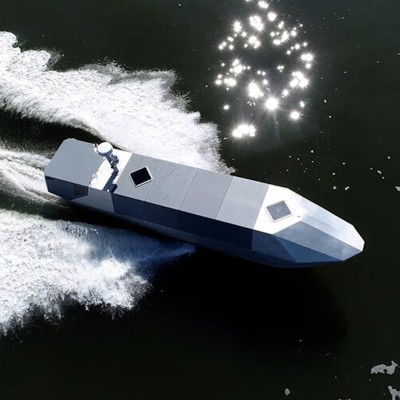
ウクライナの成功は教訓であって、設計図ではない
米海軍はウクライナによる海上ドローンの運用を強い関心を持って分析しているが、上級司令官たちは明確な点も示している。黒海でうまくいったことが、そのまま太平洋に通用するわけではない。海軍連盟のSea-Air-Space会議で、ダグ・サッセ少将は、ウクライナがロシア黒海艦隊の大部分を沈めたことを、陸・海・空にまたがる新しいロボット戦争の代表例だと述べた。同時に、米国はこのモデルを別の戦域に単純にコピーすることはできないとも主張した。
理由は、技術だけでなく地理にもある。ウクライナは、比較的短い攻撃距離と、発進活動を隠しやすい地形条件のある限定された水域で海上ドローンを使ってきた。それは太平洋とは大きく異なる。太平洋では、無人艇は広大な距離を横断しなければならず、その航行中ずっと観測にさらされる可能性がある。
この違いは重要だ。軍事革新を単純化して解釈する見方に歯止めをかけるからだ。ある戦域での成功が、別の戦域のドクトリンを自動的に生み出すわけではない。システム、戦術、指揮構造は運用環境に一致していなければならない。
太平洋は黒海ではない
サッセの比較はかなり率直だ。黒海では、軍はドローンをすぐに発進させられ、目標に到達させるために遠くへ送る必要がないと彼は述べた。太平洋には、隠れる木がない。無人艇は接近の大半を海面上で見える状態のまま進み、場合によっては航程の全体を通じて監視されるかもしれない。
それにより、作戦上の問題は根本的に変わる。太平洋で長距離の無人水上艇が対処すべきなのは、監視、航続、通信、生存性であり、それらはより限定された海域の戦闘空間では相対的に重要度が下がる。比較的近距離の非対称攻撃を想定した戦術は、感知と露出が戦略変数になる広大な海にそのまま拡張できるとは限らない。
そのため、指揮統制は引き続き中心的だ。記事の核となる主張は、2030年までに太平洋に何千もの小型無人艇と多数の航空ドローンが存在するようになっても、意思決定は人間の営みであり続けるという点にある。海軍はロボットを増やしたいが、自律性を作戦判断の代替とはみなしていない。
それでも海軍は無人システムを急速に進めている
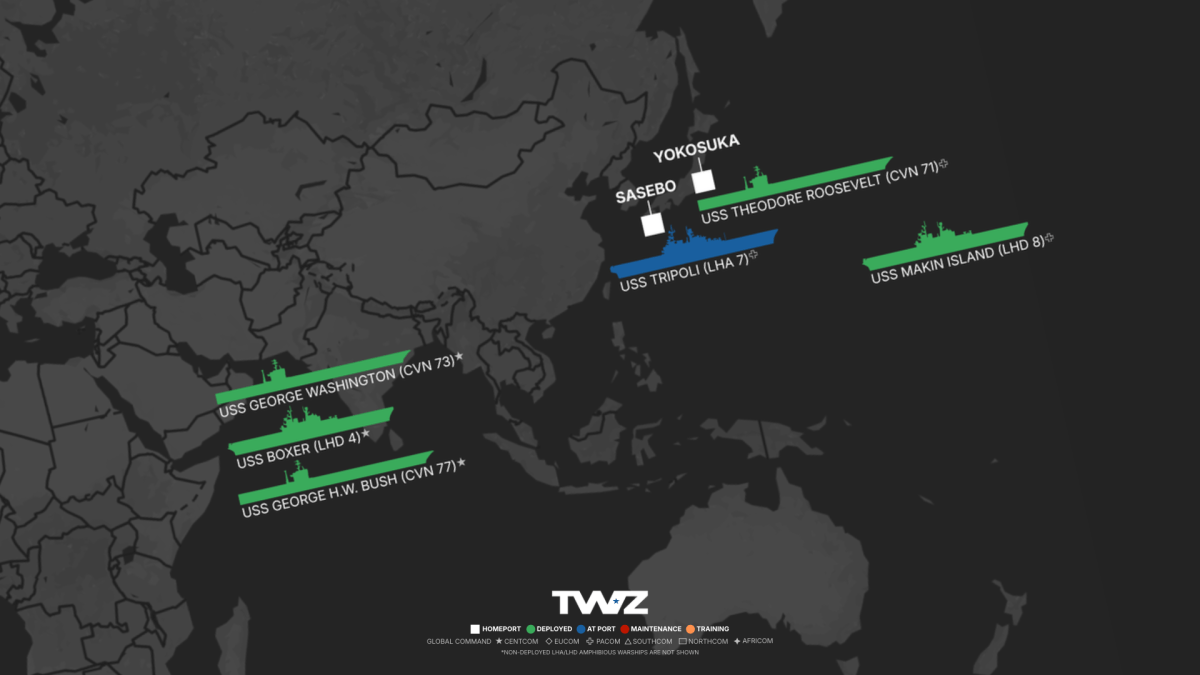
ウクライナのモデルをそのままコピーしないことは、海軍がゆっくり進んでいることを意味しない。海軍はすでに初のSea Hawkを取得しており、これは145トンの無人トリマランだ。関係者によれば、同艇は今年後半に太平洋でセオドア・ルーズベルト打撃群とともに展開する予定だ。これは重要な一歩であり、無人水上艇が実験段階から実際の艦隊統合へ移りつつあることを示している。
当局者はさらに、より大規模な増強計画も示した。ギャレット・ミラー大佐は、2030年までに太平洋だけで何千もの小型無人艇が加わり、さらに多数の航空ドローンも配備されると述べた。これらの数字は、ウクライナ戦争との安易な類推を退けつつも、海軍がロボティクスを海上戦力設計の中核と見ていることを示している。
したがって問題は、海軍が無人システムを信じているかどうかではない。明らかに信じている。問題は、それを異なる海域の物理的・戦略的現実に適合する形でどう展開するかだ。
紅海はもう一つの警告を示す
海軍が現在経験している紅海の状況も、この教訓を補強している。Operation Epic Furyでは、海軍部隊が一方向式シャヘド・ドローンを含む継続的な無人システム攻撃にさらされている。この環境は太平洋と同様、安価なドローンが大国の伝統的な優位の一部を侵食する一方で、人間の乗組員と人間の指揮が依然として重要であることを浮き彫りにしている。
言い換えれば、未来の海上戦場はロボットだけの領域にはならない。人間の乗組員、従来型の艦艇、そして増え続ける自律または半自律システムが、圧力下で協調して動かなければならない混成領域になっていく。海軍にとっての課題は、模倣ではなく統合だ。
海軍が本当に学んでいること
ウクライナからのより深い教訓は、海上ドローンを真似ることそのものよりも、低コストの無人システムが海戦をいかに急速に変えうるかを認識することにあるのかもしれない。ウクライナは、小規模な戦力でも創意工夫を凝らしたロボティクスによって、より大きな艦隊に大きなコストを強いることができると示した。米国はその教訓を吸収しつつ、実行の詳細が太平洋では劇的に異なることも認めているようだ。
それは軍事革新を考えるうえで、より成熟した姿勢だ。戦術をどう複製するかではなく、戦域、規模、可視性が変わっても生き残る原則は何かを海軍は問うている。答えは、ロボットは非常に重要になるが、それはなお人間の判断に支配される指揮構造の内部に限る、ということのようだ。
太平洋はいずれロボット船で埋まるかもしれない。海軍の指導者自身がそう言っている。だが、誰か他人の戦術書を借りれば海上戦を単純に自動化できるとは、彼らは言っていない。
この記事は Defense One の報道に基づいています。元記事を読む。
Originally published on defenseone.com