SOUTHCOM は自律性を地域司令部の機能として制度化している
米南方軍は、自律性と無人作戦に特化した新たな要素を立ち上げつつあり、これは自律システムを有用なツールの集合から、より統合された司令部機能へと転換しようとする米軍の取り組みにおけるもう一つの段階を示している。Autonomous Warfare Command と呼ばれるこの新組織は、自律型、半自律型、無人プラットフォームを用いて、戦術任務をより長期的な作戦成果へ結びつけるために設けられる。
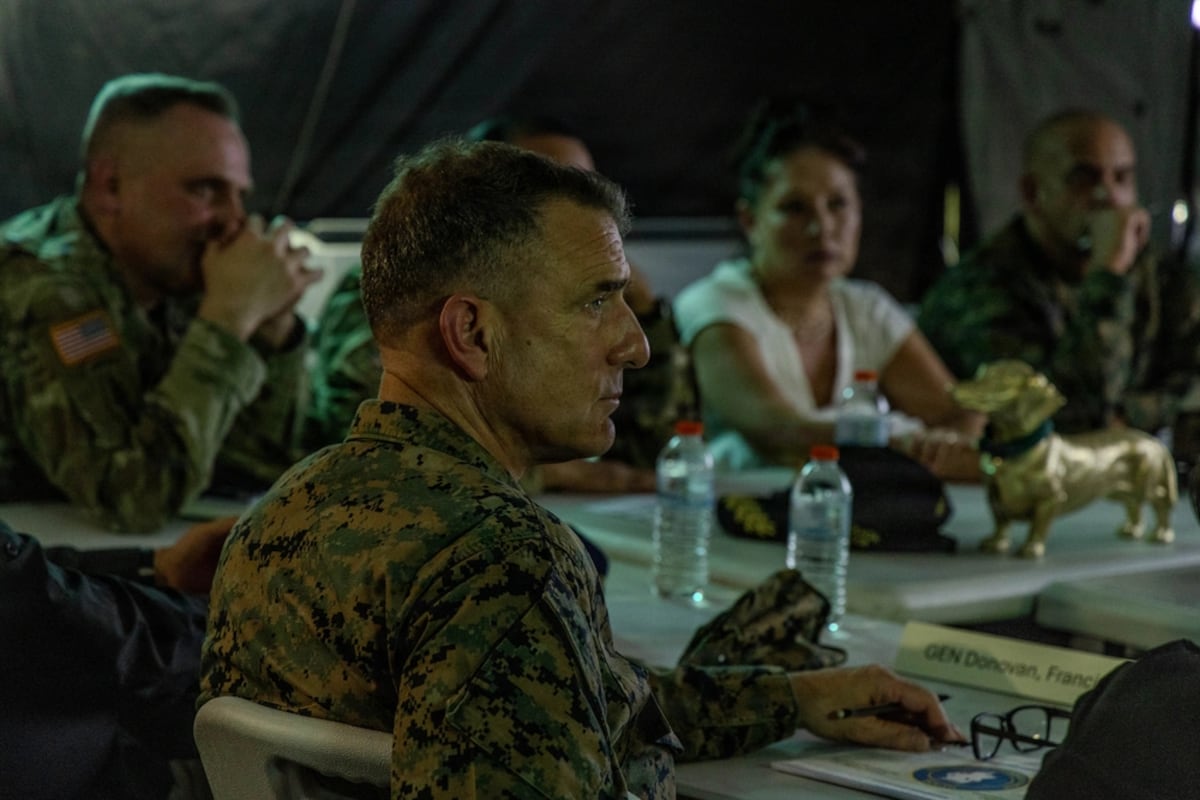
司令部の発表によると、この取り組みは SOUTHCOM 司令官のフランシス・L・ドノバン陸軍大将の指示によるものだ。完全に運用されるようになれば、新司令部は各領域にわたる脅威に対抗するため、自律システムと無人システムを用いる任務を担うことになる。声明では、組織がいつ完全な運用状態に達するかは示されなかったが、SOUTHCOM が自律性を責任地域における将来の作戦の中核と見ていることは明確だった。
地域任務の構成が設計を左右している
SOUTHCOM の担当範囲はカリブ海、中米、南米であり、多様な地形、分散した海上進入路、広く分布するパートナー、そして幅広い任務によって特徴づけられる地域だ。ドノバンは、こうした条件がこの地域を革新の自然な場にしていると述べた。司令部はまた、地域パートナーが協力に前向きで、新技術に受容的であることも強調した。
新部隊の任務表現は、SOUTHCOM が自律性を狭いドローンプログラムではなく、領域横断的な運用モデルとして捉えていることを示している。ドノバンの声明では、「海底から宇宙へ、そしてサイバー領域にまたがる」活動が言及されており、司令部の野心が空中システムだけに限られないことがうかがえる。重点は、より広い米国防衛エコシステムとパートナー協力を活用して、地域安全保障への脅威を上回ることにある。
これは重要だ。というのも、SOUTHCOM の任務像は、欧州やインド太平洋で大国間対立に焦点を当てる司令部とは異なるからだ。この地域では、自律性は、持続的監視、海上監視、パートナー支援、対ネットワーク作戦、そして地理的に分散した地域での災害対応において特に有用となり得る。
対カルテルと災害任務が明確な優先事項
今回の発表は、将来の司令部を具体的な任務分野と結びつけた。そこには、同盟国やパートナーと連携して narcoterrorist やカルテルのネットワークを弱体化させる取り組みや、国家災害への対応が含まれている。これは、SOUTHCOM がこの新能力をどう使うつもりかを示す重要な手がかりだ。自律戦を抽象的な近代化目標として示すのではなく、すでに同司令部の任務の中核にあるミッションと結びつけている。
この枠組みは、部隊の実用性を広げる。自律型・半自律型システムは、人道支援や災害シナリオにおいて、監視、補給、通信、状況認識を支えることができ、対立的な環境でも同様だ。SOUTHCOM の公的な言葉遣いは、半球内の安全保障と緊急対応の双方に対応できる柔軟な司令部構造を求めていることを示している。
長期的な成果への注目も注目に値する。司令部は単に無人システムの運用者としてではなく、戦術的活用と戦略的効果をつなぐ橋として描かれている。これは、SOUTHCOM が実験、調達、運用、地域パートナーシップの間で、より良い統合を求めていることを示唆している。
新部隊は米国の同地域への関与強化という大きな流れに合致する
Autonomous Warfare Command の創設は、半球における米国の能力強化の広がりと並行して進んでいる。原文によれば、米宇宙軍は 1 月に南部構成部隊を正式に稼働させ、Space Forces Southern が西半球全体の宇宙能力を支援する役割を確立した。
記事はまた、ベネズエラの指導者ニコラス・マドゥロを捕らえるための最近の高リスク作戦における US Space Command の役割にも触れている。この任務では、衛星通信や位置・航法・時刻などの宇宙能力が使われた。こうした文脈では、SOUTHCOM の自律性重視の新部隊は、孤立した実験というより、技術で সক্ষম化された地域作戦をさらに深めるための、より大きな取り組みの一層のように見える。
この傾向は、国防総省が何年もかけて向かってきた制度的教訓を反映している。新興軍事技術は、それを条令、パートナー作業、日常の計画へ吸収できる専用の構造を司令部が作るときに最も有効になる。試験的プロジェクトではなく新司令部の設置を発表することは、SOUTHCOM が自律性を単に試すのではなく、作戦化したいと考えていることを示している。
次に起こること
部隊が完全に立ち上がる前に、SOUTHCOM、各軍種、そして国防総省の Defense Autonomous Warfare Group が協力し、新組織を司令部の任務体系に完全統合するために必要な専門知識と能力を特定する。この準備段階は重要だ。自律性プログラムが直面する問題は、ハードウェア不足よりも、統合不足、すなわち曖昧な権限、不均一な訓練、分断されたデータシステム、不確かな運用概念にあることが多いからだ。
公開発表は、スケジュール、部隊構成、関与するシステムの正確な組み合わせなど、多くの詳細を未解決のまま残している。しかし方向性は明確だ。SOUTHCOM は、複数領域にまたがり、地域任務、パートナー関与、作戦優勢に明確に結びついた自律性のための組織的な拠点を構築している。
広大で多様な地理を担う司令部にとって、それこそが要点なのかもしれない。自律システムは、到達範囲、持続性、柔軟性を約束する。SOUTHCOM がそれらを中心に専用司令部を立ち上げることで、そうした利点が個々の任務の実行方法だけでなく、地域をどう管理するかを形作るほど重要になったと示している。
この記事は Defense News の報道に基づいています。元記事を読む。
Originally published on defensenews.com