Ukraine’s battlefield lessons are reshaping procurement
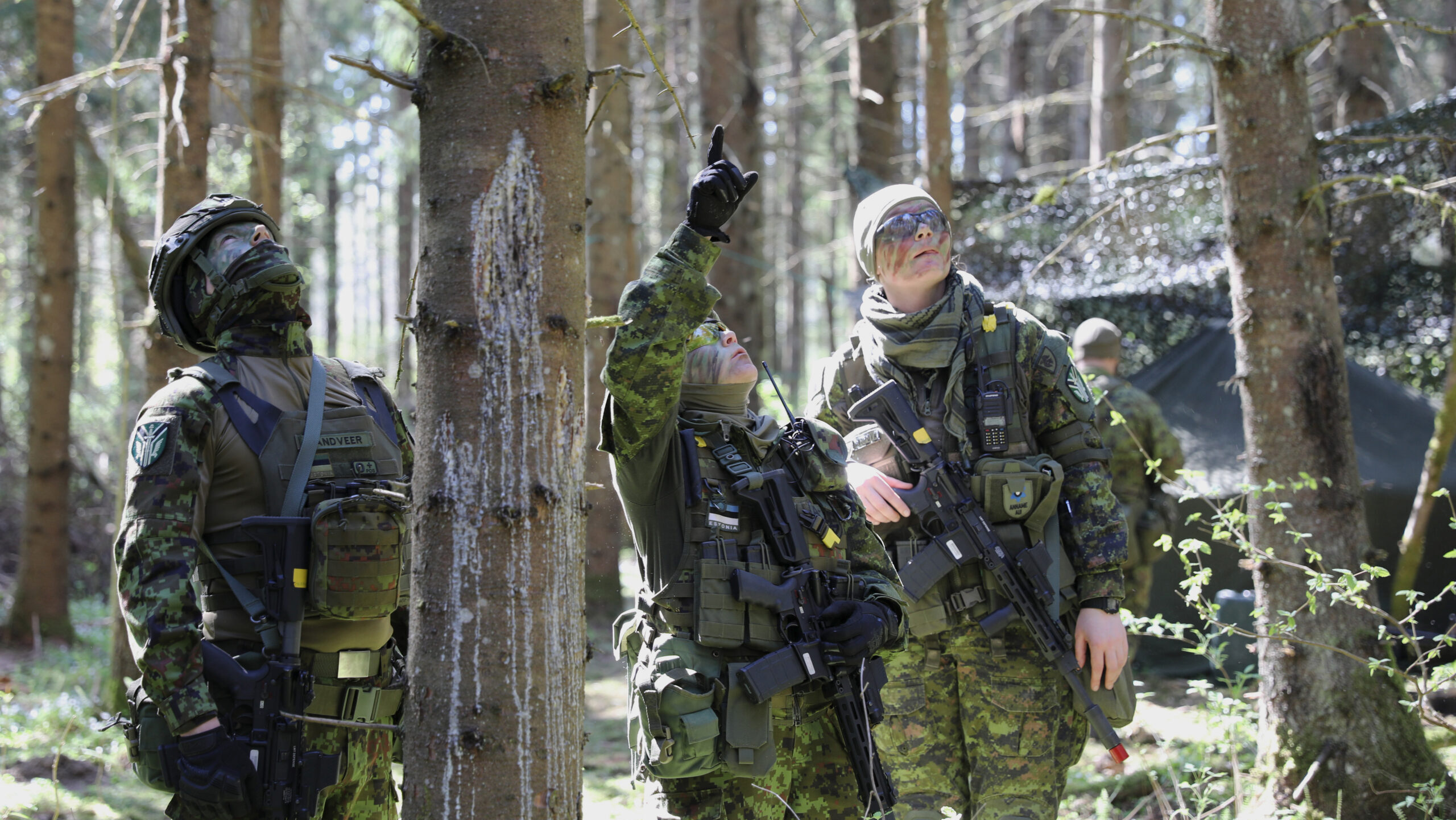
Estonia is preparing a notable shift in defense spending, moving away from a planned major infantry fighting vehicle purchase and toward drones, air defense, and unmanned systems. According to Breaking Defense, the government expects to suspend the roughly €500 million program that had been intended to replace its CV90 vehicles, while extending the service life of the current fleet by up to 10 years.
The logic offered by Estonian Defense Minister Hanno Pevkur is blunt. Heavy equipment is becoming more expensive, and, based on battlefield lessons from Ukraine, its utility is changing. Rather than commit to a full fleet replacement in the coming decade, Tallinn appears to be betting that survivability and combat effectiveness will increasingly depend on the ability to counter drones, field its own unmanned systems, and strengthen air defense.
This is more than a budget trim
At first glance, canceling or delaying armored vehicle procurement might look like a short-term fiscal measure. But the explanation in the source text points to a strategic reassessment, not just a savings exercise. Pevkur said the state needed to make the decision now in order to move forward with other necessary developments, and he indicated that new purchases in the chosen priority areas should still involve substantial funding, even if they are expected to cost less than a complete armored overhaul.
That distinction matters. Estonia is not stepping back from defense modernization. It is reallocating within modernization. The shift reflects a wider debate running through NATO and allied militaries: how much future battlefield advantage still comes from classic armored mass, and how much comes from sensors, drones, networked defenses, and the ability to survive in an environment saturated by cheap precision threats.
A smaller state is making a sharp call
Because Estonia sits on NATO’s northeastern flank, its procurement choices are watched closely. The country has direct reason to pay attention to the war in Ukraine and to adapt early if that war is rewriting assumptions about what kinds of platforms are most exposed. Pevkur’s comments suggest Estonia believes replacing the CV90 fleet now would be less urgent than preparing for drone-heavy, transparency-heavy combat environments where air defense and unmanned capability may deliver more value per euro.
The decision will be finalized as part of the spring review of the country’s four-year defense budget, which already allocated €10 billion for 2026 through 2029 to strengthen national defense capabilities. In that context, the vehicle decision looks less like retrenchment and more like reprioritization within a significant spending framework.
Why this procurement shift stands out
- It reflects explicit lessons drawn from the war in Ukraine.
- It challenges assumptions about the long-term value of heavier armored replacements.
- It prioritizes drones, counter-drone defenses, and air defense over legacy platform renewal.
- It signals how smaller frontline NATO states may adapt faster than larger bureaucracies.
The wider significance lies in what this says about military economics. Modern war is exposing a harsh mismatch between expensive traditional platforms and relatively cheap systems that can spot, target, or destroy them. If a country can extend the life of existing armored vehicles while spending the difference on defenses against drones and on its own unmanned systems, the trade may become increasingly attractive.
That does not mean infantry fighting vehicles are obsolete. Estonia is not scrapping its CV90s; it is keeping them in service longer. But it is making a clear statement that new money should flow first toward the technologies and defenses most immediately reshaping battlefield survivability.
For European defense planning, that is the real development. Procurement is no longer only about replacing aging fleets on schedule. It is about deciding which capabilities still dominate and which now need to be subordinated to the demands of a faster, cheaper, more drone-saturated war. Estonia appears to have made that choice earlier than many.
This article is based on reporting by Breaking Defense. Read the original article.
Originally published on breakingdefense.com