大規模な太陽光発電+蓄電建設に向けた資金調達の青写真が見え始めている
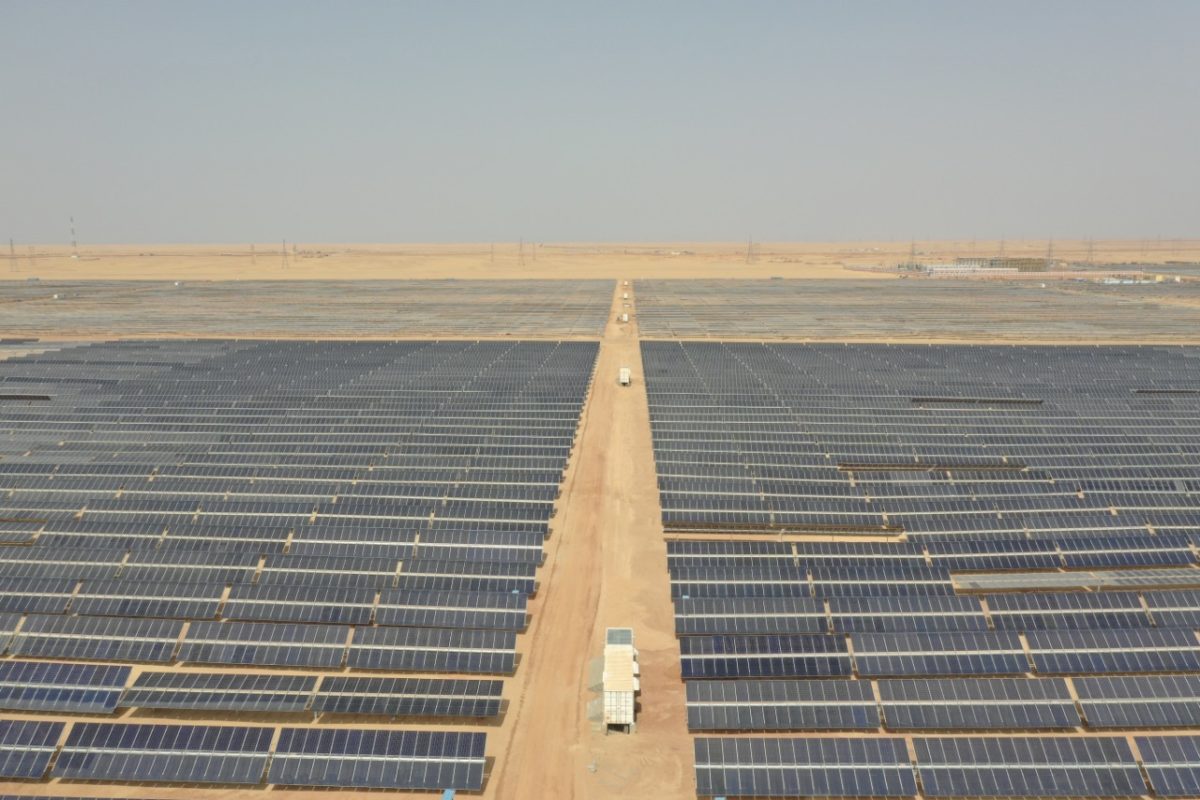
ノルウェーの開発会社Scatecは、エジプトで1.1ギガワットのObelisk太陽光発電および蓄電池エネルギー貯蔵システム・プロジェクトの第1フェーズを商業運転開始し、これは大規模インフラの重要な節目であるだけでなく、大規模クリーン電力における注目すべき資金調達実験でもある。提示された原文によると、このプロジェクトは、開発金融機関からの4億7,910万ドルの債務、段階的なエクイティ参加、そして卸電力市場の変動にさらされるのではなく完全契約型の蓄電収益構造を組み合わせている。
この金融構造が重要なのは、ユーティリティ規模の太陽光発電+蓄電の経済性が、ハードウェア費用と同じくらい融資可能性に左右されるからだ。開発者は技術的には大規模プロジェクトを建設できても、許容できる条件で資金を調達することは、新興市場における決定的な制約の一つであり続けている。Obeliskは、多国間債務、戦略的エクイティ、契約済み収益をどう組み合わせれば、リスクを下げて資本を呼び込めるかを示す具体例だ。
プロジェクトは上エジプトのNagaa Hammadiに位置し、総事業費は5億9,000万ドルとされている。原文によれば、その総額の80%以上がノンリコース債務で、欧州復興開発銀行、アフリカ開発銀行、British International Investmentが提供している。
この資本構成が際立つ理由
クリーンエネルギー融資は、貸し手がプロジェクトのライフサイクルを通じて債務返済に十分な安定収益があると判断するかどうかに大きく左右される。太陽光発電は多くの場合、電力購入契約で支えられるが、蓄電部分は追加的な複雑さをもたらす。多くの市場では、電池はマーケット・アービトラージ、補助サービス収益、あるいは時間とともに変化しうる政策制度に依存する。
Obeliskが注目されるのは、蓄電収益が完全契約型で、マーケット露出がないとされている点だ。つまり、プロジェクトは電池投資を正当化するために、不確実な将来の市場スプレッドやスポット価格の変動に依存していない。代わりに、蓄電の経済性はより予測しやすい収益プロファイルに組み込まれている。
こうした確実性は、貸し手の資産評価を実質的に変えうる。市場変動への露出を減らすことで、完全契約型の構造は資金調達コストを下げ、参加を検討する機関の裾野を広げる可能性がある。通貨、政策、インフラのリスクがすでに高い新興市場では、これは特に重要だ。

開発金融機関の役割
この債務パッケージは、EBRD、AfDB、BIIという3つの主要な開発金融ソースから成る。彼らの参加が重要なのは規模だけではなく、純粋な商業貸し手がより慎重になりがちな市場で、開発金融機関が触媒的な役割を果たすことが多いからだ。
DFIはより長い返済期間を提供し、民間貸し手が避ける特定のリスクを受け入れ、国家のエネルギー・開発優先事項を前進させるプロジェクトへの信頼醸成を助けることができる。実務上、その関与は追加投資を呼び込み、将来のプロジェクトが再利用できるひな型を生み出す。
Obeliskでは、債務が総プロジェクト費用の80%以上を占め、ノンリコースであると報じられている。つまり、返済はスポンサーの広範なバランスシートではなく、プロジェクト収益に結びついている。この構造はインフラ金融では一般的だが、貸し手がその資産の契約済みキャッシュフローを長期的に信頼できると見なす場合にのみ機能する。
段階的エクイティと戦略的パートナーシップ
債務の下には、複数当事者によるエクイティの組成がある。ノルウェーのClimate Investment Fundを通じてNorfundがObelisk持株会社の25%を保有し、Scatecが75%を保持する。原文によれば、EDF Power Solutionsはその下位の事業会社で20%を保有しており、同社でもScatecが残りの持分を保有している。
この段階的な構造は、リスクと戦略的関心の両方を分散する。気候志向の資本を呼び込み、スポンサーの支配権を維持し、事業会社レベルで実績あるエネルギーパートナーを加える。大規模インフラ案件では、このような構造が開発ノウハウ、運営能力、政策志向の投資を整合させ、実行への信頼を高める。
また、エネルギー金融が進化していることも反映している。大規模クリーン電力資産は、単一スポンサーの所有ではなくコンソーシアムによって組成されることが増えている。特に、蓄電を含む案件、新興市場で稼働する案件、優遇資本やブレンデッド・キャピタルを求める案件では顕著だ。
この物語でエジプトが重要な理由
エジプトは、電力需要の増加、優れた資源条件、クリーン電力と産業開発に関する地域的な野心が交差する地点にあるため、ユーティリティ規模の再エネ導入で注目すべき市場になっている。したがって、この規模の太陽光発電+蓄電プロジェクトは、単なる一回限りの投資以上の意味を持つ。複雑なクリーンエネルギー・インフラが、規律ある再現可能な構造で資金調達できることの証明となりうる。
アフリカや中東の他市場にとって、重要な教訓は個々のスポンサーよりも設計原則にあるかもしれない。高い債務比率、開発金融の支援、契約済み蓄電収益、段階的エクイティは、本来ならリスクが高すぎるように見えるプロジェクトにも融資可能な道筋を作りうる。
プロジェクト・ファイナンスから市場シグナルへ
Obeliskプロジェクトが重要なのは、業界の志を資金調達のケーススタディへと変えるからだ。太陽光発電+蓄電をめぐる議論は、しばしば電池価格の低下や系統柔軟性の利点に焦点を当てる。これらは確かに現実だ。しかし、資本提供者がリスク調整後リターンを信頼できると考えて初めて、プロジェクトは実現する。
原資料は強い結論を支持している。Obeliskの第1フェーズは稼働しており、その資金調達モデルは多国間債務、戦略的エクイティ、そして完全契約型の電池収益ストリームを組み合わせている。この組み合わせはマーケット収益の不確実性を減らし、新興市場で大規模クリーンエネルギー資産を拡大するための実践的な道筋を示している。
この構造が意図した通りに機能すれば、その影響はエジプトを越えて広がる可能性がある。成長市場におけるエネルギー転換で最も難しい部分の一つ、すなわち太陽光発電+蓄電の建設だけでなく、それを必要な規模でどう資金調達するかが、より解決可能になりつつあることを示すだろう。
この記事はPV Magazineの報道に基づいています。元記事を読む。
Originally published on pv-magazine.com