Croatia tenders a utility-scale solar and storage project
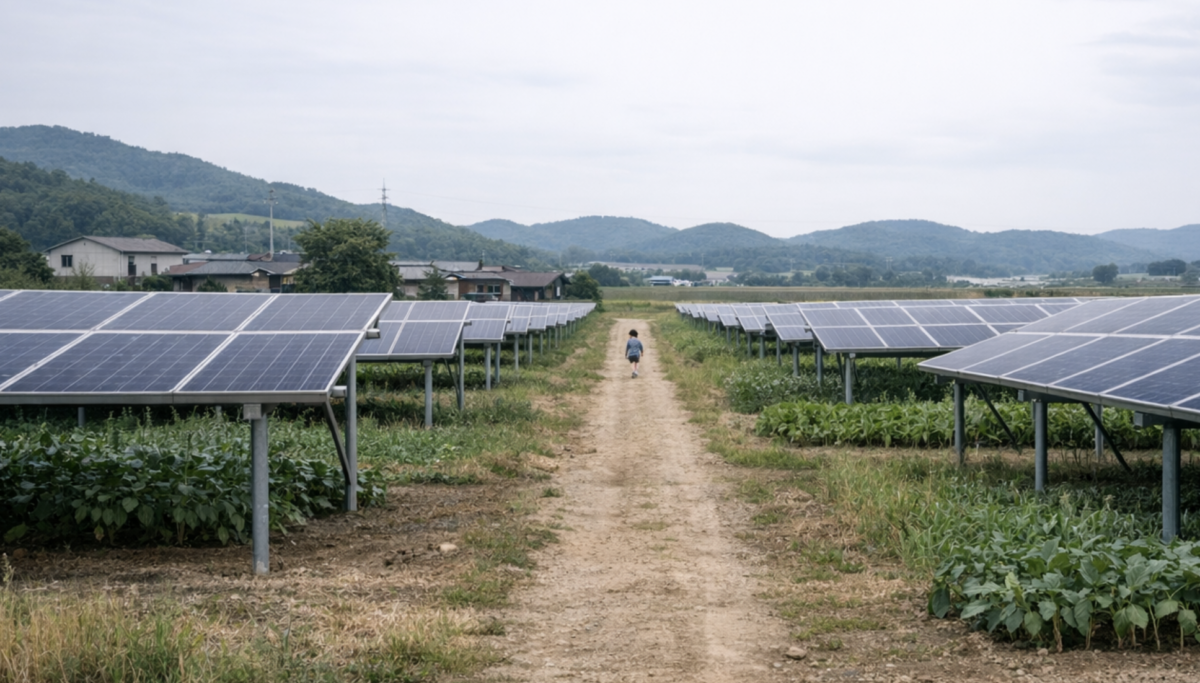
Croatia’s state-owned electricity company Hrvatska Elektroprivreda, or HEP, has opened a tender process for a 56 MW solar project that could be paired with as much as 200 MWh of battery energy storage. According to the supplied report, the project is planned for the municipality of Sukošan in Zadar county and is being run through an open, two-stage procurement process.
The initial deadline for bidders to submit pre-qualification proposals is May 12. For developers and energy investors, the project is notable because it combines a sizable solar installation with the option for substantial storage, a pairing that is increasingly important as European grids absorb more variable renewable generation.
What the selected developer would build
The scope described in the supplied source goes well beyond placing solar modules on a prepared site. The selected developer would be responsible for site preparation and leveling, building an access road and internal road network, installing the plant’s electrical infrastructure, and delivering a new 100/33 kV substation connected to the existing 110 kV network.
That detail matters because it shows the project is being treated as full infrastructure rather than a simple generation asset. The storage component also suggests HEP is looking for more than low-cost daytime electricity. Batteries can help smooth output, shift some energy into higher-value periods, and support grid stability. In systems with rising solar penetration, those functions become increasingly valuable.
The battery system could reach up to 200 MWh, making it a significant addition relative to the solar plant’s nameplate capacity. While the supplied source does not describe the operating strategy, storage at that scale can materially change how a solar project interacts with both the grid and wholesale market conditions.

Why this kind of project is gaining traction
Solar-plus-storage procurement has become a clearer feature of power-sector planning because standalone generation is no longer the only metric that matters. As renewable capacity rises, policymakers and utilities also need flexibility, dispatchability, and local system support. Pairing batteries with solar addresses some of those concerns without requiring a separate fuel supply.
The Croatian tender fits that pattern. HEP’s approach indicates that storage is being considered at the design stage rather than added as an afterthought. That reduces integration complexity and can improve project economics if the solar plant and battery are optimized together.
It also reflects a broader shift in European electricity development. Rather than treating renewable energy targets and system balancing as separate agendas, developers are increasingly packaging generation and flexibility into one project. A procurement like this is one of the practical ways that transition appears on the ground.
Signal value for Croatia’s power system
Even without wider context beyond the supplied source, the project sends a clear domestic signal. A state-backed utility is seeking a developer for a large hybrid project, and that kind of tender can help establish local delivery capability in engineering, grid connection, construction, and battery integration.
If completed, the project would add utility-scale renewable generation and create a more flexible power asset in western Croatia. It may also help clarify how future storage-backed renewables will be procured in the country. Early projects often matter not only for their direct output, but because they establish templates for contracting, interconnection, and risk allocation.
The Sukošan site, in Zadar county, also points to the role geography plays in renewable development. Project viability depends not only on solar resource quality but also on land preparation, transmission access, and the feasibility of adding new substation infrastructure. The tender’s detailed civil and electrical scope suggests those practical requirements are already central to the planning process.
Why batteries change the value proposition
Adding up to 200 MWh of storage substantially broadens what the project can do. A solar plant without storage mainly delivers power when the sun is available. A paired battery can absorb excess generation, reduce curtailment pressure, and support delivery outside immediate production hours. That can improve both system usefulness and project bankability, depending on market design.
The supplied report does not present projected revenues or operating duration, so it would be wrong to overstate the commercial case. But the storage size alone shows that HEP is targeting a hybrid asset with operational significance. It is large enough to suggest serious intent around flexibility rather than a token battery addition.
That matters for planners because the next phase of renewable buildout is increasingly shaped by questions of timing and control, not just annual generation totals. In that environment, hybrid plants can serve as a bridge between simple intermittent resources and more actively managed grid assets.
A procurement worth watching
The Croatian tender is not a scientific breakthrough or a headline-grabbing launch, but it is exactly the kind of infrastructure move that signals where energy systems are heading. Utilities are increasingly asking for renewable capacity and storage in the same package. The projects may look incremental one by one, but together they reshape the operational profile of the grid.
HEP’s two-stage process will now test market appetite and delivery capability. Developers must demonstrate that they can manage site preparation, electrical works, road access, substation construction, and the integration of both solar and battery assets into the existing network.
If the process produces a strong field of bidders and moves toward execution, the project could become an instructive example of how southeastern European utilities procure next-generation renewable infrastructure. The key development is not just 56 MW of solar. It is the decision to couple that generation with up to 200 MWh of storage from the outset, reflecting an electricity sector that increasingly values flexibility as much as clean generation itself.
This article is based on reporting by PV Magazine. Read the original article.
Originally published on pv-magazine.com