Britain Moves Toward a Broad Youth Access Ban
The United Kingdom is preparing one of the world’s most restrictive youth social media policies, announcing that children under 16 will be banned from social media platforms. According to the supplied source text, the plan follows Australia’s earlier model but goes further by also targeting some features tied to gaming, live-streaming and chatting with strangers.
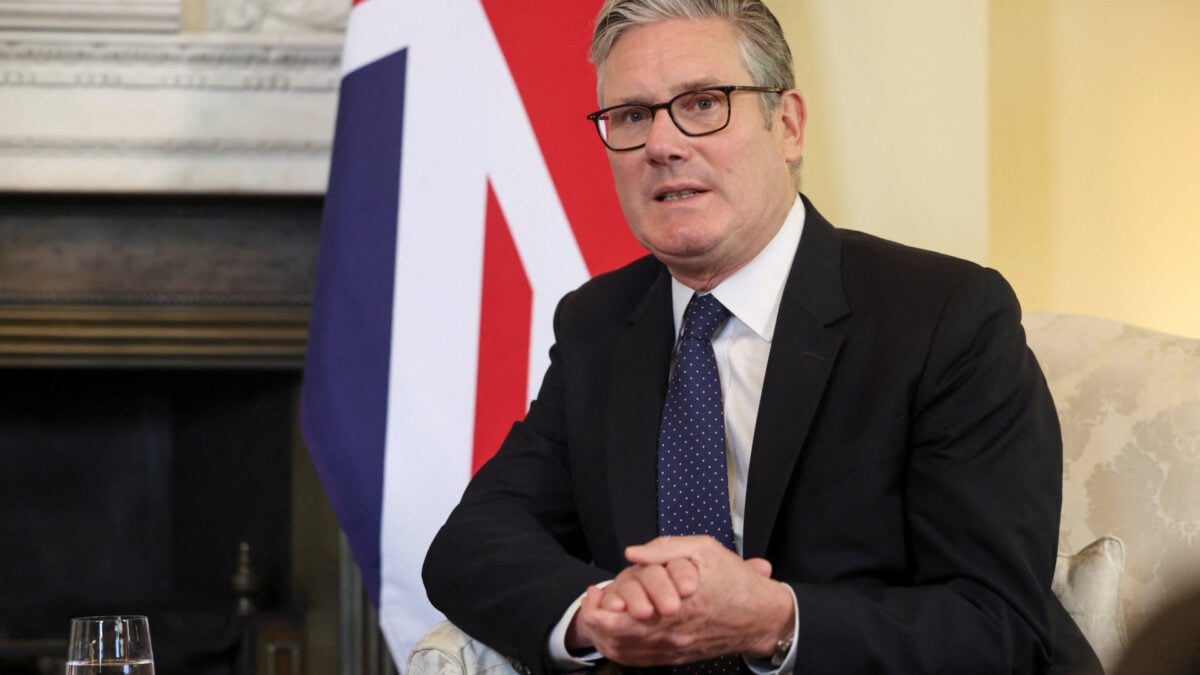
The policy was announced by Prime Minister Keir Starmer’s government and is expected to begin with regulations introduced before the end of the year, followed by enforcement in spring 2027. The government says the goal is to reduce harm, improve wellbeing and give young people more time for what it describes as a healthier childhood.
More Restrictive Than Australia
Australia’s 2025 law became the first major national ban of its kind, blocking users under 16 from holding accounts on platforms including TikTok, Facebook, Instagram, Threads, X, Snapchat, YouTube, Reddit and Twitch, while excluding messaging services such as WhatsApp and Signal as well as AI chatbots. Britain’s approach is described as more far-reaching.
Under the UK plan, the measures would include the elements used in Australia while extending restrictions into adjacent digital spaces. The source text says the government will also require AI romantic companion chatbots to bar users under 18 and is considering additional ideas such as overnight digital curfews and breaks in infinite scrolling for users under 18. More details are expected in July.
A Response to Mental Health Concerns
The stated rationale is grounded in concerns that heavy social media use among minors is linked to negative mental and physical health outcomes, including depression, anxiety and poor sleep. The source text also notes that, outside direct national regulation in the United States, lawsuits have increasingly sought to hold major platforms accountable for addictive design features that affect children.

Support within Britain appears politically strong. The government said a national consultation found that nine in 10 parents backed a social media ban for under-16s, and that roughly two-thirds of young people agreed minors should not be allowed on some social media platforms. If those figures hold up under scrutiny, the proposal gives policymakers a notable alignment between parental sentiment and at least some youth opinion.
The Hard Part Is Enforcement
The biggest unanswered question is how age verification will work in practice. The government has not yet specified the technical mechanism, which will be central to whether the law proves enforceable, invasive or both. The source text says adults with social media accounts that have been open for more than 16 years, that have a credit card connected or that are linked to an email address already age-verified in other ways would not need to provide extra proof.
That carveout hints at the complexity of building a system that blocks younger users without forcing broad re-verification across the adult population. But it also raises familiar concerns about edge cases, circumvention and the extent to which platform identity systems can reliably distinguish age without collecting more sensitive data.
A Global Policy Test
Britain’s move matters well beyond its own market. Governments across the world have been searching for stronger ways to regulate the relationship between teenagers and algorithm-driven platforms, but the evidence base and enforcement tools remain contested. A national ban on this scale will function as a real-world policy test of whether tighter access rules can measurably improve youth wellbeing without simply pushing young users into workarounds or adjacent services.
What is already clear is that the direction of travel has changed. Instead of focusing only on content moderation and parental controls, policymakers are increasingly willing to ask whether some age groups should be excluded from major platforms altogether. If the UK follows through, the debate over children and social media will move from incremental design changes to a far more fundamental question: who should be allowed into these systems in the first place.
This article is based on reporting by Gizmodo. Read the original article.
Originally published on gizmodo.com