A small EV with a deliberately familiar face
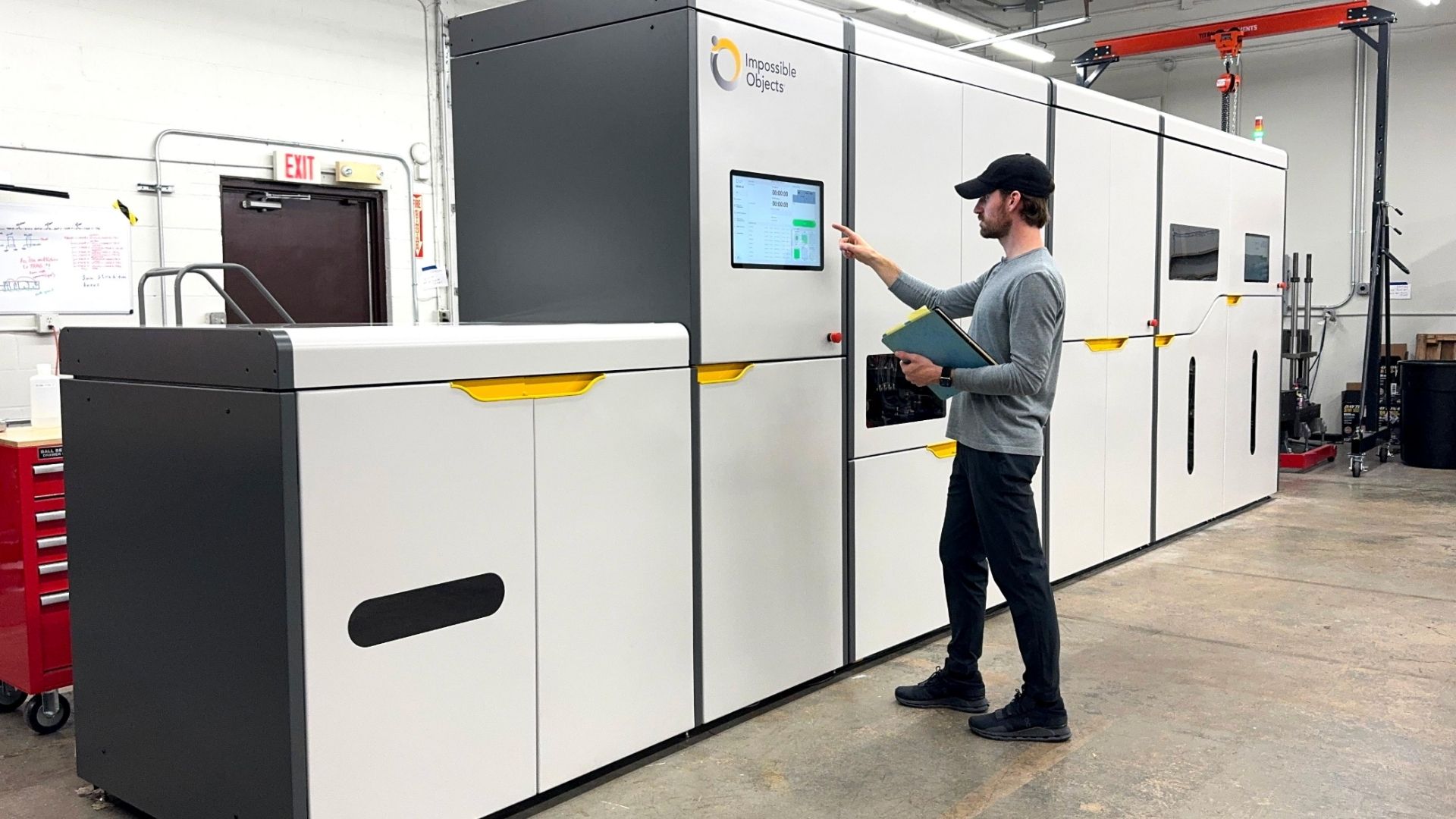
Volkswagen’s new ID.Polo is notable for what it is not trying to be. It is not dressed up as a radical concept car, and it does not lean into the abstract styling language that has shaped some earlier electric models. Instead, the company has chosen a more familiar route: an electric hatchback that looks recognizably like a Volkswagen and restores physical controls to the cabin.
That may sound modest, but it reflects a meaningful shift in automotive design priorities. For years, the industry treated larger touchscreens and increasingly digital interfaces as signs of progress. The ID.Polo moves in a different direction. According to the launch details, Volkswagen has brought back tactile buttons for key functions, including heater and hazard controls, while also softening the styling away from the more futuristic look associated with the ID.3.
The result is a car pitched less as a rolling statement about the future than as a practical electric successor to one of Europe’s best-known small-car nameplates. In an EV market that is beginning to mature, that may be exactly the point.
Familiar design as product strategy
The ID.Polo is the first in Volkswagen’s new EV range to revive a generic name from the company’s internal combustion lineup. That branding decision matters. It suggests the company wants electric models to feel like part of the normal car-buying landscape rather than a separate, stylistically experimental category.
The exterior follows the same logic. The car keeps a friendly, conventional hatchback profile, with a design that reportedly echoes older Volkswagen cues more than recent EV futurism. That approach should make the model easier to place in the market: a compact, front-drive, five-door hatchback intended for buyers who want electric propulsion without a design lecture attached.
There is also a timing advantage. Consumers across multiple industries have shown signs of fatigue with interfaces that remove too much tactile feedback. In cars, that frustration can be more acute because drivers interact with controls in motion and often rely on muscle memory. Physical buttons are not nostalgia alone; they are part of usability.
What Volkswagen is offering
Volkswagen says the ID.Polo will arrive with three motor and battery configurations. The 85 kW and 99 kW versions are paired with a 37 kWh battery, while a 155 kW version gets a 52 kWh battery. A GTI variant is planned from 2027 with 166 kW and the same 52 kWh battery.
Charging capability varies by pack size. The 37 kWh models support 90 kW DC charging, while the 52 kWh version reaches 105 kW. Top speed for the current variants is listed at 160 km/h. Maximum range depends on configuration, with the highest figure reaching 454 kilometers on the WLTP cycle.
Dimensionally, the car is 4,053 millimeters long, 1,816 millimeters wide, and 1,530 millimeters high, with a 2,600 millimeter wheelbase. Volkswagen says the car is slightly taller but shorter than the gasoline Polo, yet offers a larger trunk, even exceeding the cargo space of a Golf. That matters because practicality remains one of the strongest selling points in the compact hatchback segment.
Buttons are not a minor detail
The most talked-about feature may turn out to be the simplest one: buttons. For all the industry’s effort to center the display as the primary interface, many drivers still want direct control over core functions. By restoring physical inputs on the dashboard, Volkswagen is acknowledging that the path to a better EV interior may involve less abstraction rather than more.
This is not a rejection of digital systems entirely. The ID.Polo still includes a central screen and a modern steering layout. But the design balance has changed. Instead of treating every interaction as something that must pass through software menus, Volkswagen is putting some functions back into a physical zone that drivers can reach and understand immediately.
That choice could resonate far beyond one model. If mainstream buyers reward the move, other manufacturers may feel more pressure to roll back some of the touchscreen-first logic that has dominated cabin design.

Positioning against a tougher small-EV market
Volkswagen is also entering a more competitive environment for compact electric cars, one where style, affordability, and brand familiarity all matter. The source article frames the ID.Polo as a response to the Renault 5, and that comparison captures the challenge clearly. Smaller EVs can no longer rely on novelty alone. They need personality, sensible pricing, and usability.
Volkswagen says pre-sales start at the end of April, with prices beginning at €24,995. That figure places the model in the area where mainstream small EV adoption becomes more plausible, especially if buyers believe they are getting a car that feels conventional in the right ways while still benefiting from electric packaging and efficiency.
The tension for Volkswagen is that “safe” design can read as reassuring or uninspired, depending on the audience. The company appears to be betting that enough buyers now prefer familiarity over experimentation that the trade is worthwhile.
The bigger meaning of the ID.Polo
The ID.Polo points to a broader shift in the EV market from spectacle to normalization. Early electric models often tried to announce themselves through unusual styling, unusual interfaces, or both. This car takes the opposite route. It tries to make electric driving look ordinary, usable, and less ideologically loaded.
That may be one of the clearest signs yet that EV design is moving into a new phase. As the technology becomes less novel, manufacturers gain more freedom to compete on comfort, ergonomics, and identity rather than proving how futuristic they can appear.
If the ID.Polo succeeds, its legacy may not be dramatic styling or a breakthrough powertrain. It may simply be that Volkswagen recognized something basic: many buyers still want an electric car to feel like a car first. In today’s market, that is a stronger innovation than it sounds.
This article is based on reporting by New Atlas. Read the original article.
Originally published on newatlas.com