A performance venue built around robots
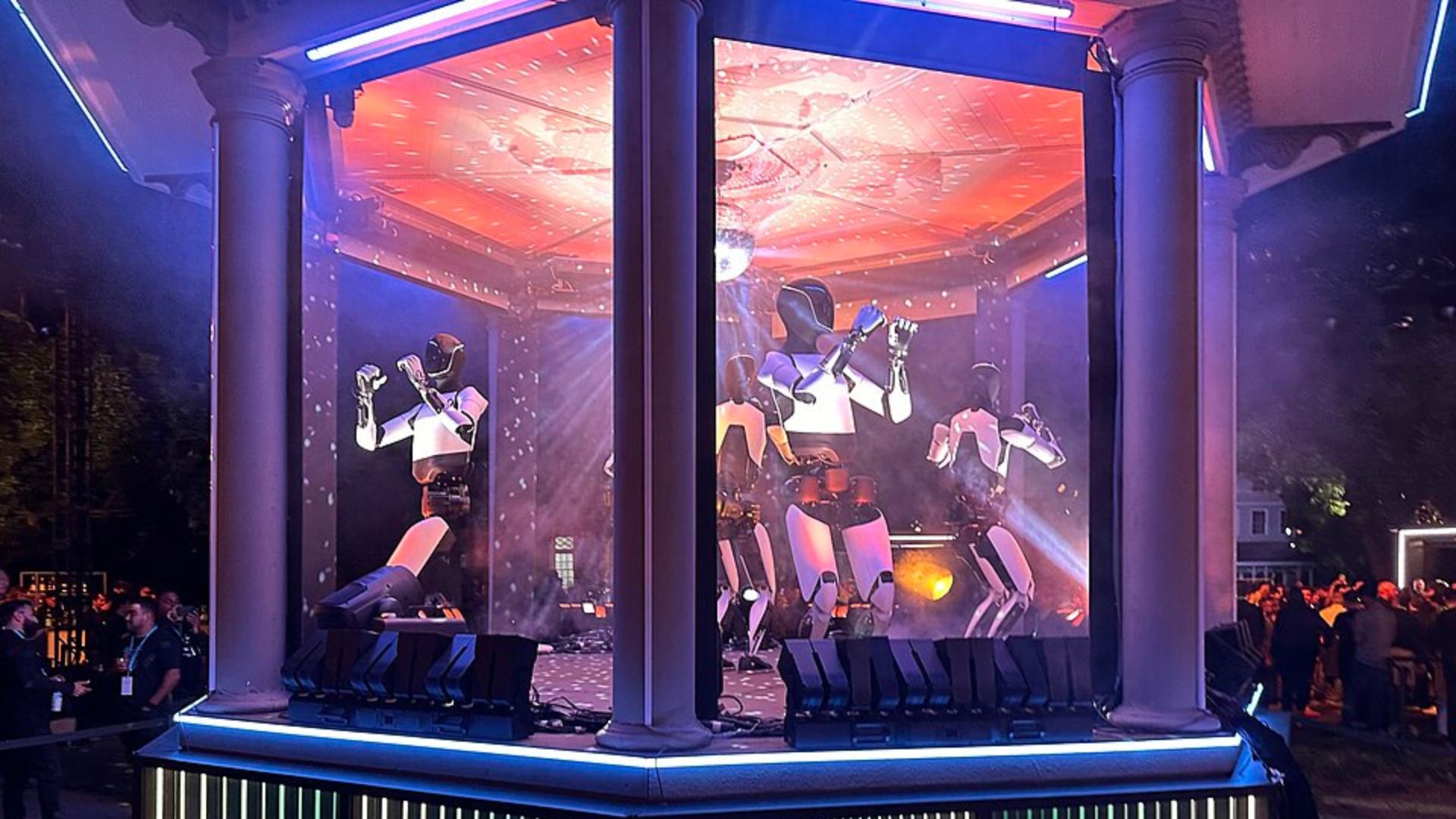
Interesting Engineering reports that Galaxy Corporation, described in the candidate metadata as an entertainment technology firm that manages major stars including G-Dragon, has opened what it calls a world-first robot theme park. The attraction is framed around humanoid K-pop dancers and a broader effort to use robotics as a live entertainment draw.
Even in a year crowded with AI and robotics launches, the concept stands out because it places humanoid machines in a setting built for audience appeal rather than factory work or lab demonstrations. The emphasis is not industrial productivity. It is spectacle, choreography, and cultural packaging.
Why this format matters
The core idea is simple but notable: robots are being presented as headliners in a public entertainment environment. That suggests a different commercialization path for humanoid systems, one that depends on audience curiosity, repeat attendance, and the value of novelty.
K-pop is a particularly strong frame for that experiment because it is built around precise movement, polished performance, and global fan culture. Humanoid robot dancers fit naturally into that visual language, making the venue less a random theme-park concept than a deliberate pairing of robotics with a performance genre known for synchronized choreography.

Entertainment as a robotics showcase
Public-facing robotics projects often struggle with a gap between engineering promise and mainstream relevance. A themed attraction narrows that gap by giving people a reason to engage with robots that is immediate and social. Visitors do not need to understand the underlying systems to respond to the performance, the staging, or the novelty of humanoid machines dancing in a pop-culture context.
That may be the deeper significance of the launch. Theme parks, concerts, and immersive attractions can act as test beds for how comfortable audiences are with robots in leisure settings. They can also function as a lower-stakes way to normalize interaction with advanced machines before those systems appear more widely in retail, hospitality, and public services.
A sign of convergence
The project also reflects a broader convergence between entertainment companies and advanced technology platforms. When a firm rooted in talent management and media packaging builds around robots, it suggests that AI and robotics are no longer confined to specialist sectors. They are being treated as programmable performers and branded assets.
That does not mean every such venture will succeed. Audience interest can be intense at launch and fade quickly if the experience does not evolve. But the fact that the concept is being attempted at all shows that robotics is moving further into consumer culture and not just workplace automation.
What to watch next
The immediate questions are practical. Can a robot-centered attraction sustain demand beyond its opening wave? Can humanoid performers deliver enough reliability and variation to remain compelling? And can an entertainment company translate technical novelty into a repeatable business model?
Those answers will determine whether the venue is remembered as a short-lived curiosity or as an early marker of a new kind of live attraction. For now, the launch is notable on its own terms: a robotics project designed not to optimize labor, but to win attention.
The candidate metadata supports a narrow but significant conclusion. Humanoid robots are being positioned as consumer entertainment products, and developers are increasingly willing to introduce them in highly visible cultural settings rather than behind the scenes.
This article is based on reporting by Interesting Engineering. Read the original article.
Originally published on interestingengineering.com